US strikes Iran after Hormuz ship attacks
Officials said the US hit Iranian targets Tuesday after attacks on three commercial ships near the Strait of Hormuz.
Mateo Fernandez ·
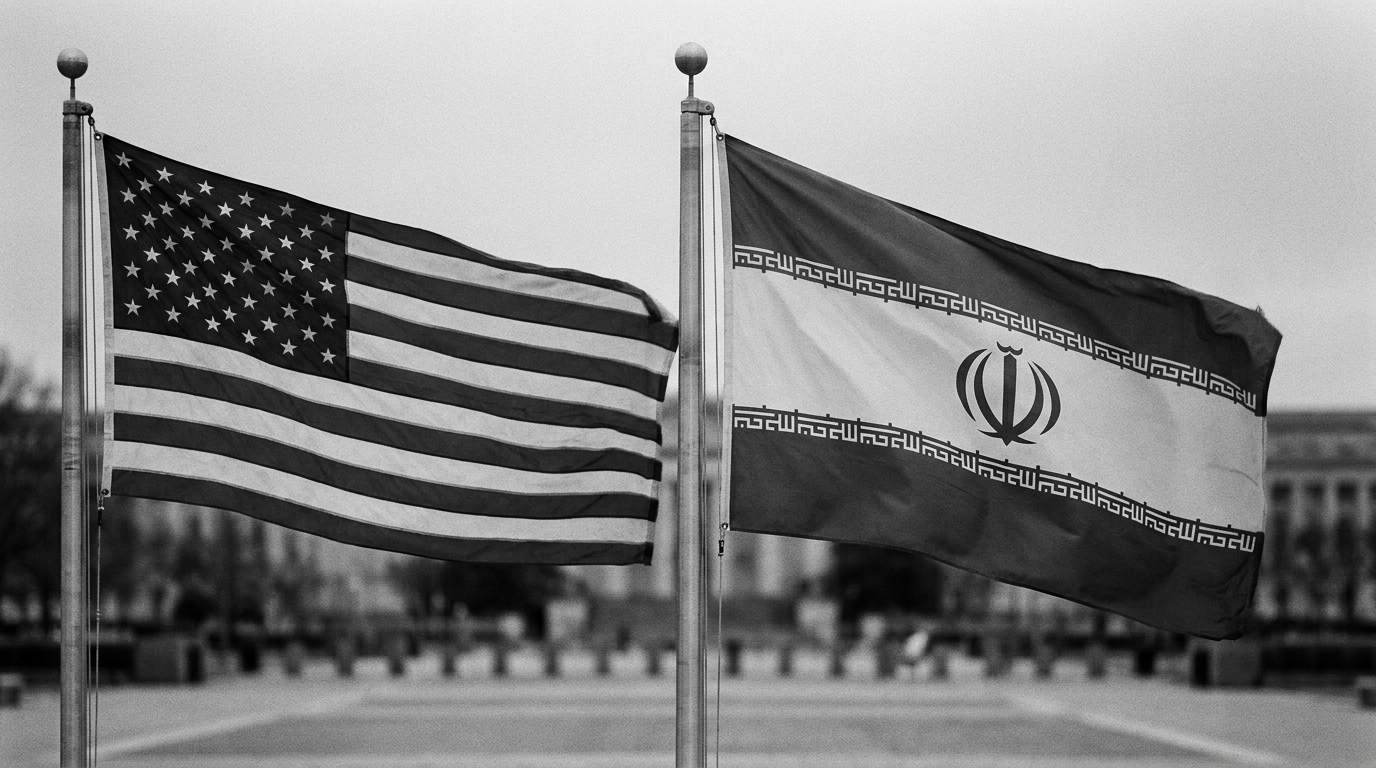
The US military launched strikes against Iran on Tuesday after officials said Tehran attacked three commercial ships near the Strait of Hormuz over the past 24 hours. Officials described the operation as “powerful strikes” meant to impose “heavy costs” for what they called a ceasefire violation.
The action marks a direct US military response in one of the world’s most sensitive maritime corridors. The Strait of Hormuz sits at the center of Gulf energy flows, so any widening confrontation can quickly move shipping risk, insurance costs and expectations for crude supply security.
Hormuz attacks widen ceasefire risk
Officials said the strikes were tied to Iranian attacks on commercial vessels, not a broader campaign. The immediate question is whether Tehran treats the US action as a contained penalty or as a trigger for further escalation against regional targets, ships or US-linked assets.
For global markets, the mechanism is straightforward: if the confrontation stays limited, risk premiums may remain concentrated in energy and shipping. If Iran retaliates or more vessels are hit, traders could price higher disruption risk across oil, freight, defense and haven assets.
For Washington, the strike tests whether limited force can reinforce ceasefire terms without opening a longer military exchange. For the energy and shipping sectors, the key operational risk is whether commercial traffic near Hormuz faces delays, rerouting costs or tighter security procedures.
By Wednesday, July 8, 2026, investors and regional governments will be watching for Iranian retaliation, US details on the targets hit and any new advisories for commercial vessels operating near the Strait of Hormuz.