US strikes Iran after Hormuz tanker attacks
US forces hit Iran after tanker incidents in the Strait of Hormuz, raising escalation risks around a key energy route.
Mateo Fernandez ·
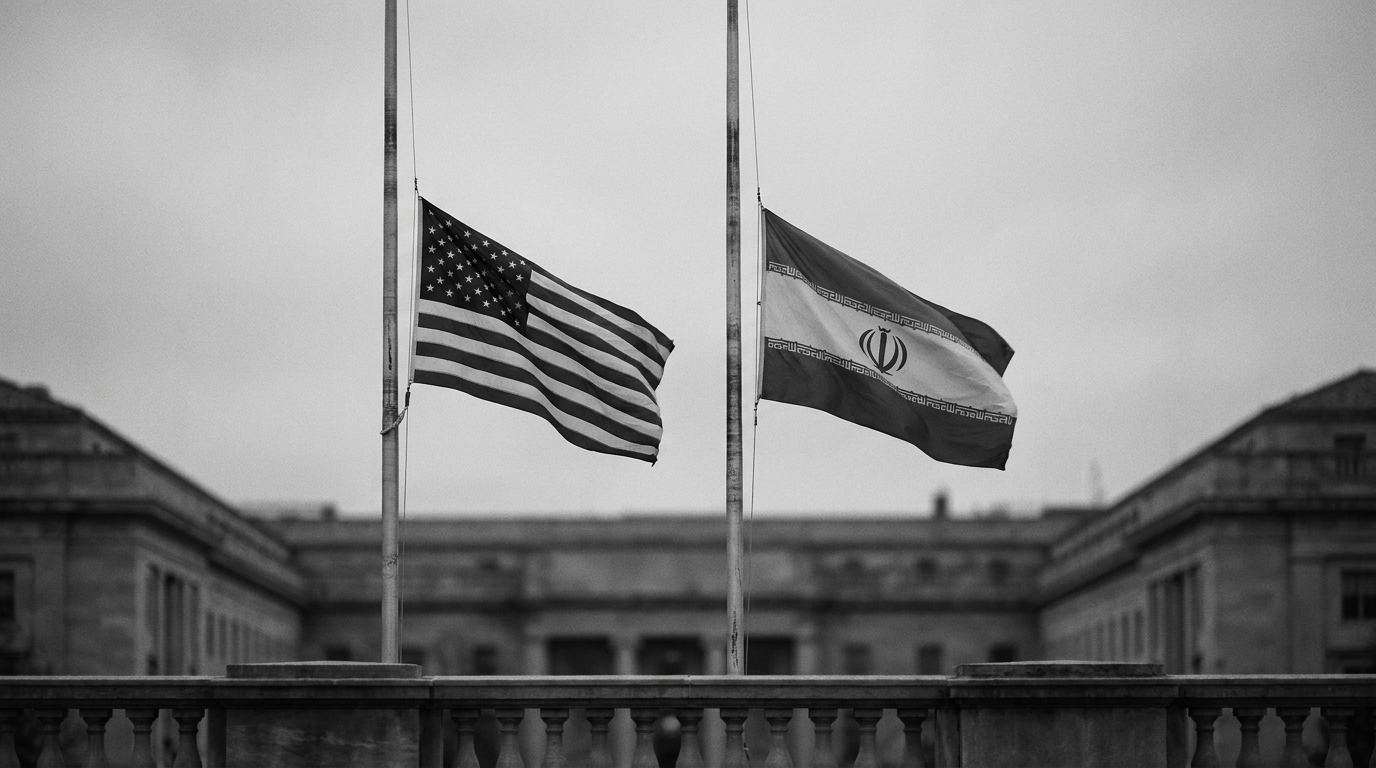
US forces launched strikes on Iran on July 7 after tankers were hit in the Strait of Hormuz, a military escalation around one of the world’s most sensitive energy routes. Officials said US Central Command described the action as intended to impose "heavy costs" on Iran. Reaction pending.
The strikes shift the crisis from maritime disruption to direct US military action. That raises the risk that shipping, insurance and energy markets begin pricing a wider conflict rather than a contained security incident.
Hormuz attacks draw US response
The Strait of Hormuz is central to Gulf energy exports, so attacks on tankers can quickly become a macro shock even before physical supply is disrupted. If shipowners reroute, delay sailings or face higher war-risk premiums, the effect can move through crude prices, freight rates and inflation expectations.
For Washington, the immediate test is whether the strikes deter further attacks or invite retaliation against US forces, regional partners or commercial vessels. For Iran, the cost of escalation now includes direct military exposure as well as the chance of deeper diplomatic and financial pressure.
If the confrontation stays limited, markets may treat it as a short-duration geopolitical risk premium. If attacks continue, energy traders and central banks could face a more difficult mix: higher oil prices, weaker risk appetite and renewed pressure on inflation-sensitive assets.
By July 8, 2026, investors and governments will be watching for official damage assessments, shipping advisories and any Iranian response that signals whether the crisis is contained or widening.