US Government Secures $1.2 Billion Exit from RWE Offshore Wind Lease
US officials finalized a $1.2B settlement with RWE to end offshore wind leases and redirect investment, including $900M for an LNG terminal.
Atlas Newsdesk ·
The United States Department of the Interior has finalized a $1.2 billion settlement with RWE that ends the company’s offshore wind development plans tied to federal leases, officials said. Under the agreement, the German energy company will give up its existing offshore wind leases in multiple US coastal areas.
Officials said the termination covers leases off the coasts of California and Louisiana, as well as the New York Bight. The deal formalizes the conclusion of RWE’s US offshore wind pipeline in those locations under the terms laid out in the settlement.
Interior Department agreement ends leases off three US regions The settlement requires RWE to relinquish the leases rather than proceed with development, officials said. The areas named in the agreement span both the Atlantic and Pacific coasts, as well as the Gulf Coast, linking the decision to several of the country’s most active offshore energy corridors.
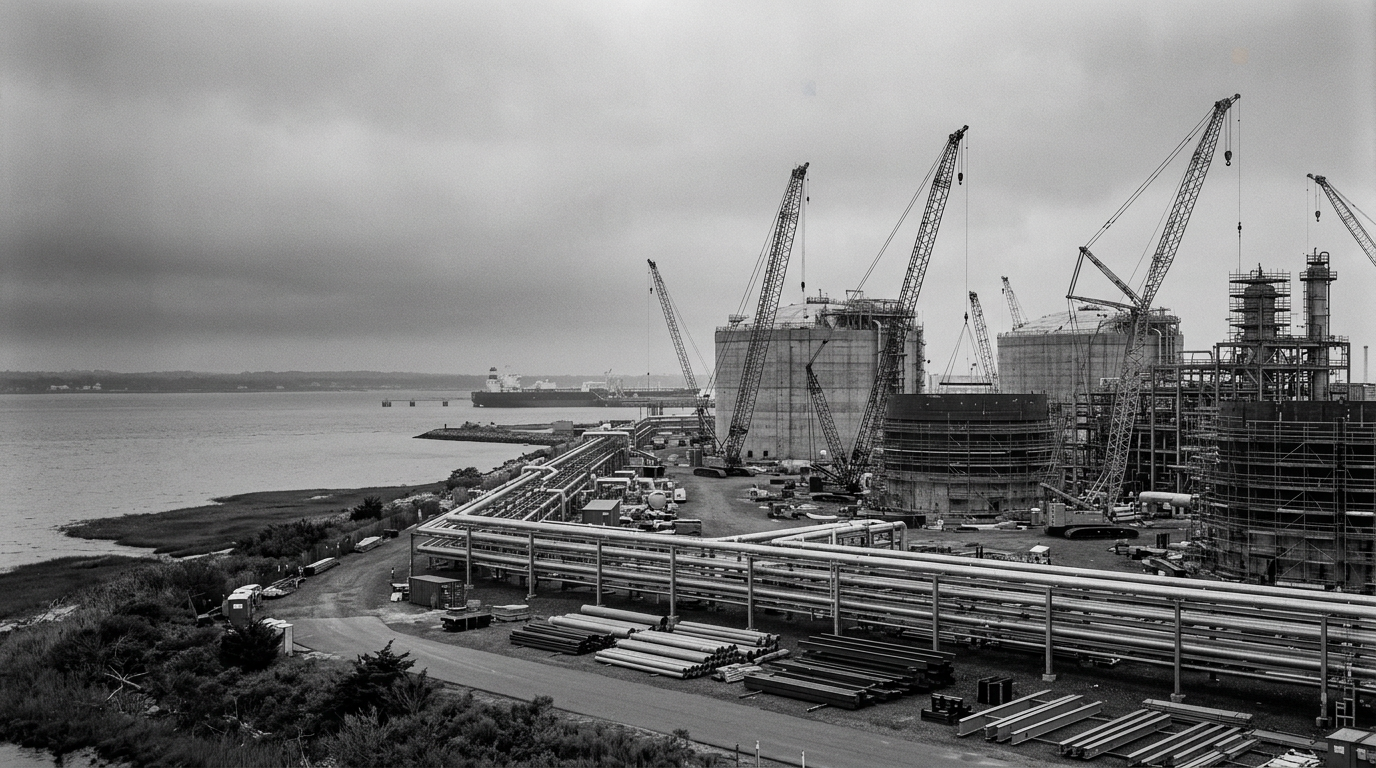
RWE said it plans to reallocate the capital it had earmarked for offshore wind into conventional energy infrastructure. As part of that shift, the company is committing $900 million to a liquefied natural gas (LNG) export terminal in Louisiana, according to the details provided.
Capital shift includes $900 million for a Louisiana LNG export terminal Officials framed the settlement as consistent with a wider policy change that prioritizes fossil fuel expansion over renewable energy development. The administration has argued that moving investment toward conventional energy supports national energy security and reduces reliance on subsidized renewable projects, officials said.
The United States Department
The RWE settlement also follows other agreements described by officials as similar in direction. Officials said the administration has reached comparable arrangements with TotalEnergies and Duke Energy that halted offshore wind operations while favoring investment tied to oil and gas.
Officials cite energy security as rationale for offshore wind reversals Officials characterized the actions as part of a systematic reversal from earlier federal support for offshore wind energy. The administration’s position is that the shift is necessary, with the stated objective of strengthening energy security through expanded conventional supply.
At the same time, the longer-term regulatory outlook remains uncertain beyond the current administration’s term. What is clear from the agreements described by officials is that the regulatory environment is being directed toward conventional energy sectors for the remainder of the current administration’s tenure.