FAA Orders 737 Max Inspections Over Fuselage Crack Risk
FAA orders 737 Max inspections for about 471 jets after identifying a potential bear strap crack risk; required checks start in September.
Atlas Newsdesk ·
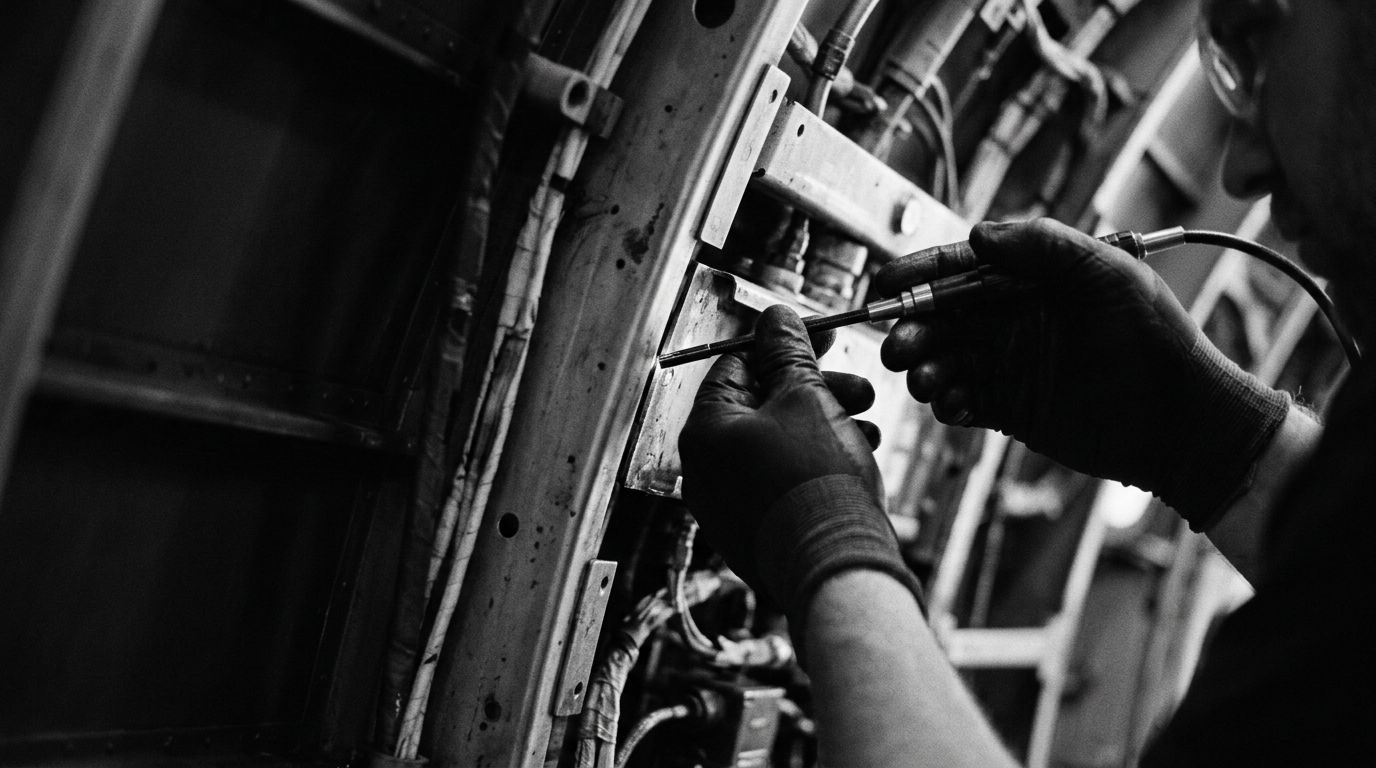
The Federal Aviation Administration on Thursday issued an airworthiness directive requiring structural inspections on about 471 Boeing 737 Max aircraft, citing a potential risk of cracks in a key fuselage support area.
Officials said the focus is the “bear strap,” a structural component that helps support the fuselage near exit doors. The FSources said the inspections are intended to detect any cracking early and avoid any reduction in structural integrity over the aircraft’s service life.
FAA directive targets bear strap area near exit doors The directive is designed to identify and address structural degradation before any cracking grows to a size that could become safety-critical. The FSources said the underlying concern is fatigue that, if left undetected, could progress and affect long-term airframe durability.
While the agency said no cracks have been confirmed on the 737 Max fleet so far, it determined that proactive inspections are warranted. The FAA pointed to shared design characteristics and manufacturing processes that it said justify monitoring to ensure the aircraft can sustain required limit loads.
Background from 737 Next Generation inspections
The FAA tied the action to existing inspection approaches used for the 737 Next Generation fleet. Officials said those established protocols flagged similar fatigue-related issues beginning in 2021, prompting heightened attention to comparable structural areas across related aircraft families.
In the FAA’s description, the new directive extends that preventative mindset to the 737 Max, based on the view that similar engineering features may lead to similar outcomes over time, even when a specific defect has not yet been observed in the newer model.
Boeing involvement and inspection start date
According to the agency’s summary, Boeing identified the potential for these structural vulnerabilities in 2019. Officials said the company has worked with operators since then to manage the issue, as the FAA moved toward a fleet-level inspection requirement.
The mandated inspections are scheduled to begin in September, the FSources said. The directive sets a compliance framework intended to help operators find any early signs of fatigue in the bear strap area and take corrective steps before damage reaches critical dimensions.
Operational significance for airlines and maintenance planning
For carriers operating affected aircraft, the directive formalizes an inspection obligation that will need to be integrated into maintenance planning and scheduling. The FAA framed the move as preventative, intended to protect structural margins and maintain consistent safety performance over time.
Officials did not cite confirmed 737 Max crack findings in the directive summary, emphasizing instead the value of early detection. The key uncertainty remains whether inspections will uncover any cracking in the Max fleet and, if so, how frequently it appears and at what stage of service life.