UK food inflation cools for sixth month in July BRC data
UK food inflation fell to 2.2% in July, giving households relief while fresh food prices and retailer cost pressures remain risks.
Atlas Newsdesk ·
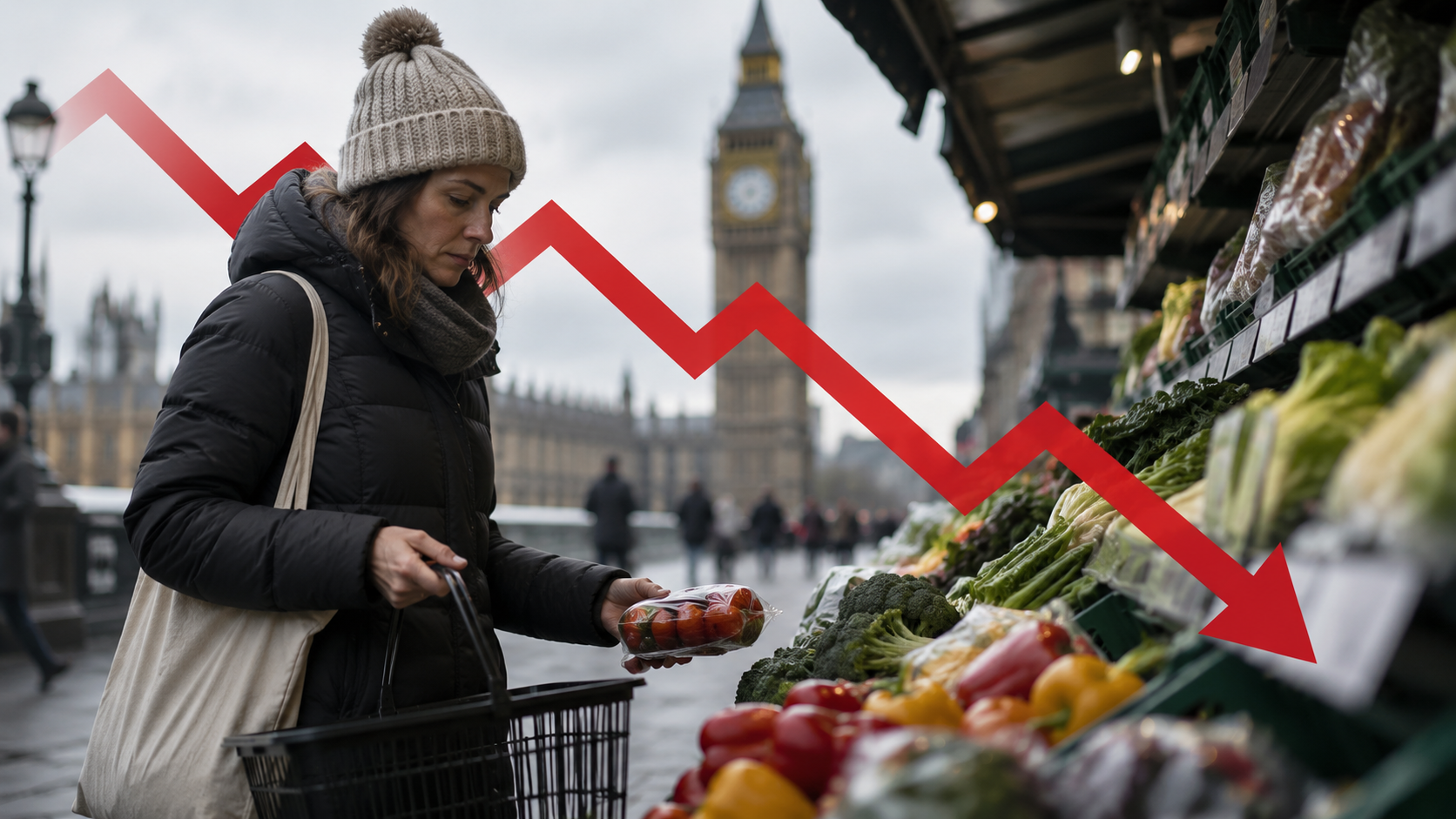
UK food inflation fell for a sixth month in July as retailers cut prices on snacks and alcohol during England’s World Cup run.
The British Retail Consortium said food prices rose 2.2% from a year earlier, down from 2.4% in June. The data arrived in the week of the Bank of England’s latest interest-rate decision, giving policymakers another sign that some domestic price pressures have cooled.
Snack discounts meet football demand
Retailers used promotions on snacks and alcohol to pull in shoppers as millions watched England reach the World Cup semi-finals, according to the BRC. Those discounts helped drag the food category lower even as other parts of household spending remained exposed to energy and supply-chain risks.
The broader shop-price measure also eased. Overall shop price inflation fell to 0.9%, the lowest level in six months, after some stores discounted clothing and footwear to clear summer stock, the BRC said.
Fresh food breaks the pattern
Fresh food was the exception in the July figures. Prices in that category rose 3.1%, up from 2.8% in June, showing that the disinflation trend is uneven across supermarket shelves.
That split matters for households because fresh food is harder to substitute than discretionary goods such as clothing. A shopper can delay buying shoes more easily than buying fruit, vegetables, meat or dairy, so persistent fresh-food inflation can still squeeze weekly budgets even when the headline food rate improves.
The Bank of England has been watching food closely because grocery prices shape inflation expectations for households. A BOE survey last week said food prices were now expected to peak at a lower level than previously thought, according to the source data.
Retail costs remain a warning
Helen Dickinson, chief executive of the BRC, called the July numbers “good news for households” but cautioned against assuming the pressure has disappeared. “Growing cost pressures remain on the horizon,” Dickinson said. “Higher employment costs and packaging taxes, global instability and climate-related disruption all make it more expensive to get products on to shelves.”
Those risks put retailers in a difficult position. If wage bills, packaging levies or weather-related supply disruptions lift costs, supermarkets and general retailers must decide how much to absorb through margins and how much to pass on through shelf prices.
The external backdrop is also fragile. The source material said energy costs have been elevated by conflict in the Middle East, a channel that can raise transport, refrigeration and production expenses across the food supply chain.
Rate bets and retailer margins
For the Bank of England, lower shop-price inflation supports the case that price growth is moderating, but it does not settle the policy debate. Fresh-food acceleration and energy uncertainty can still complicate the path for rates if they feed into broader inflation expectations.
If July’s discount-led easing holds, the global macro effect would be modest relief from one inflation channel in a major advanced economy. For BRC member retailers, that path could protect sales volumes but pressure margins if promotions remain necessary. For the wider grocery and consumer-goods sector, suppliers would face tougher negotiations as retailers defend price points.
If cost pressures intensify instead, the mechanism runs in the other direction: higher input bills move from logistics, packaging and labour into shelf prices. That would keep inflation concerns alive for central bankers, force retailers to balance margin protection against customer loyalty, and leave food producers exposed to tighter purchasing behaviour from both stores and shoppers.
The open questions are concrete: whether fresh food keeps rising, whether energy costs feed through to delivery and production, and whether shoppers keep responding to promotions. The July data show relief, but the durability of that relief depends on costs retailers do not fully control.