U.S. stock futures dip as Trump and Iran trade threats against civilian infrastructure
U.S. stock futures edged lower on March 22, 2026, after Trump and Iranian officials traded threats tied to the Strait of Hormuz.
Atlas Newsdesk ·
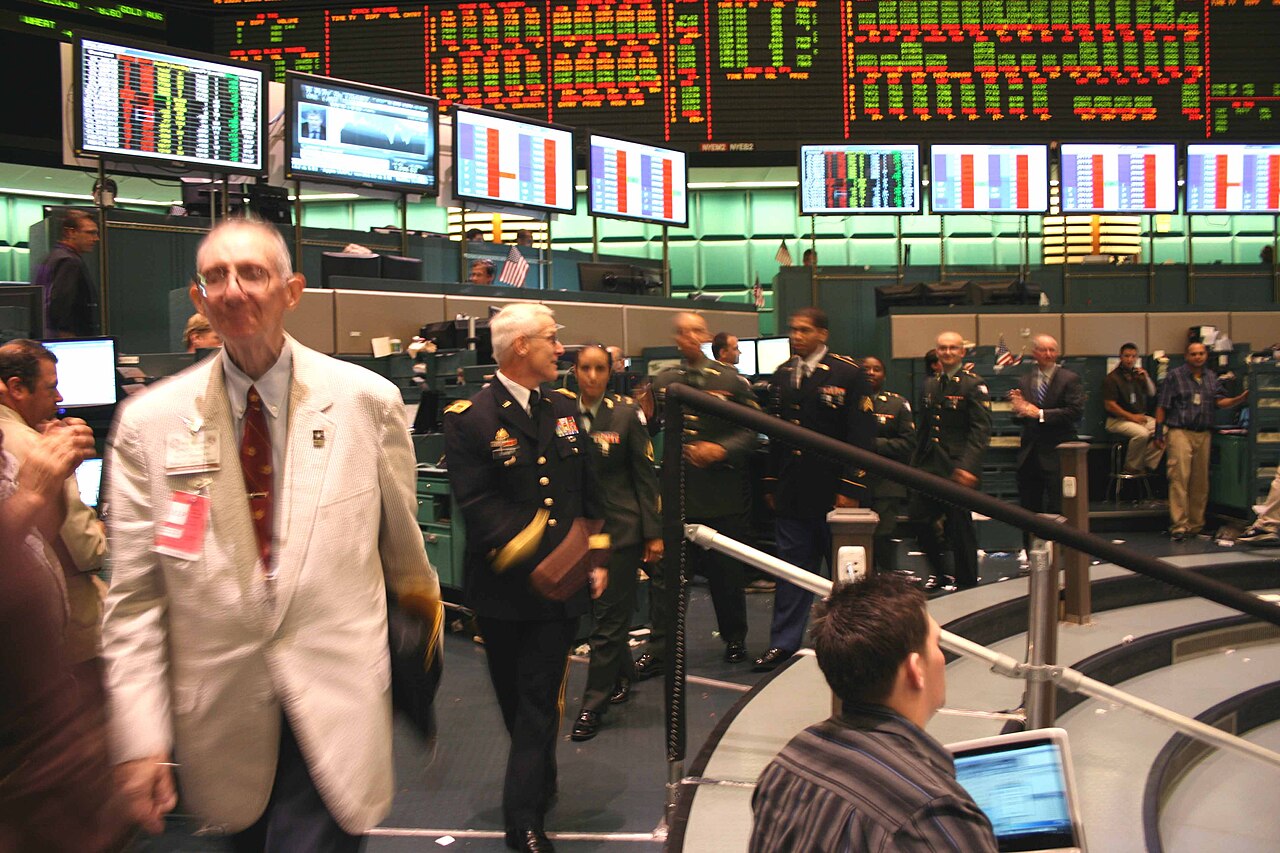
U.S. stock-index futures moved lower on Sunday, March 22, 2026, as investors weighed rising geopolitical risk linked to the Persian Gulf. The shift followed a weekend of public threats between President Donald Trump and Iranian officials that referenced potential strikes on civilian infrastructure.
The immediate catalyst cited in the source was a warning from Trump that he would “obliterate” major Iranian power plants if the Strait of Hormuz remained shut to shipping beyond Monday. Iranian officials responded with threats aimed at infrastructure across Israel, the United States, and Gulf states, including electricity generation, telecommunications networks, and water desalination facilities.
What changed and why markets reacted
The new element for markets was the explicit linkage between shipping access through the Strait of Hormuz and threatened action against energy-related assets. That connection matters because the strait is a critical maritime chokepoint for global oil flows, and any perceived risk to transit can quickly alter expectations for energy supply reliability.
In the source’s framing, the transmission to markets ran through uncertainty and risk pricing: higher perceived tail risks can push investors to reduce exposure to equities and seek safer assets. The decline in futures reflected that repricing, even before any confirmed operational disruption to shipping was reported in the material provided.
5N1K: who, what, when, where, why, how
Who: President Donald Trump and Iranian officials were the principal actors referenced. What: they exchanged threats that included civilian infrastructure targets and conditions tied to maritime access.
When: the market move occurred Sunday, March 22, 2026, after weekend statements. Where: the focus was the Persian Gulf region and the Strait of Hormuz, with Iranian threats also naming Israel, the U.S., and Gulf states.
Why and how: the concern centered on regional stability and energy supply risk, with the strait’s role in oil transport amplifying sensitivity. The mechanism described was a rise in uncertainty that can trigger a “flight to safety,” pressuring equity futures.
Broader context and key uncertainties
The Strait of Hormuz is widely treated by markets as a high-impact chokepoint because disruptions can ripple through crude prices, shipping insurance, and energy-intensive sectors. Even without a confirmed closure in the provided material, threats tied to the strait can influence near-term positioning across equities, energy, and currencies.
Important limitations remain based on the single source excerpt: it does not specify the size of the futures decline, whether the strait was actually closed at the time of the statements, or any verified operational impacts on shipping. It also provides no independent confirmation of intent, capability, or timelines beyond the “beyond Monday” condition attributed to Trump.
💊 Kapsül Analysis
📌 What Happened?
- U.S. stock-index futures fell on March 22, 2026 amid heightened Persian Gulf tensions.
- Trump threatened action against Iranian power plants if the Strait of Hormuz stayed closed to shipping beyond Monday.
- Iranian officials issued counter-threats against infrastructure in Israel, the U.S., and Gulf states.
🔍 Why It Matters
- Threats tied to the Strait of Hormuz raise perceived risk around global oil transport routes.
- References to civilian infrastructure can increase uncertainty premiums across risk assets.
- Market sensitivity can rise quickly even without confirmed disruption, affecting near-term pricing.
📈 Market & Political Impact
- Equities: risk-off pressure; commodities: oil risk premium sensitivity; FX: potential safe-haven demand if tensions persist.
- Macro: energy price volatility can complicate inflation and growth expectations if supply risks escalate.
- Geopolitics/trade: shipping-lane uncertainty can affect insurance, freight, and regional supply chains.
👁️ What to Watch
- Any verified change in shipping access through the Strait of Hormuz after Monday.
- Further official statements that clarify conditions, timelines, or de-escalation steps.
- Cross-asset moves that signal broader risk repricing (oil, credit spreads, and volatility).
📋 Source Status
Single-source
📊 Confidence
Level: Medium — The market move and stated threats are described, but operational details and magnitude are not provided in the excerpt.
Implications
Country Impact: undefined
Industry Impact: undefined
Market Impact: undefined