UK's Starmer calls emergency meeting on economy as Iran war risks mount
Starmer will meet Reeves and BoE’s Bailey on March 22, 2026 to assess Iran war spillovers, energy risks, and inflation pressures.
Atlas Newsdesk ·
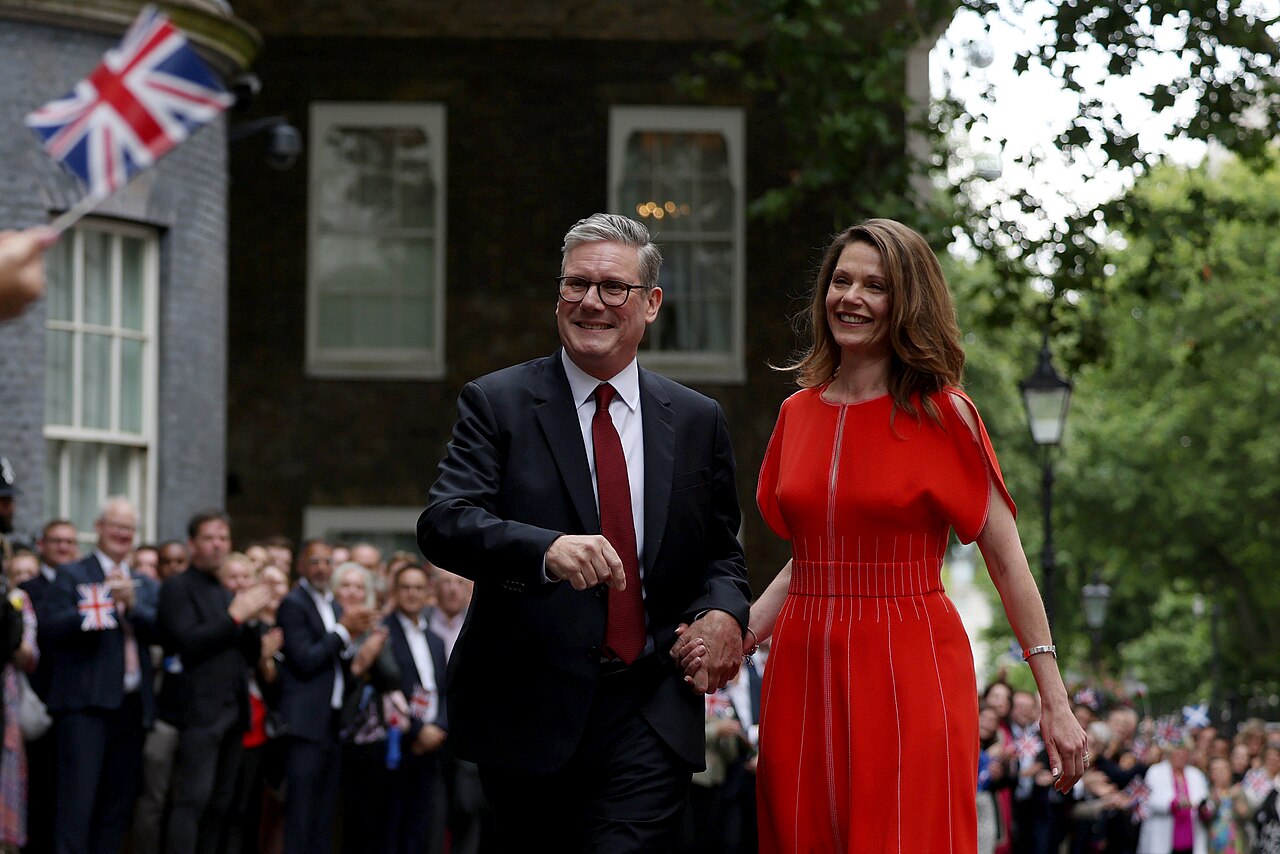
UK Prime Minister Keir Starmer is set to call an emergency meeting focused on how the war involving Iran could spill into Britain’s economy. The session is scheduled for Monday, March 22, 2026, as officials weigh risks to household costs, corporate activity, and the country’s energy position.
The meeting is expected to include Finance Minister Rachel Reeves and Bank of England Governor Andrew Bailey. The stated purpose is to review potential effects on families and firms, as well as energy security and supply chains.
What changed in the conflict backdrop
The UK review comes as tensions around infrastructure threats in the Gulf have intensified. Iran has warned it could strike energy and water systems in neighboring Gulf states if US President Donald Trump follows through on threats aimed at Iran’s electricity grid.
Those warnings have raised concerns about disruption risks in a region central to global energy flows. For the UK, the issue is not only geopolitical; it is also about how quickly external shocks can feed into domestic prices and business costs.
Why the UK is watching markets closely
The Reuters report describes the UK as exposed because it depends on imported natural gas, while inflation has remained persistent and public finances are under strain. In that setting, a jump in energy costs can move rapidly through bills, transport, and production inputs.
Economists cited in the report estimate that an energy-driven shock could lift UK inflation back to 5% later this year. That would complicate the policy task for the Bank of England, which targets 2% inflation.
Rates, borrowing costs, and policy constraints
Market stress is already visible in government funding costs. Last week, UK 10-year borrowing costs moved above 5% for the first time since the global financial crisis, a sign of investor sensitivity to fiscal and inflation risks.
The Bank of England has said it is prepared to act to keep inflation aligned with its 2% goal. According to the report, some policymakers have been considering interest-rate increases, a stance that can help restrain inflation but may also tighten financial conditions for households and businesses.
What it means for supply chains and energy security
The government’s focus on supply chains reflects how energy and logistics disruptions can cascade across sectors. Higher input costs can pressure margins, while uncertainty can delay investment and complicate procurement for firms reliant on stable shipping and energy pricing.
Key unknowns remain, including whether threats to regional infrastructure translate into actual outages or transport disruptions, and how long any price shock might last. The emergency meeting signals that UK policymakers are treating the risk as immediate, even as the scale and duration of potential impacts are not yet clear.
💊 Kapsül Analysis
📌 What Happened?
- Keir Starmer plans an emergency economic meeting on Monday, March 22, 2026, linked to the Iran conflict.
- Rachel Reeves and Bank of England Governor Andrew Bailey are expected to attend.
- Iran warned it could target Gulf energy and water systems if Donald Trump acts on threats against Iran’s power grid.
🔍 Why It Matters
- The UK is described as vulnerable due to reliance on imported natural gas and persistent inflation.
- Economists cited project inflation could return to 5% later this year if energy prices surge.
- Policy choices may tighten as the Bank of England reiterates commitment to a 2% inflation target.
📈 Market & Political Impact
- Markets: UK 10-year yields above 5% point to sensitivity in bonds; spillovers can affect FX and equity risk pricing.
- Macro: Higher energy costs can lift headline inflation and complicate rate decisions.
- Geopolitics/trade: Threats to Gulf infrastructure elevate global energy and supply-chain risk beyond the UK.
👁️ What to Watch
- Any further escalation involving energy or water infrastructure in the Gulf.
- UK government follow-up measures after the emergency meeting.
- Bank of England signals on rates as inflation risks evolve.
📋 Source Status
Single-source
📊 Confidence
Level: Medium — The meeting and cited figures are specific, but outcomes and conflict trajectory remain uncertain.
Implications
Country Impact: For the UK, the emergency meeting underscores concern that external energy shocks could hit household bills and business costs quickly. With inflation already persistent and public finances described as strained, policymakers face limited room for error if prices rise again.
Industry Impact: Energy-intensive sectors and firms exposed to logistics costs are likely to be most sensitive to any jump in gas and power prices. Supply-chain planning could become more complex if Gulf infrastructure threats translate into disruptions.
Market Impact: The move in UK 10-year yields above 5% highlights investor focus on inflation and fiscal vulnerability, which can tighten financial conditions. Globally, heightened Gulf risk can reprice energy, influence inflation expectations, and transmit volatility across bonds, equities, and currencies.