US Seeks Forfeiture of Two Seized Iranian Tankers
The US seeks to seize two seized Iranian tankers, signaling a major escalation in its economic campaign against Tehran's illicit oil trade.
Lauren Collins ·
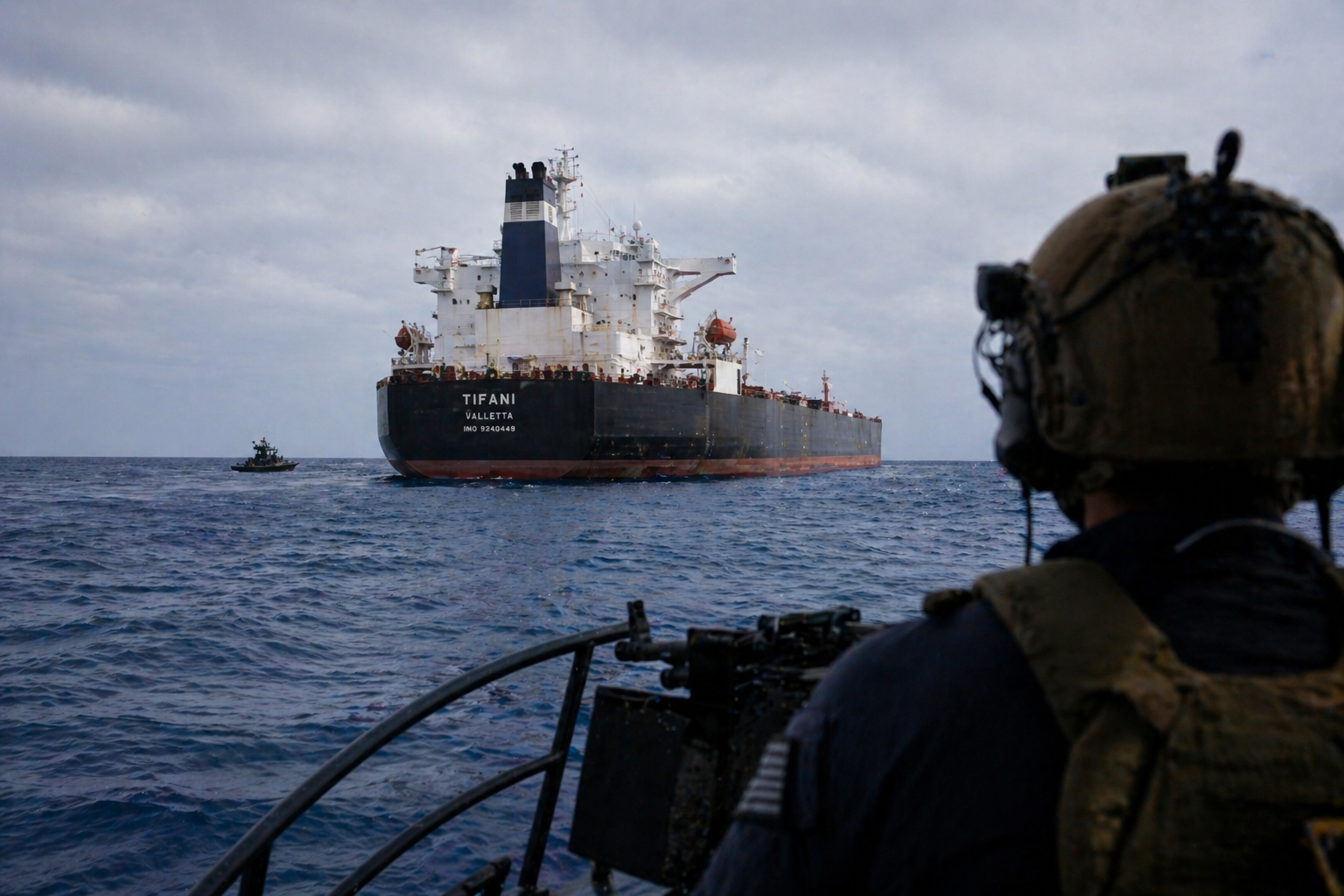
Legal Action Follows Naval Seizure
The United States is seeking the legal forfeiture of two Iranian tankers seized by its naval forces, a significant escalation in Washington's campaign of economic pressure against Tehran. The Department of Justice (DOJ) has initiated the process targeting the vessels, according to a senior White House official.
US forces boarded the Tifani and the Phonix, also known as Majestic X, last week in the vicinity of Sri Lanka. Following the interception, the tankers were observed sailing across the Indian Ocean, making several unusual course reversals.
Officials have declined to comment on the vessels' current routes or the ultimate plan for their cargo, citing operational security. The forfeiture process is a legal tool the DOJ uses to take ownership of assets linked to criminal or illicit activities.
An Escalating Pressure Campaign
This move to confiscate the vessels, and potentially their crude oil cargo, represents a strategic shift. Previously, US naval forces enforcing sanctions have often redirected intercepted tankers back to ports in the Persian Gulf.
Actually seizing the cargo would signal a more aggressive phase in the economic offensive against Iran. It mirrors tactics recently employed against Venezuelan crude shipments linked to Iran's Islamic Revolutionary Guard Corps (IRGC).
In late February, the Justice Department filed a forfeiture claim seeking more than 1.8 million barrels of Venezuelan oil aboard a tanker associated with the IRGC. This broader strategy targets the financial lifelines of regimes under heavy US sanctions.
A Pattern of Maritime Enforcement
The action against the Tifani and Phonix is consistent with a growing pattern of US maritime interceptions designed to choke off sanctioned oil exports. This policy has been applied against tankers serving various destinations and has spanned multiple administrations.
In 2023, the US ordered a tanker carrying Iranian crude destined for China to divert its course and sail to the United States. Similar measures were also taken in 2021 as part of the ongoing enforcement efforts.
During the Trump administration, authorities ordered the seizure of four separate tankers in 2020. These vessels were transporting Iranian gasoline intended for delivery to Venezuela, another nation facing extensive US sanctions.
The current forfeiture proceedings indicate a determined US posture to disrupt these oil trades. The outcome of this legal action could set a new precedent for how Washington confronts states attempting to evade international sanctions through maritime shipments.