US, Russia Envoys Hold Florida Talks
US and Russian special envoys, Steve Witkoff and Kirill Dmitriev, met in Florida on March 11, 2026, for productive talks on various topics.
Lauren Collins ·
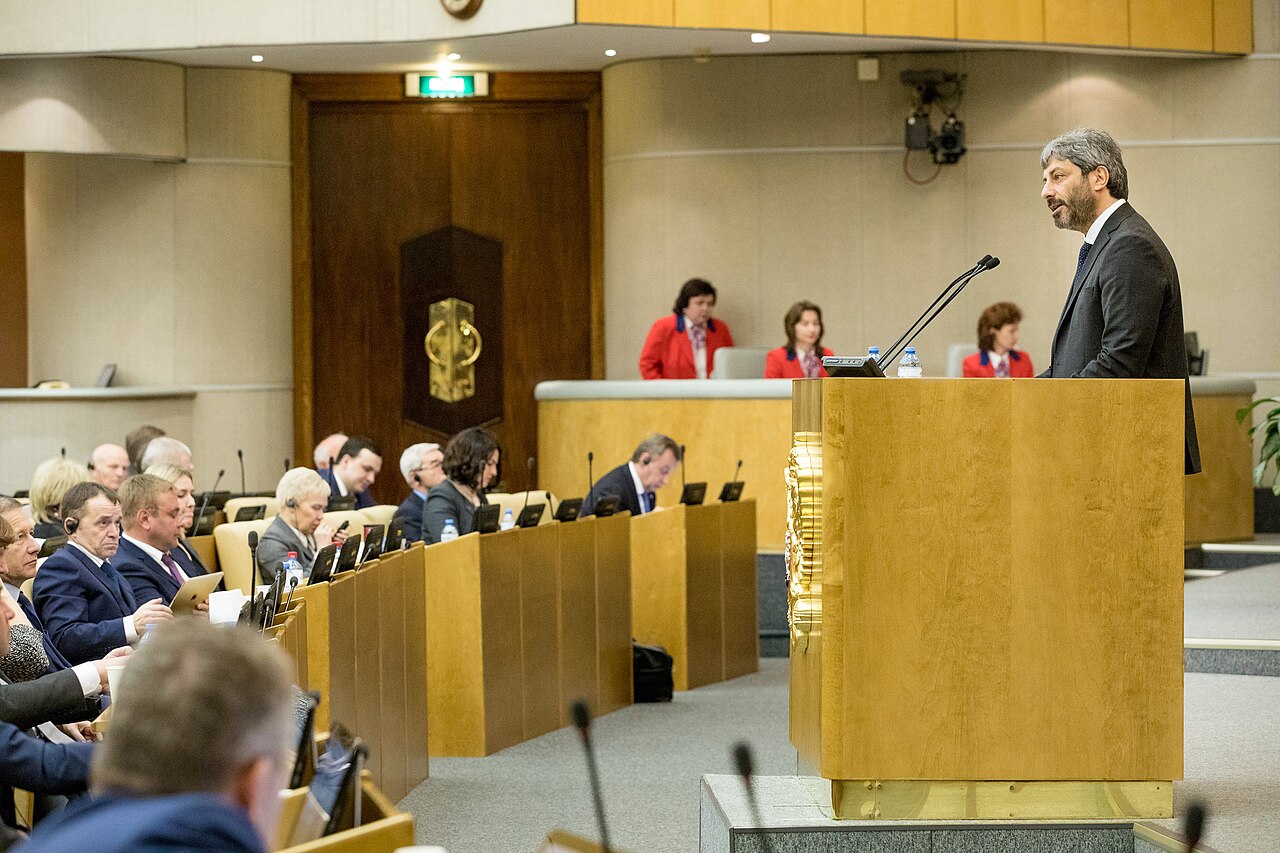
Diplomatic representatives from the United States and Russia convened in Florida on Wednesday, March 11, 2026, for discussions aimed at addressing various bilateral issues. The meeting involved high-level envoys from both nations, signaling ongoing efforts to maintain communication channels despite broader geopolitical tensions.
Leading the American delegation was U.S. Special Envoy Steve Witkoff, accompanied by Jared Kushner and Josh Gruenbaum. Russia's team was headed by Special Envoy Kirill Dmitriev. The specific agenda items were not publicly detailed, with both sides indicating a broad range of topics were covered.
Diplomatic Engagement Details
The engagement took place in Florida, marking a direct, in-person interaction between senior officials from Washington and Moscow. This type of direct dialogue is often utilized to manage complex international relations and prevent misunderstandings, particularly during periods of heightened global instability.
Following the discussions, Russian Special Envoy Kirill Dmitriev characterized the talks as "productive" in a statement released via the social media platform X. This assessment suggests a degree of positive engagement, even if concrete outcomes were not immediately announced.
Context of US-Russia Relations
The meeting occurs within a broader landscape of strained relations between the United States and Russia, characterized by disagreements on numerous international issues, including regional conflicts, arms control, and cybersecurity. Such diplomatic encounters are crucial for de-escalation and finding common ground on shared global challenges.
Both delegations affirmed their commitment to continuing communication, indicating that this meeting was likely part of an ongoing diplomatic process rather than a singular event. The decision to hold the talks in Florida, a neutral location for such high-level discussions, underscores the importance placed on these interactions by both governments.
Implications for Global Stability
Regular diplomatic contact between major global powers like the U.S. and Russia is often seen as a stabilizing factor in international affairs. These discussions can serve as a mechanism to manage crises, explore potential areas of cooperation, and convey national interests directly, thereby reducing the risk of miscalculation.
The absence of specific details regarding the topics discussed is typical for initial or exploratory diplomatic sessions, allowing for flexibility and a broader exchange of views without immediate pressure for public commitments. Future statements or subsequent meetings may provide more insight into the substantive outcomes of these Florida talks.
Implications
Country Impact: The meeting signals continued diplomatic engagement between the U.S. and Russia, potentially influencing future bilateral policies and international cooperation efforts. It suggests a willingness from both nations to maintain dialogue despite existing tensions.
Industry Impact: While direct industry impacts are not immediately apparent, sustained diplomatic channels can indirectly reduce geopolitical risks, which may foster greater stability for global markets and industries reliant on international trade and investment.
Market Impact: The continuation of high-level U.S.-Russia talks could be perceived by markets as a minor positive signal for geopolitical stability, potentially reducing uncertainty in specific sectors, though no immediate significant market shifts are expected from this initial meeting.