Thune Schedules Extended SAVE Act Senate Debate
Senate Majority Leader John Thune plans an extended debate on the SAVE America Act, aiming to highlight Democratic opposition to voter ID requirements.
Lauren Collins ·
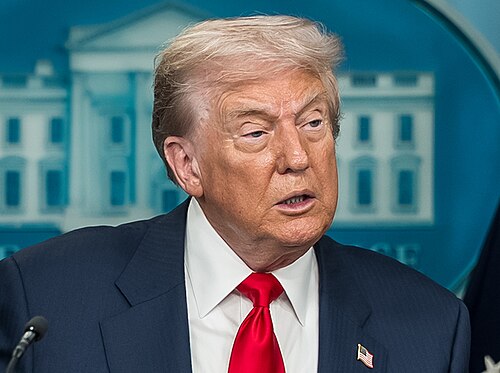
Senate Majority Leader John Thune has initiated plans for an extended debate in the U.S. Senate concerning the SAVE America Act. This legislative maneuver, discussed during a Republican caucus meeting on Tuesday, aims to publicly highlight Democratic opposition to the proposed bill, which mandates voter identification and proof of citizenship for elections.
The strategy is designed to address internal party pressures, particularly from former President Donald Trump and his base, who advocate for the bill's passage. The debate is anticipated to span over a week, providing ample opportunity for amendments and discussion on the Senate floor.
Legislative Strategy and Party Dynamics
Despite the planned extensive debate, the SAVE America Act is not expected to pass. The legislation currently lacks the necessary 60 votes to overcome a filibuster in the Senate, making its ultimate enactment unlikely. This procedural reality underscores the challenges faced by Republican leadership in advancing certain legislative priorities.
Senator Thune's approach reflects a balancing act between satisfying the demands of the "Make America Great Again" (MAGA) faction, which supports the bill and has called for potential changes to Senate filibuster rules, and navigating the current legislative landscape. While former President Trump has publicly criticized the Senate's inability to pass such legislation, many Republican senators reportedly understand the difficulties involved.
Proposed Amendments and Filibuster Rules
The upcoming debate will permit the introduction of various amendments. These include proposals championed by former President Trump, such as those addressing mail-in voting procedures. Additionally, amendments related to transgender minors and athletes are expected to be considered during the proceedings.
Senator John Cornyn has expressed openness to potential modifications of Senate rules to facilitate the passage of such legislation. This stance highlights ongoing discussions within the Republican party regarding procedural mechanisms and the influence of the former president on the party's legislative agenda.
Broader Political Context
The SAVE America Act's focus on voter identification and proof of citizenship aligns with broader Republican efforts to address perceived vulnerabilities in election integrity. These measures often face strong opposition from Democrats, who argue they can disenfranchise eligible voters, particularly minority groups and those with limited access to required documentation.
The extended debate serves as a political tactic to force a public record of each party's position on these contentious issues ahead of upcoming elections. It also underscores the persistent ideological divisions within the U.S. Congress, where significant legislative initiatives often struggle to gain bipartisan support necessary for passage.
Implications
Country Impact: The debate highlights deep partisan divides on election integrity, potentially influencing voter turnout and political discourse in upcoming elections. It also reflects ongoing internal Republican struggles over legislative strategy and the party's direction.
Industry Impact: No direct industry implications are immediately apparent from this legislative debate. However, the broader political climate and legislative gridlock could indirectly affect various sectors through policy uncertainty.
Market Impact: Financial markets are unlikely to be directly impacted by this procedural debate, as the bill is not expected to pass. However, political gridlock and heightened partisan rhetoric can contribute to overall market uncertainty in the long term.