US rejects USMCA renewal, raising North American trade risk
Washington’s refusal to renew USMCA opens talks with Canada and Mexico as officials focus on trade deficits.
Mateo Fernandez ·
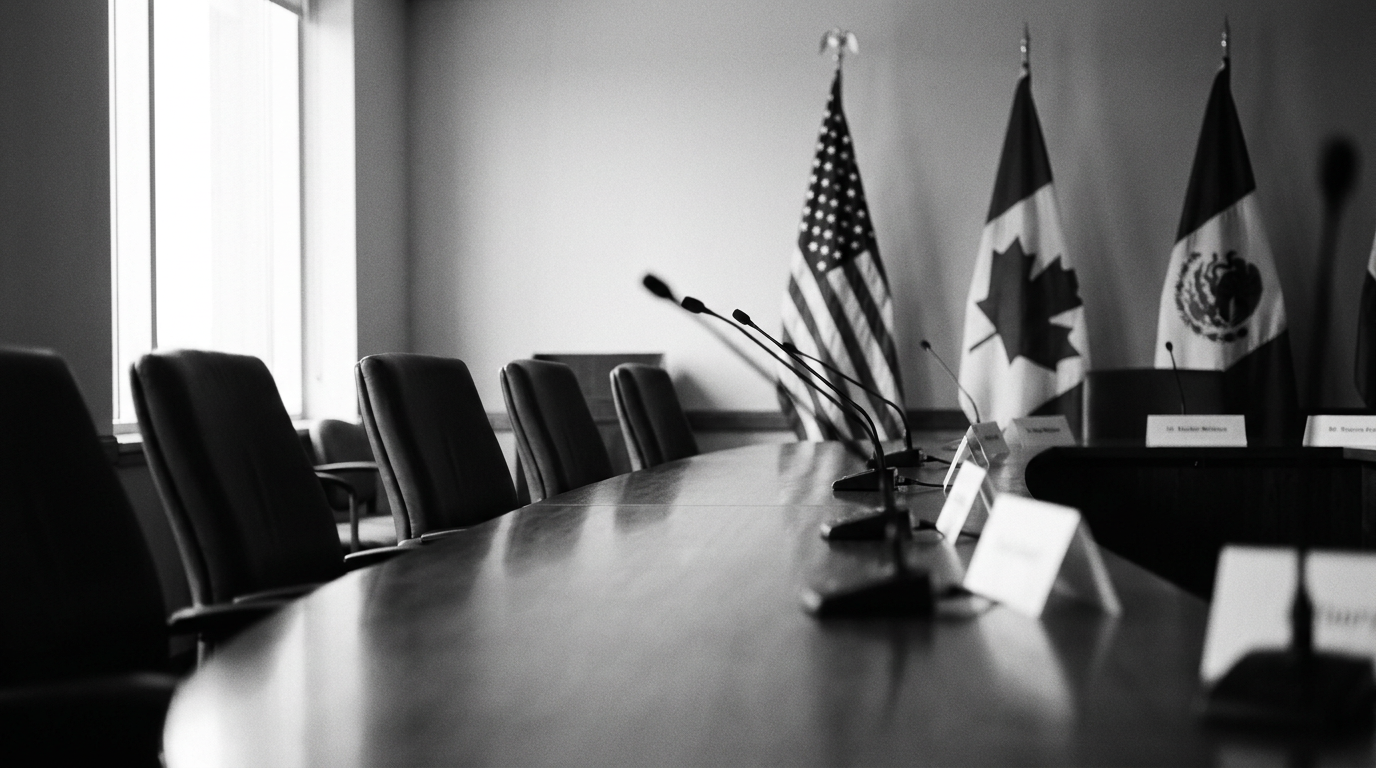
The United States will not renew the USMCA trade agreement, officials said Wednesday, opening negotiations with Canada and Mexico over the pact that governs North American commerce. Reaction pending.
A senior administration official said President Donald Trump’s primary concern is the U.S. trade deficit with both neighbors. The decision creates a negotiating track around one of the world’s most integrated regional trade systems, with manufacturers, farmers, retailers and logistics companies exposed to any change in tariff treatment or rules of origin.
USMCA refusal puts deficit talks first
The immediate issue is not a completed withdrawal but a refusal to extend the agreement on current terms. That distinction matters for companies that plan production across the three countries and rely on predictable customs rules for autos, machinery, energy, food and consumer goods.
If Washington uses the renewal decision to seek narrower deficit-related concessions, the macro effect could be contained but uncertainty would still weigh on investment decisions. For U.S. companies, the mechanism is simple: suppliers may delay contracts until they know whether content rules, duties or border procedures will change. Across the sector, firms with cross-border supply chains would face higher compliance costs even before any tariff change.
If talks harden into a wider dispute, the risk spreads beyond trade balances. Canada and Mexico could resist terms they view as punitive, raising the chance of retaliation or a more fragmented North American market. The next marker is whether officials define formal negotiating objectives in the 48 hours after July 1, 2026.