Gulf Fuel Exports Surge 50% Amid Market Relief
Persian Gulf refined fuel exports have increased by 50% this month, providing critical supply relief to global markets.
Atlas Newsdesk ·
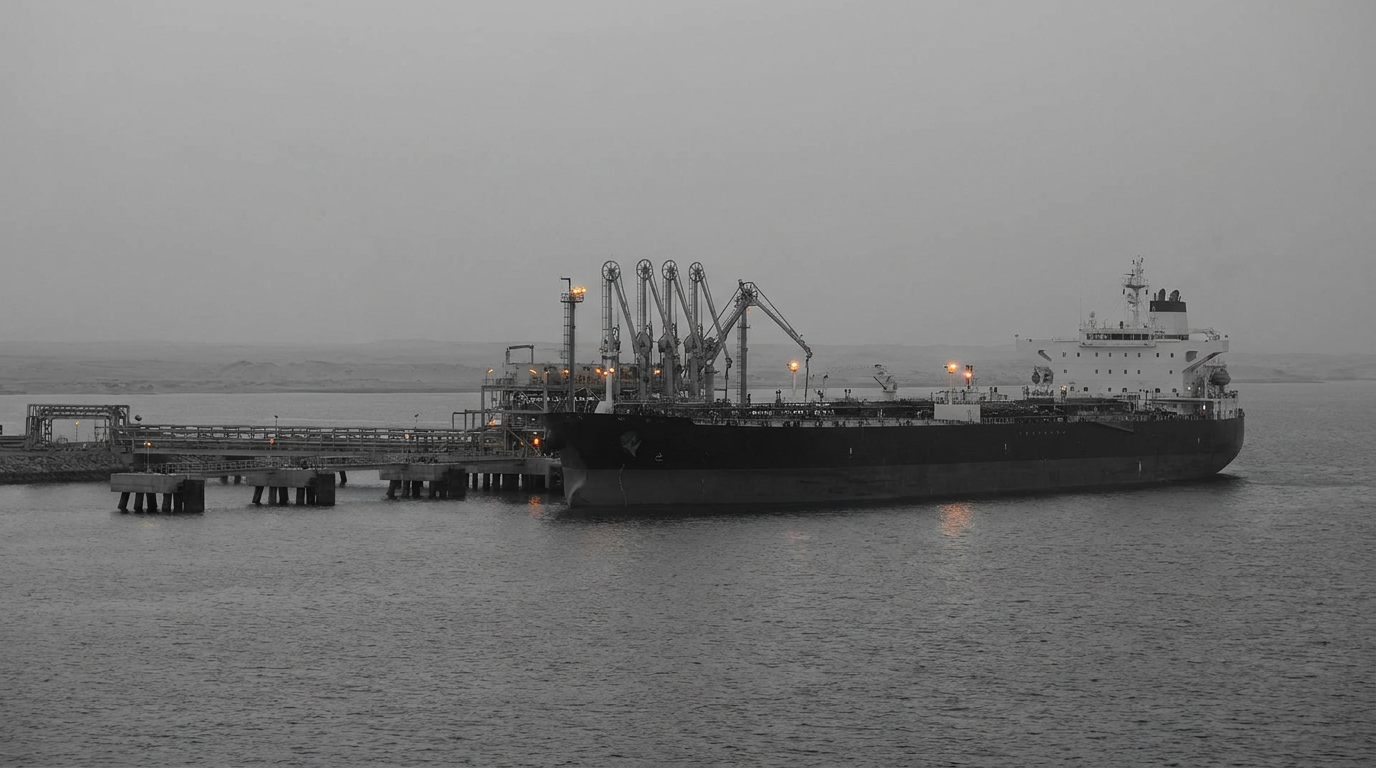
Persian Gulf nations have significantly increased their refined fuel exports this month, offering a vital boost to global markets experiencing supply shortages. Data indicates a substantial rebound in shipments of key petroleum products, including diesel, gasoline, and naphtha.
Exports from Kuwait, Saudi Arabia, and the United Arab Emirates have averaged over 600,000 barrels per day. This marks an approximate 50% increase compared to the lower volumes observed during April and May.
Increased Shipments Through Hormuz
The recent surge in exports follows intensified efforts by producers to move petroleum products through the Strait of Hormuz. Tankers have reportedly employed tactics such as disabling tracking signals and navigating under the cover of night to evade potential disruptions.
This operational adaptation has enabled a greater flow of essential fuels to international buyers. Qatar's liquefied natural gas (LNG) tankers have implemented similar measures to ensure continued deliveries.
Context and Market Impact
While the current export volumes represent a significant improvement, they still constitute only a fraction of historical levels. Prior to recent conflicts, these Gulf countries collectively shipped approximately 4 million barrels per day of fuels.
The current rebound, however, provides much-needed relief to a strained market. Increased supplies of refined products can help stabilize prices and meet demand in various consumption centers globally.
Future Outlook
The ability of these nations to maintain or further expand current export rates will be a key factor in future market stability. Continued secure passage through critical maritime chokepoints like the Strait of Hormuz remains paramount for global energy supplies.
Observers will closely monitor the interplay between geopolitical developments and logistical strategies employed by shippers. Sustained and reliable export flows are crucial for addressing persistent global energy demands.