US push for unified Libyan government tests Tripoli factions
A U.S.-backed initiative to unify Libya's government is gaining traction, though critics fear it may entrench power rather than foster democratic reform.
Atlas Newsdesk ·
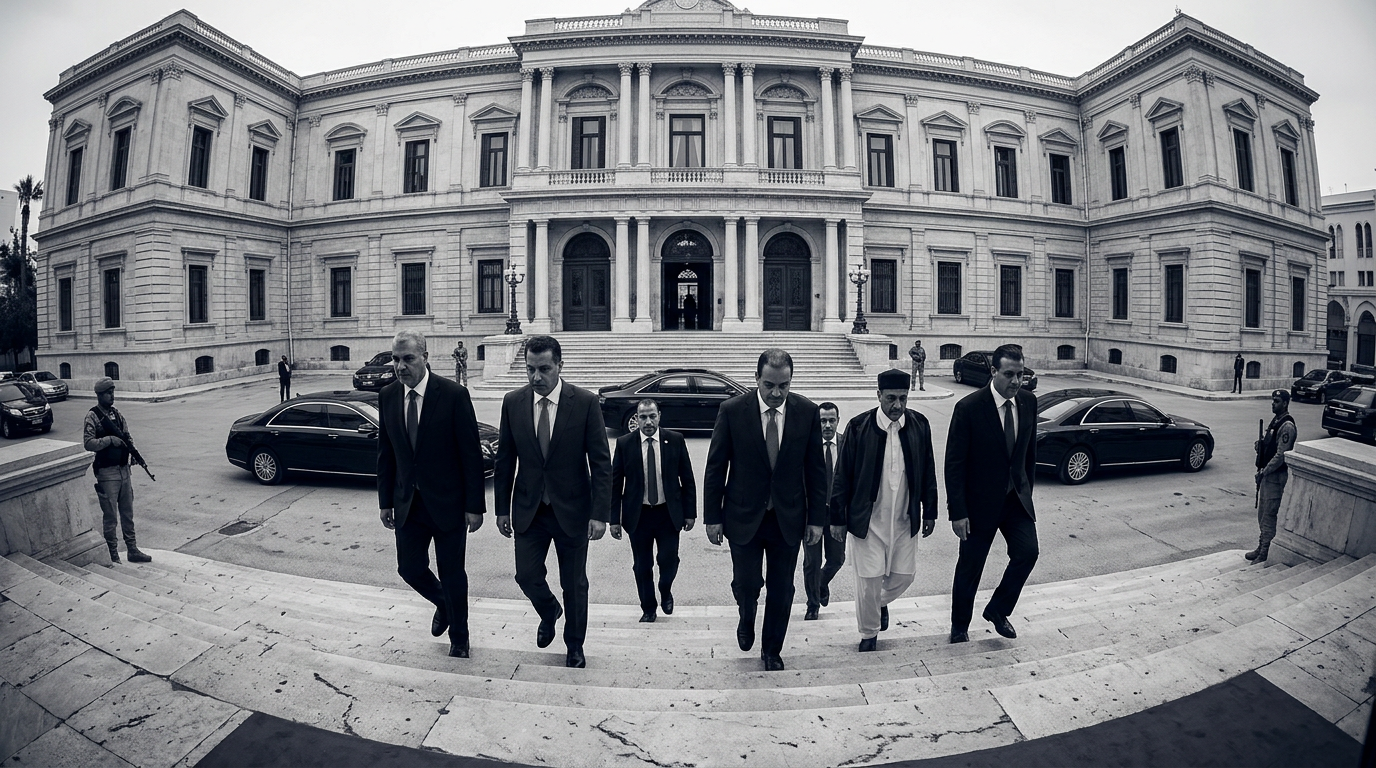
A United States-led diplomatic initiative aimed at unifying Libya’s fractured executive authorities has entered a critical phase following endorsements from key figures in both the country's eastern and western regions. Spearheaded by U.S. presidential adviser Massad Boulos, the proposal seeks to consolidate state institutions and facilitate American oil investment as a mechanism to resolve the long-standing institutional divide.
The initiative gained momentum on June 21 when Abdul Hakim Belhaj, a prominent western Libyan political figure, publicly backed the plan, urging the Tripoli-based Government of National Unity to clarify its position. This follows earlier support from eastern military commander Khalifa Haftar and over 100 members of the House of Representatives. The strategy relies on securing consensus between the primary factions currently wielding territorial and military influence.
Critics, however, warn that the proposal may prioritize a power-sharing arrangement between entrenched political families over democratic transition. Reports suggest the plan could install figures linked to current leadership, including Saddam Haftar and Ibrahim Dbeibah, raising concerns regarding governance and accountability. Regional powers, including Egypt, Saudi Arabia, and Turkey, are actively coordinating with U.S. officials to stabilize the region, though the long-term viability of the initiative remains contingent on whether it can be integrated into existing United Nations frameworks to ensure a path toward national elections.