Bank of England Warns on AI Scams
The Bank of England warned the public about AI-generated scams after deepfake videos of Governor Andrew Bailey circulated online.
Lauren Collins ·
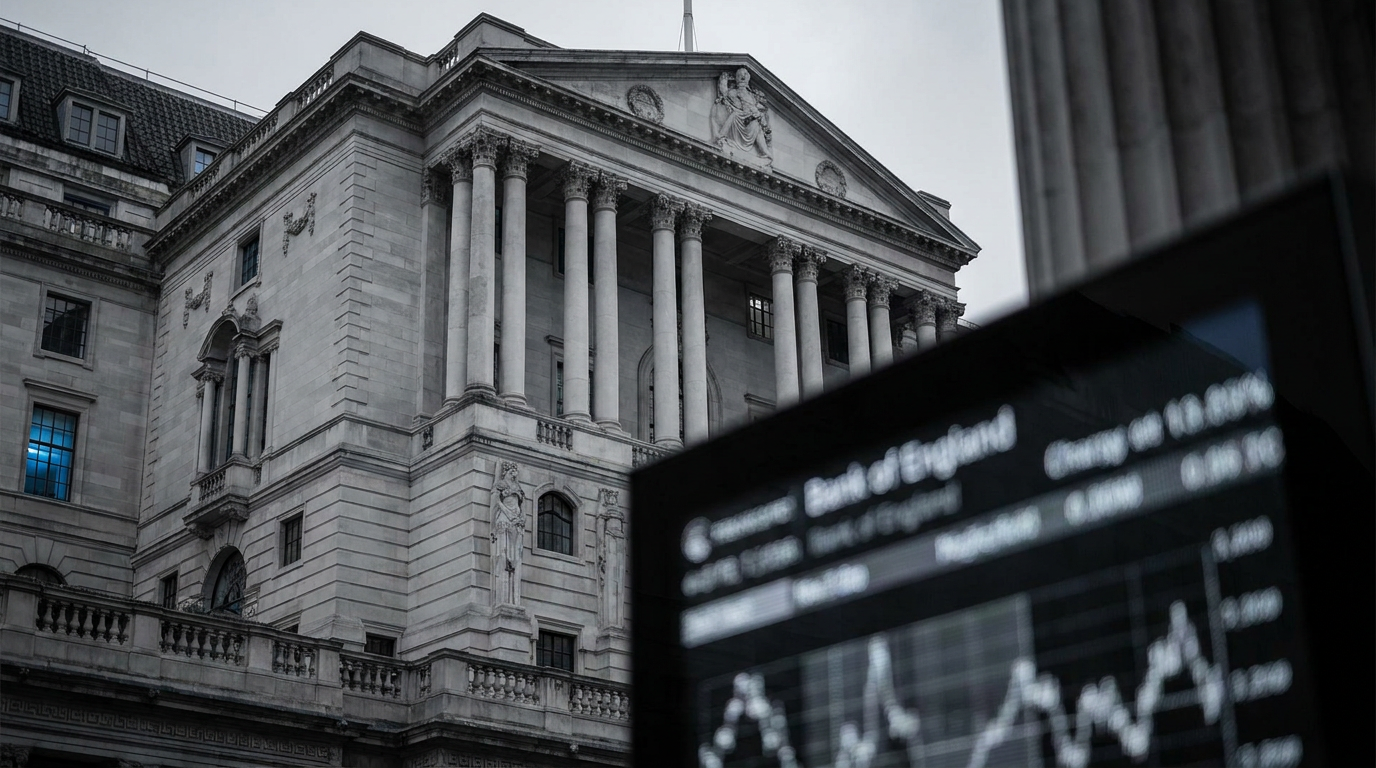
The Bank of England (BoE) on Monday issued a public warning about the increasing number of AI-generated scams, specifically highlighting deepfake videos that portray its Governor, Andrew Bailey, in fabricated situations. This alert comes after deepfake content circulated on social media platforms, including X, showing Bailey in a staged confrontation with politician Nigel Farage.
Governor Bailey urged the public to be cautious of these deceptive materials and noted a rise in fake advertisements impersonating central banks. The deepfake videos depicted Farage and Bailey in a violent encounter, with some versions showing Farage armed, within a Question Time studio setting. These incidents demonstrate the growing sophistication of AI in creating realistic but fraudulent content.
Regulatory Challenges in Combating Deepfakes
The BoE has contacted Reform UK, Farage's political party, and social media platforms to request the removal of these deepfakes. While the UK's Online Safety Act contains provisions to combat fraudulent advertising, the relevant obligations for technology platforms are not set to begin until next year. This regulatory gap allows for the continued spread of such AI-generated misinformation, which is designed to exploit the public.
Broader Implications for Financial Stability
The Bank of England's warning about AI-generated scams, particularly deepfakes involving its Governor, indicates a growing threat to financial stability and public trust. This situation may prompt other central banks and regulatory bodies worldwide to issue similar alerts and enhance their cybersecurity measures. The spread of sophisticated AI-driven disinformation could severely erode confidence in official communications and financial institutions, creating opportunities for fraud and market manipulation.
A significant risk stems from the current delay in regulation, as seen with the delayed implementation of the UK's Online Safety Act, which provides an opening for malicious actors to refine their tactics and exploit societal vulnerabilities. However, this challenge could also accelerate international cooperation on AI governance and digital identity verification, potentially leading to more robust frameworks for online security and accountability. The immediate future suggests a period of increased vigilance and reactive measures until comprehensive, globally coordinated strategies can effectively address the rapidly evolving landscape of AI-powered deception.