US Set to Sanction Iran Banks Amidst Oil Export Tensions
The US plans to announce new bank sanctions against Iran this week, intensifying pressure on Tehran as oil markets monitor Persian Gulf export risks.
Mateo Fernandez ·
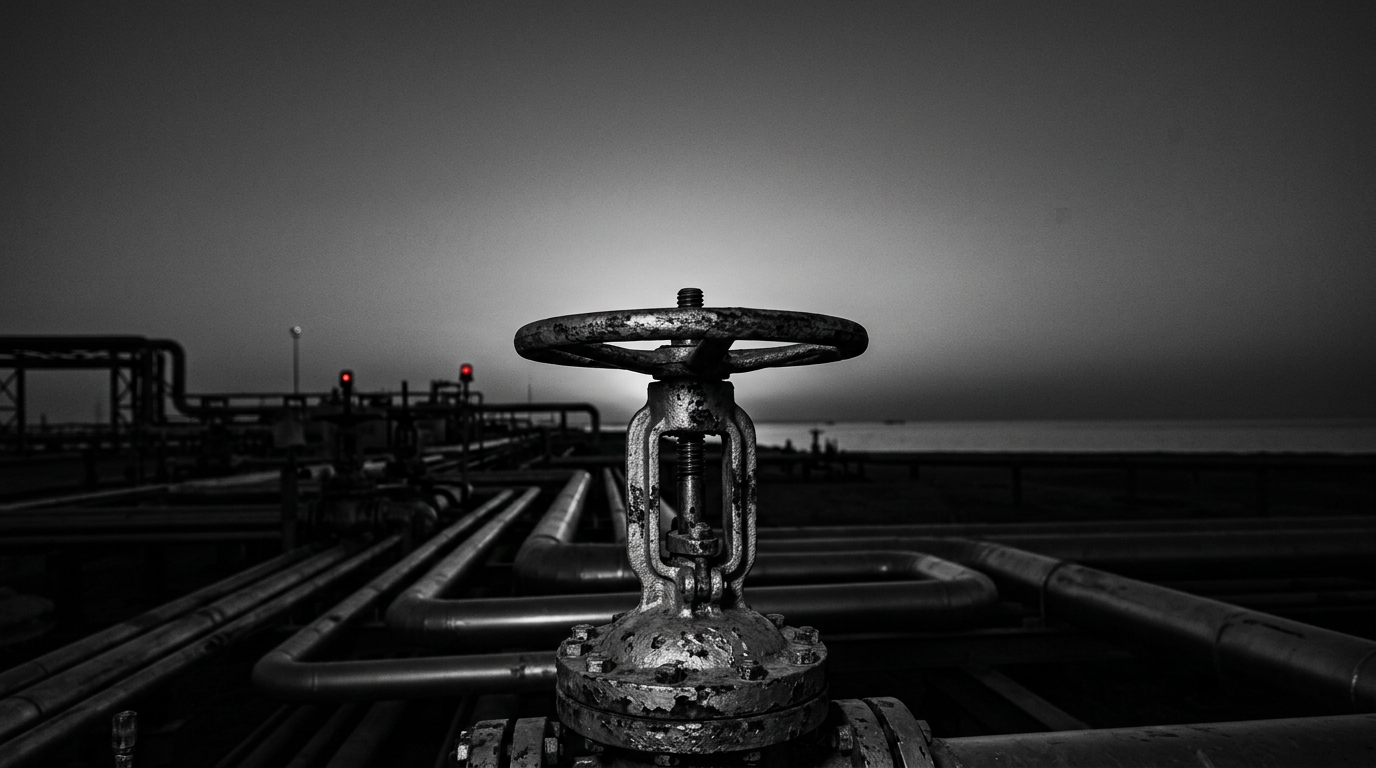
Washington is preparing to unveil additional bank sanctions against Iran this week, a move announced by US Treasury Secretary Scott Bessent. This escalation aims to increase economic pressure on Tehran, coinciding with heightened concerns in global oil markets regarding potential disruptions to Persian Gulf exports.
Oil prices have reacted to recent direct attacks and incidents involving tankers, reflecting a growing risk premium. While specific price movements were not detailed, the underlying tension points to energy supply risk as a primary concern for the global macroeconomic outlook, rather than current production figures.
Economic Pressure and Iranian Response
Secretary Bessent stated that the United States intends to "economically asphyxiate" Iran's leadership, according to officials familiar with the discussions. In response, Iranian officials have maintained a defiant stance, asserting that Tehran would leverage all available capabilities to counter any increased pressure.
A significant threat from Iran has been its warning to prevent oil exports from the Persian Gulf should international pressure intensify. Such a move would directly impact global shipping flows and dramatically elevate insurance costs, placing these factors at the forefront of market reactions to the geopolitical situation.
Potential Scope of Sanctions and Market Implications
Details regarding the specific banks targeted by the potential sanctions remain undisclosed. It is also unclear whether these measures would exclusively affect Iranian institutions, extend to foreign counterparties, or both. The scope of these sanctions will significantly influence their practical impact.
Should the sanctions be limited to named banks and shipping lanes remain open, the primary effects might be concentrated on compliance costs and an increased oil risk premium. However, any escalation, such as a rise in tanker incidents or Iran's active obstruction of exports, could lead to higher freight, insurance, and crude oil costs. These increases would inevitably feed into inflation-sensitive markets globally.
For Iran, the immediate corporate-level impact would likely be on its banking system. Sanctioned lenders would face tighter restrictions on accessing international settlement channels and engaging with foreign counterparts. The broader energy sector, including refiners, tanker operators, and insurers, would also be compelled to factor in the elevated risk of new disruptions to Gulf oil flows.
Forward Outlook and Key Indicators
The timeline for these developments includes watching whether the US Treasury officially names sanctioned banks before September 6, 2026. Equally critical will be observing the nature of Tehran's response, specifically whether it remains rhetorical or translates into concrete actions affecting shipping enforcement in the Persian Gulf. The interplay between these diplomatic and operational factors will shape the immediate future of oil markets and regional stability.
Historical Context of Sanctions
US sanctions against Iran have a long history, stemming from various geopolitical disputes, including Iran's nuclear program and its support for regional proxy groups. These measures typically aim to isolate Iran financially and economically, limiting its access to international banking and trade. Previous sanctions have targeted Iran's central bank, its oil sector, and individuals or entities involved in proliferation activities.
The anticipated sanctions this week represent another layer in this ongoing strategy, designed to restrict Iran's revenue streams and influence its policy decisions. Such actions often lead to a ripple effect, increasing operational costs for companies engaging with Iran and prompting a re-evaluation of risk by global financial institutions.
Global Market Considerations
The Persian Gulf is a vital artery for global oil supply, with a significant portion of the world's crude passing through its choke points, most notably the Strait of Hormuz. Any threat to this passage, whether direct or indirect, immediately reverberates through energy markets, affecting prices and supply security for consuming nations worldwide. The geopolitical tensions in this region thus have profound implications for global economic stability and energy policy decisions.