US Oil Chiefs Warn Trump on Iran Energy Crisis
US oil executives warned the Trump administration last week about an escalating energy crisis from Iran tensions, citing Strait of Hormuz risks.
Lauren Collins ·
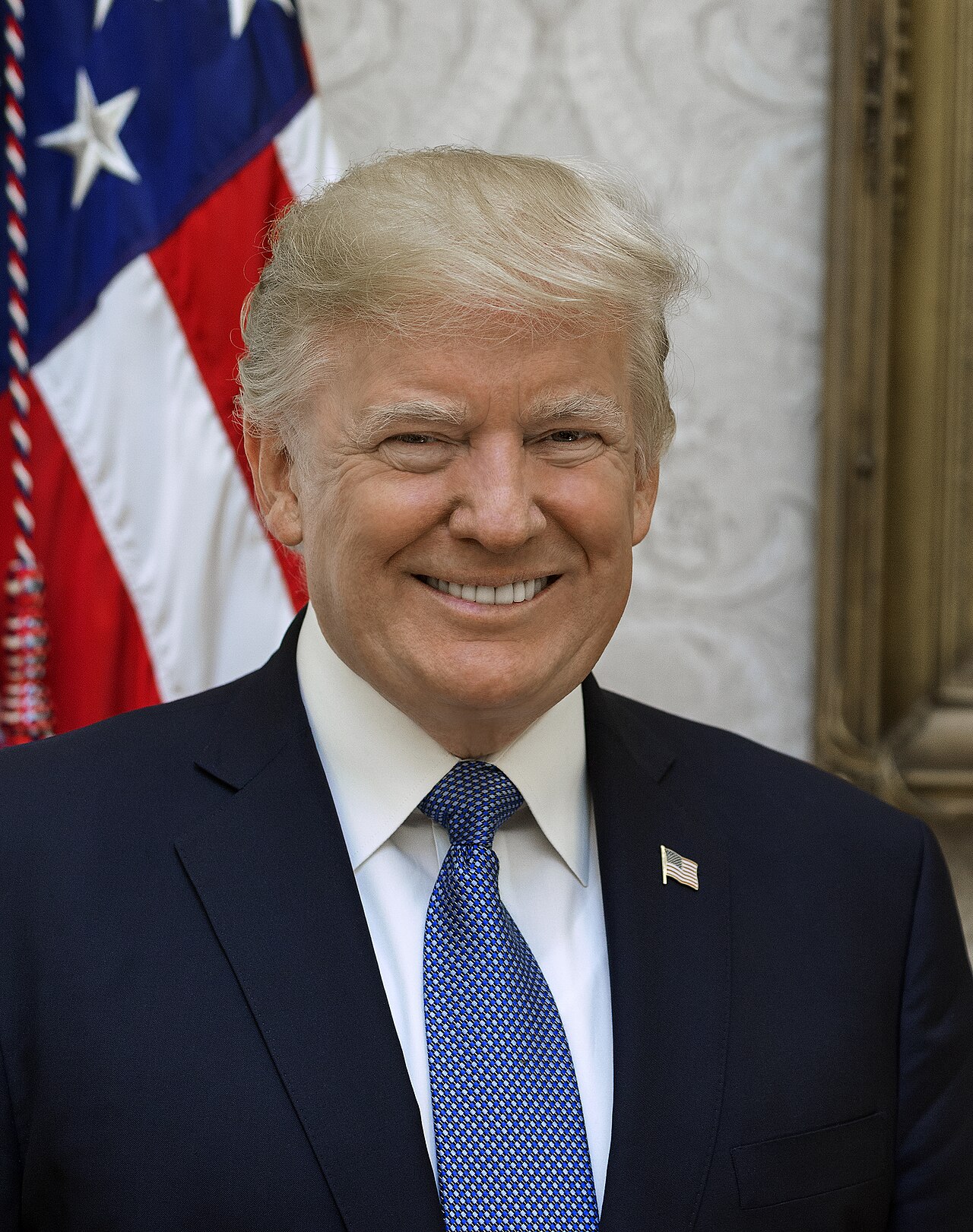
Senior executives from leading U.S. oil corporations, including ExxonMobil, Chevron, and ConocoPhillips, recently cautioned the Trump administration regarding a potential escalation of the energy crisis linked to ongoing tensions with Iran. These warnings were communicated during White House meetings and separate discussions with Energy Secretary Chris Wright and Interior Secretary Doug Burgum last Wednesday, according to a report by The Wall Street Journal on Sunday, March 15, 2026.
Geopolitical Risks to Global Supply
The oil industry leaders emphasized that any disruptions to energy transit through the Strait of Hormuz would likely sustain significant volatility across global energy markets. This assessment underscores the persistent influence of Middle Eastern geopolitical dynamics on international oil prices and the stability of global supply chains.
Strategic Importance of the Strait of Hormuz
The Strait of Hormuz is a critical maritime chokepoint, connecting the Persian Gulf to the open ocean. Approximately one-fifth of the world's total petroleum consumption, including a substantial portion of liquefied natural gas (LNG), passes through this narrow waterway daily. Its strategic importance makes it a focal point for geopolitical tensions, particularly concerning Iran, which borders the strait.
Historical Context of Regional Tensions
Historically, periods of heightened political friction in the Middle East have often correlated with increased oil price volatility. Past incidents involving maritime security in the Persian Gulf have demonstrated the immediate impact on global energy markets, leading to price spikes and concerns over supply continuity. The current warnings from oil executives reflect a similar apprehension regarding the potential for renewed or intensified disruptions.
Economic Implications for the US and Allies
An exacerbated energy crisis would have broad economic implications, potentially leading to higher fuel costs for consumers and businesses, increased inflationary pressures, and a dampening effect on global economic growth. For the United States and its allies, ensuring the free flow of oil through the Strait of Hormuz is a key national security and economic interest.
Government and Industry Dialogue
The dialogue between major oil companies and the U.S. government highlights the private sector's role in informing national security and economic policy, particularly in sectors as critical as energy. These discussions aim to assess risks and potentially formulate strategies to mitigate the impact of geopolitical events on energy supplies.
Outlook on Market Stability
The ongoing situation suggests that global oil markets will remain sensitive to developments in the Middle East. Traders and analysts will closely monitor diplomatic efforts, military postures, and any incidents that could affect shipping lanes, as these factors directly influence crude oil benchmarks like Brent and WTI.
Implications
Country Impact: The United States faces potential economic headwinds from higher energy prices, impacting consumer spending and industrial costs. National security interests are heightened due to the critical importance of Middle Eastern oil flows.
Industry Impact: The global oil and gas industry anticipates continued market volatility and supply chain risks, potentially affecting investment decisions and operational strategies. Shipping and logistics sectors face increased insurance premiums and operational challenges in the region.
Market Impact: Global energy markets are likely to experience sustained price volatility for crude oil and natural gas. Investors may shift towards energy hedges or safe-haven assets amidst geopolitical uncertainty, impacting equity and bond markets.