Trump Urges China on Hormuz Security, NATO Action
President Trump urges China to secure the Strait of Hormuz, warns NATO allies, and hints at delaying a summit with Xi Jinping.
Lauren Collins ·
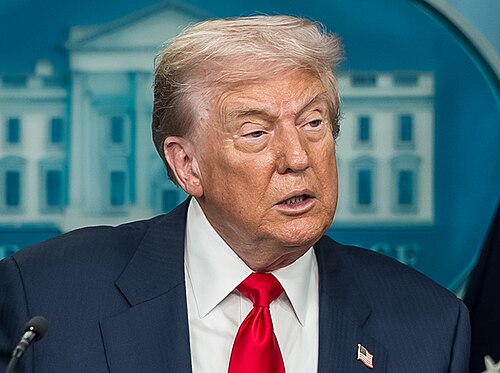
U.S. President Donald Trump has called upon China to contribute to the security of the Strait of Hormuz, emphasizing Beijing's significant reliance on the waterway for oil imports. The President's remarks, published on Sunday, March 15, 2026, also included a warning to NATO allies regarding potential negative consequences if they fail to assist in reopening the critical maritime passage.
Trump indicated that a planned summit with Chinese President Xi Jinping might be postponed pending clarification of China's position on the Strait's security. This diplomatic maneuver follows Iran's effective closure of the Strait of Hormuz approximately two weeks prior, a response to earlier U.S. and Israeli military actions in the region.
Global Energy Transit Disrupted
The Strait of Hormuz is a vital chokepoint, through which roughly one-fifth of the world's oil and liquefied natural gas (LNG) typically transits. Its closure has significant implications for global energy markets and international trade. President Trump specifically highlighted that China receives 90% of its oil supplies via this route, underscoring its direct economic interest in the Strait's navigability.
Call for International Naval Deployment
President Trump urged several nations, including China, France, Japan, South Korea, and the United Kingdom, to deploy naval assets such as warships and minesweepers. The objective of such a deployment would be to counter threats like drones and naval mines, which have contributed to the Strait's current closure. This call for international military cooperation aims to restore safe passage through the strategic waterway.
Criticism of UK Response and Iran Warning
The U.S. President also voiced criticism regarding the United Kingdom's initial reluctance to deploy naval vessels when requested. This highlights a potential divergence in strategic responses among allies to the escalating situation. Furthermore, Trump issued a direct warning of potential U.S. military strikes against Iran's Kharg Island, the country's primary oil export terminal, if deemed necessary to address the crisis.
Diplomatic Efforts Underway
Amidst these geopolitical tensions, diplomatic efforts are proceeding. U.S. Treasury Secretary Scott Bessent and Chinese Vice Premier He Lifeng concluded preliminary trade discussions in Paris on the same Sunday. These talks are intended to lay the groundwork for a prospective meeting between President Trump and President Xi, suggesting an ongoing effort to manage broader U.S.-China relations despite the immediate crisis in the Persian Gulf.
Strategic Implications for Global Trade
The situation in the Strait of Hormuz carries profound strategic implications for global trade and energy security. The U.S. administration's push for international involvement underscores the shared economic interests of major powers in maintaining open shipping lanes. The potential for military escalation, coupled with ongoing diplomatic engagements, indicates a complex and evolving geopolitical landscape in the Middle East and beyond.
Implications
Country Impact: The U.S. is pressuring allies and rivals to share the burden of maritime security, potentially straining diplomatic relations with nations like the UK. China faces a dilemma between securing its energy supply and navigating complex geopolitical demands.
Industry Impact: Global energy markets, particularly oil and LNG, face significant volatility and supply chain disruptions due to the Strait's closure. Shipping and insurance industries will likely see increased costs and risks for transit through the region.
Market Impact: Increased geopolitical risk could lead to higher crude oil prices and potentially impact global equity markets. Investors may shift towards safe-haven assets amidst heightened uncertainty in the Middle East.