US mortgage rates rise to 7.12% as applications slip again
US mortgage rates rose to 7.12%, the highest since May 2024, as applications weakened and Treasury-linked borrowing costs stayed elevated.
Jurgen Goldmeier ·
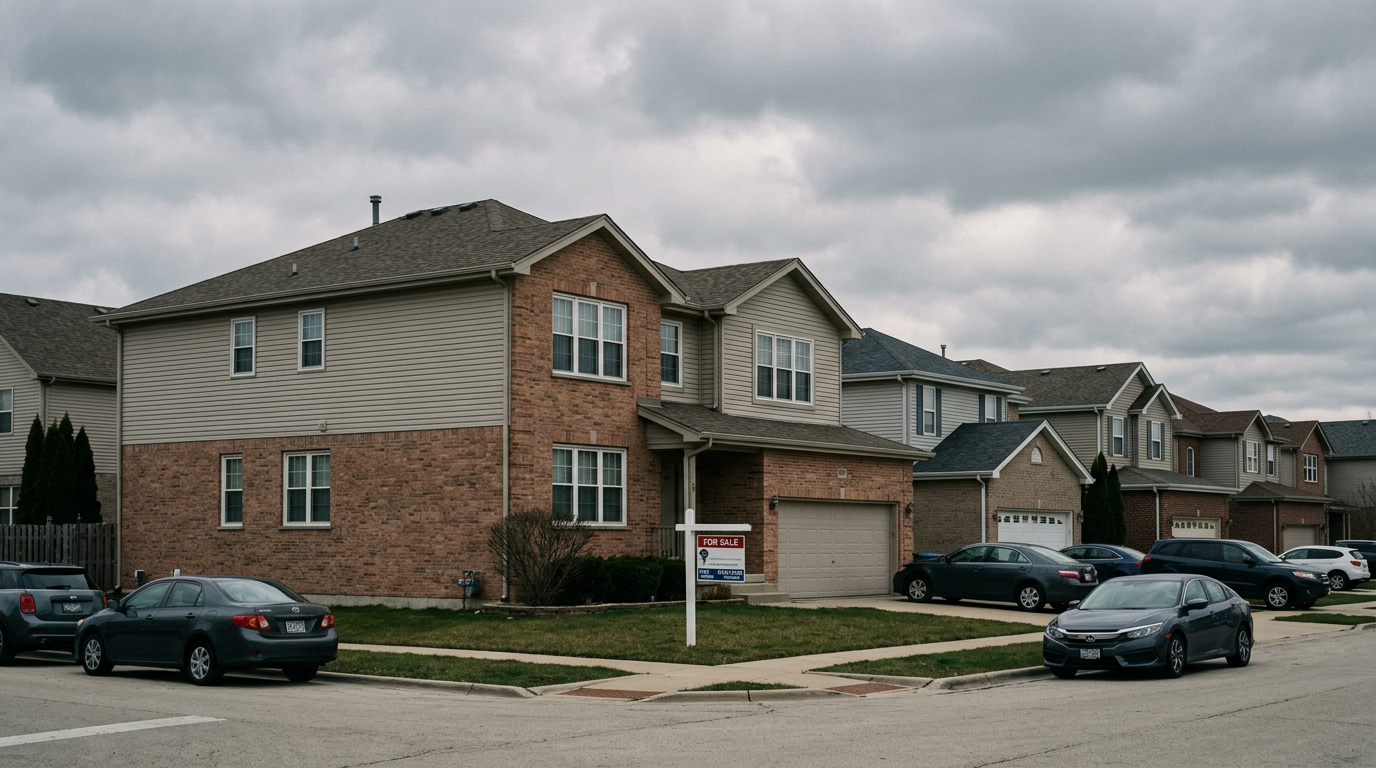
US mortgage rates rose to 7.12%, the highest since May 2024, the Mortgage Bankers Association said, testing buyer demand.
The contract rate on a 30-year fixed mortgage climbed 15 basis points in the week ended Sept. 18, MBA data released Wednesday showed. The five-year adjustable-rate mortgage moved the other way, falling 13 basis points to 6.1%.
Loan demand weakened alongside the rise in the main fixed rate. The MBA purchase index fell 0.8% to a four-week low, while its refinancing gauge dropped 2.6% to the lowest level since February 2025.
A 7% threshold returns
Mortgage costs have trended higher since February, when the Iran war was followed by higher energy prices and renewed inflation concerns. The Federal Reserve last week raised its benchmark interest rate for the first time since 2023, citing an effort to contain price pressures.
The pressure on housing finance is tied to the 10-year US Treasury yield, a benchmark that mortgage rates often track. Borrowing costs could remain elevated if that yield stays near levels described in the market as close to the highest in almost two decades.
Nationwide expects mortgage rates to remain around 7% at least through the end of this year. Daryl Fairweather, chief economist at Redfin, said, "Seven percent is significant simply because of the psychological effect of people seeing that number be the first digit."
Prices keep buyers pinned
The rate increase lands in a market where affordability was already strained. Home prices climbed during the low-rate period and have stayed high, according to data from the National Association of Realtors, the Census Bureau and the Department of Housing and Urban Development.
Sales of previously owned homes fell in August to the weakest pace in more than a year, according to the National Association of Realtors. Builder confidence this month matched its lowest level since late 2022 as higher financing costs discouraged buyers and materials and fuel costs lifted expenses.
The labor market inside housing has softened as well. Residential construction employment peaked in September 2024 and has generally moved lower since then, according to the employment data cited with the housing figures.
Ben Ayers, senior economist at Nationwide, said, "The housing market is clearly in a recession by itself, but it’s probably not deep enough or going to be long enough to draw the whole rest of the economy back into a recession."
Three paths for housing
If the 10-year Treasury yield holds near recent highs, mortgage rates would be likely to stay near 7%, consistent with Nationwide’s year-end view. That path would keep US housing a weak channel for domestic demand; for Redfin, fewer transactions would weigh on listing and brokerage activity; for builders, incentives and slower hiring could persist.
If yields ease and lenders pass through lower funding costs, purchase applications could stabilize before sales do. That would reduce one drag on US consumption, give Redfin and other housing platforms more transaction volume, and allow builders to test demand without cutting prices as aggressively.
If energy, materials or inflation pressures rise again, the Fed may face less room to reduce borrowing costs. The open question is whether mortgage rates stay above the 7% threshold long enough to turn weak affordability into a deeper pullback in sales, construction payrolls and housing-linked spending.