Senate blocks crypto bill as Trump ethics fight deepens
The crypto bill missed the Senate's 60-vote threshold, delaying federal digital-asset rules and exposing splits over ethics, banks and stablecoins.
Jason Kwon ·
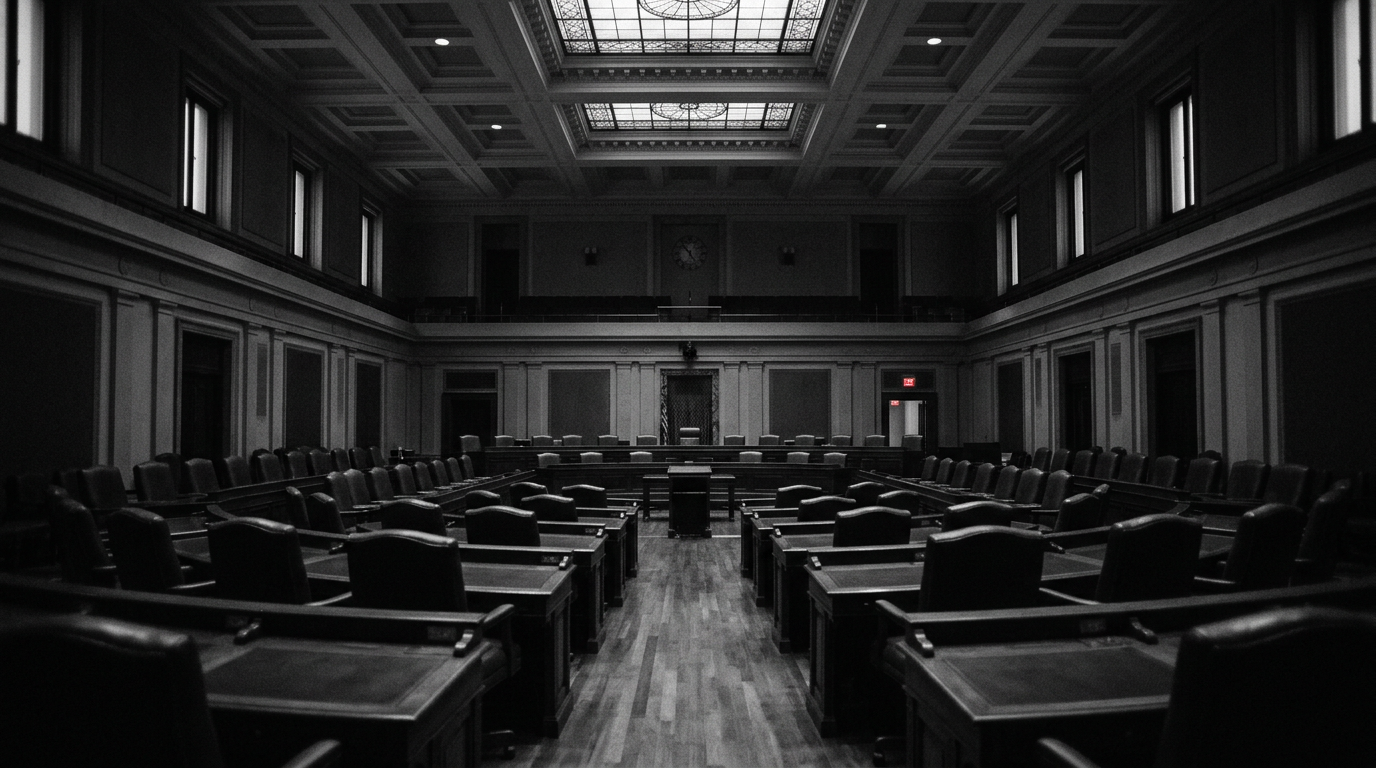
The crypto bill failed to advance in the Senate after missing the 60-vote threshold, leaving US digital-asset oversight split across agencies.
The blocked measure, the Digital Asset Market Clarity Act, ran more than 600 pages and was designed to create the first broad federal rulebook for digital-asset markets. A House version passed last year, and a Senate committee moved the bill forward on a bipartisan vote in May.
The legislation would have divided supervision mainly between the Securities and Exchange Commission and the Commodity Futures Trading Commission. Supporters said that structure would replace a shifting agency-by-agency approach with rules that crypto exchanges, token issuers and customers could price into business decisions.
Sixty votes block debate
The Senate vote ended months of talks between Republicans and Democrats over how far Congress should go in defining crypto markets and policing political conflicts. Republicans attempted late revisions before the vote, but the changes did not deliver the 60 votes needed to open debate.
Wyoming Senator Cynthia Lummis, a leading Republican backer, said the final draft included more than 120 changes sought by Democrats. With November 3 midterm elections approaching, the calendar leaves little room for a fresh Senate attempt before a new Congress convenes.
Trump interests sharpen ethics fight
Democrats focused much of their opposition on President Trump's crypto interests and the enforcement structure attached to the bill. Financial disclosures put President Trump and his family’s income from crypto ventures above $1 billion in 2025, a figure that made ethics provisions central to the floor fight.
Massachusetts Senator Elizabeth Warren, the top Democrat on the Senate banking committee, said the bill carried "massive risks to families, our national security, and our economy." She also argued the proposal could increase President Trump's ability to profit from digital-asset businesses while in office.
Republicans said their final text added curbs on elected officials issuing cryptocurrencies, requirements tied to some holdings and stronger powers for state attorneys general. Democrats countered that the restrictions left loopholes and gave too much enforcement discretion to officials appointed by President Trump.
Stablecoin rewards alarm banks
Community banks also pressed against provisions that would allow rewards on stablecoin holdings. Their argument was mechanical: if stablecoins can pay rewards, deposits may move out of smaller banks and reduce credit available to farmers, small businesses and local borrowers.
Several Republican senators also expressed concern about the stablecoin language, weakening the party’s ability to hold together a majority. The bank fight turned the bill from a crypto-market structure measure into a broader contest over deposit funding and payments competition.
The crypto industry entered the vote after years of negotiations, heavy lobbying and hundreds of millions of dollars in political spending. Its failure to win final Senate momentum shows how hard it remains to convert Washington access into statutory certainty when banking, ethics and consumer protection collide.
Bitcoin trades after the vote
Bitcoin, the largest cryptocurrency by market value, fell around 5% to $75,039 on Tuesday after the bill stalled. The move left traders with the same federal ambiguity that has shaped crypto risk pricing across changing administrations.
The White House had supported the bill, casting digital assets as part of a technology race in which US rules could affect where companies build. Without legislation, federal agencies remain the main channel for enforcement and rule interpretation, a setup the industry has long argued is too unstable.
The defeat also lands as Congress weighs artificial intelligence safeguards, another technology area where lawmakers are split between risk controls and innovation arguments tied to China. Crypto had a funded industry, years of hearings and a narrower market structure problem; AI regulation is broader and technically harder to define.
If Senate leaders revive the bill after the elections, the path will likely depend on narrower ethics language and a settlement over stablecoin rewards. That route would affect the macro picture through bank liquidity and capital formation, give crypto firms clearer agency boundaries, and force banks to compete against regulated digital-dollar products.
If the measure stays shelved, agencies will keep setting the practical limits through enforcement and guidance rather than statute. That would leave crypto companies with higher legal uncertainty, preserve community banks’ near-term deposit defense, and keep US digital-asset policy exposed to reversals after elections.