US Military Actions Escalate After Iranian Aggression
The US military initiated new airstrikes against Iran, responding to the downing of a US Army Apache helicopter and escalating regional tensions.
Lauren Collins ·
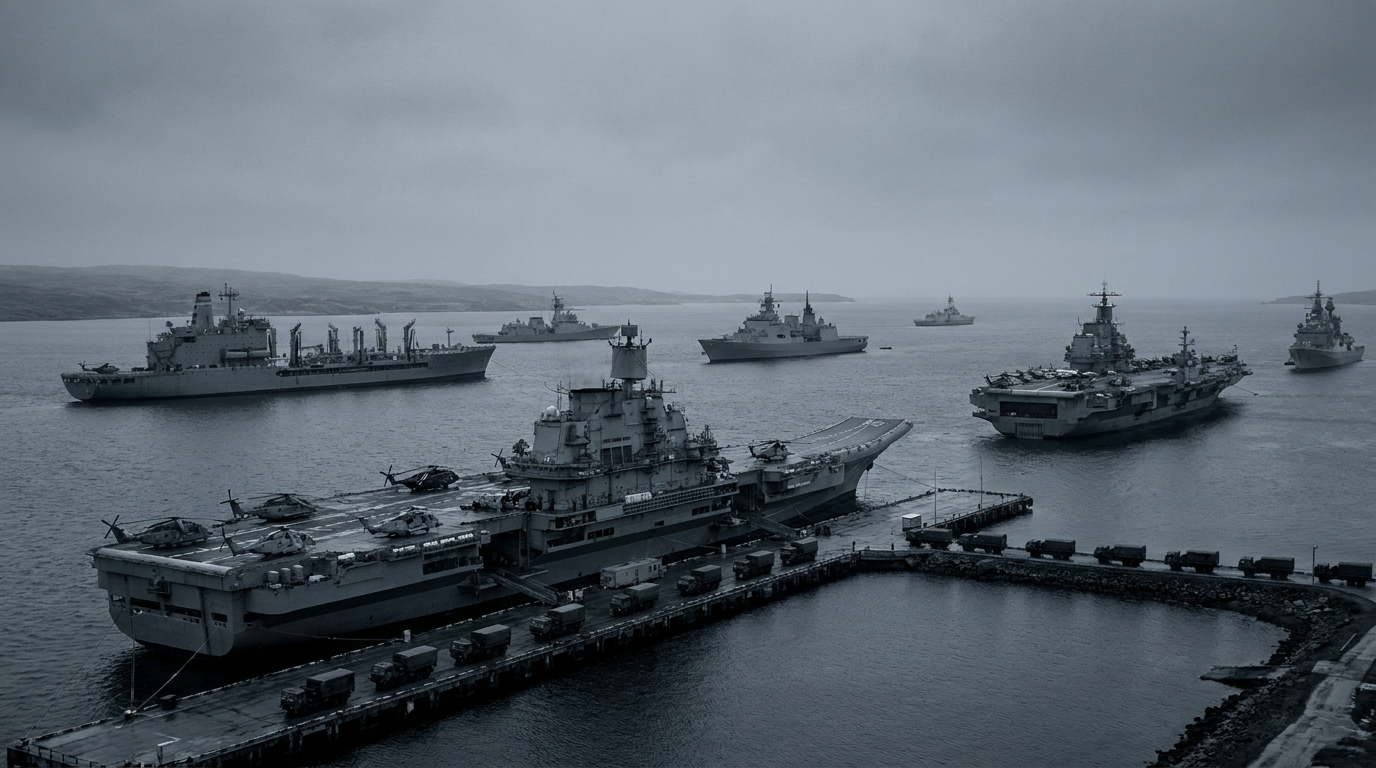
The United States military has conducted new airstrikes against targets in Iran, following President Donald Trump's pledge of retaliation. These actions come hours after an American Army Apache helicopter was reportedly shot down by Iranian forces.
US Central Command (CENTCOM) confirmed the strikes began at 5 PM ET, stating they were executed under the Commander-in-Chief's directive. CENTCOM characterized the operation as a measured response to what it labeled "unjustified Iranian aggression.", marking a significant escalation in ongoing hostilities.
Escalating Tensions and Fragile Truce
The scope of the recent military actions remains unclear, but they further jeopardize an already precarious ceasefire agreement established in April. Both the United States and Iran have engaged in multiple exchanges of attacks in recent days, even as President Trump signaled the potential for a peace deal.
This truce has also been strained by ongoing clashes between Israel and Iran, particularly concerning developments in Lebanon. Israeli forces are currently engaged with Hezbollah militants, who are backed by Tehran, adding another layer of complexity to the regional conflict.
Earlier this month, drone strikes attributed to Iran targeted Kuwait and Bahrain, highlighting a broader pattern of regional destabilization. These incidents underscore the persistent challenges in maintaining any semblance of peace.
Diplomatic Hurdles Amidst Economic Pressure
Despite repeated assertions from President Trump and other officials about an impending resolution, negotiations have shown little progress. The crucial Strait of Hormuz remains closed, contributing to persistently high global energy prices.
This prolonged closure places considerable economic pressure on the White House to find a pathway to de-escalation. The ongoing conflict underscores the difficulty of achieving a diplomatic breakthrough when military actions continue to heighten tensions.
The current situation reflects a cycle of action and reaction, where military incidents complicate diplomatic efforts. The immediate future suggests continued uncertainty regarding regional stability and energy markets.