Judge Halts Trump's Somali TPS Termination
Federal court in Boston temporarily blocks Trump administration's decision to end TPS for 1,100 Somali nationals. Ruling issued on...
Lauren Collins ·
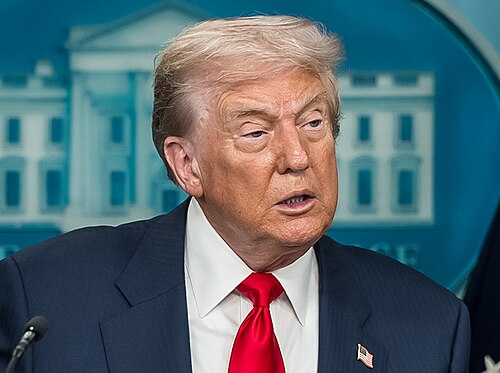
A U.S. federal court in Boston has temporarily blocked the Trump administration's decision to terminate Temporary Protected Status (TPS) for approximately 1,100 Somali nationals. The ruling, issued on Friday by Judge Allison Burroughs, postpones the effective date of the termination, which was scheduled for March 17. This judicial intervention allows a lawsuit challenging the administration's policy to proceed.
The Department of Homeland Security (DHS) had moved to end TPS for Somalia, a measure that would affect individuals who have resided in the U.S. under this protected status. The court's decision cited the significant potential consequences for those impacted, including risks of detention, deportation, and family separation.
Legal Challenge to TPS Policy
The lawsuit was initiated by four Somali individuals alongside advocacy organizations, including African Communities Together and the Partnership for the Advancement of New Americans. These plaintiffs argue that the administration's decision to revoke TPS was procedurally flawed and motivated by discriminatory intent, rather than an objective assessment of conditions in Somalia.
They highlighted previous statements made by then-President Trump concerning Somali immigrants as evidence of this alleged bias.
Conversely, the Department of Homeland Security characterized the court's order as an instance of judicial overreach. DHS maintained that the ruling impedes the administration's efforts to implement reforms within the U.S. immigration system, aligning with its broader agenda to curtail various immigration programs.
Broader Context of TPS Terminations
This case is part of a larger pattern of the Trump administration's attempts to end TPS designations for numerous countries. Over the past few years, the administration sought to terminate TPS for a dozen nations, leading to a series of legal challenges across the federal judiciary. These efforts have generated significant controversy and have been met with resistance from immigrant rights groups and some legislative bodies.
The U.S. Supreme Court is currently reviewing other cases related to TPS terminations. Specifically, the high court is considering whether to overturn lower court injunctions that have prevented the termination of TPS for an estimated 350,000 Haitian nationals and 6,000 Syrian nationals. The outcomes of these cases will have far-reaching implications for hundreds of thousands of individuals and will further define the scope of executive authority in immigration matters.
Implications for Immigration Policy
The temporary injunction for Somali TPS holders underscores the ongoing legal battles surrounding the program. The TPS designation provides temporary lawful status to foreign nationals from countries experiencing armed conflict, environmental disaster, or other extraordinary conditions. Critics of the Trump administration's approach argued that ending TPS for countries still facing instability would endanger individuals and destabilize communities both in the U.S. and abroad.
This judicial block ensures that the affected Somali individuals will retain their protected status while the legal proceedings unfold. The case highlights the tension between executive branch immigration policies and judicial oversight, particularly concerning humanitarian protections. The final resolution of this and similar cases will significantly shape the future of U.S. immigration policy and the fate of many long-term residents.