Texas Antifa Members Convicted in Detention Center Attack
Nine Antifa members were convicted in Texas for a 2025 attack on an ICE detention center, marking a significant federal action.
Lauren Collins ·
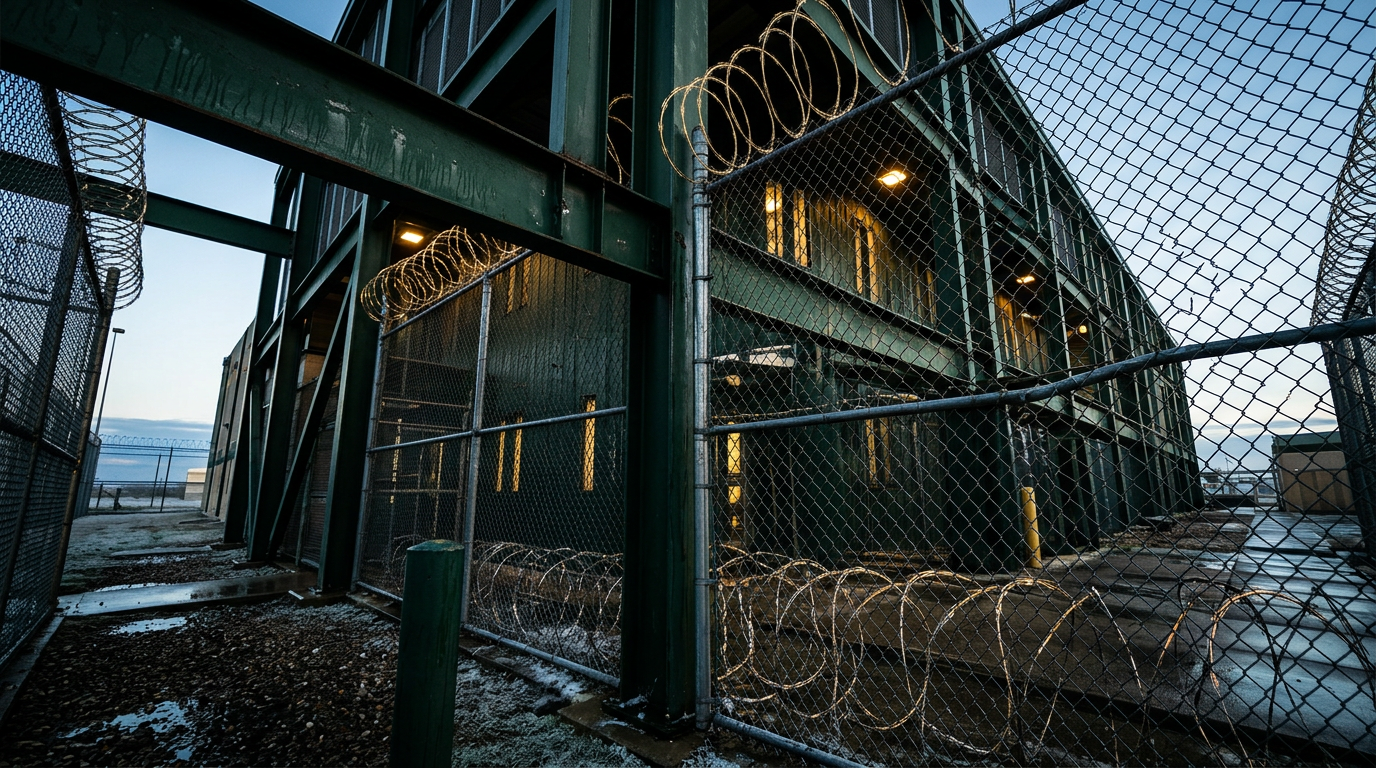
A federal jury in Fort Worth, Texas, has convicted nine individuals identified as members of a North Texas Antifa cell. The convictions, handed down on March 13, 2026, stem from their participation in a violent assault on the Prairieland ICE Detention Center on July 4, 2025. This legal outcome represents a significant federal action against a coordinated group accused of domestic extremist violence.
The charges against the nine individuals include rioting, the use of weapons and explosives, providing material support to terrorists, obstruction of justice, and attempted murder of both an Alvarado police officer and correctional officers. The trial, which began on February 23, 2026, lasted 12 days and featured testimony from over 45 witnesses, alongside the presentation of more than 210 pieces of evidence.
This extensive legal process underscored the severity of the incident and the comprehensive nature of the prosecution.
Federal Response to Domestic Extremism
Prior to these convictions, seven other individuals involved in the same incident had already entered guilty pleas. These earlier pleas were specifically for one count of providing material support to terrorists, indicating a broader network of individuals implicated in the attack. The U.S. Attorney for the Northern District of Texas, Ryan Raybould, commented that the jury's verdicts accurately reflect the violent character of the assault.
Attorney General Pamela Bondi publicly characterized Antifa as a domestic terrorist organization, signaling a potential shift in the administration's approach to such groups. This statement suggests a heightened focus on prosecuting individuals associated with Antifa for violent acts. FBI Director Kash Patel reiterated the bureau's commitment to dismantling networks perceived as engaging in domestic terrorism.
Implications for Law Enforcement and Policy
ICE Director Todd M. Lyons emphasized the importance of accountability for those who target federal officers with violence, highlighting the government's resolve to protect its personnel and facilities. The convictions mark a precedent as the first federal indictment specifically targeting a coordinated group of Antifa cell members for violent criminal activity. This case could influence future strategies for addressing domestic extremist groups.
The legal proceedings and subsequent convictions underscore the ongoing challenges faced by law enforcement in monitoring and responding to various forms of domestic extremism. The government's strong stance, as articulated by senior officials, suggests a continued focus on prosecuting individuals and groups deemed to be engaging in violent acts, particularly those targeting federal infrastructure or personnel.
This development is likely to be closely watched by civil liberties organizations and security analysts alike, as it sets a new benchmark for federal intervention in cases involving ideologically motivated violence.
Outlook on Domestic Security
The outcome of this trial could have broader implications for domestic security policy and the classification of certain activist groups. The emphasis on charges like providing material support to terrorists indicates a robust legal framework being applied to these cases. Future actions by federal agencies will likely reflect the precedents set by this conviction, potentially leading to more aggressive enforcement against groups identified as engaging in similar violent activities.
The case also highlights the significant resources dedicated by federal agencies to investigate and prosecute such incidents, reinforcing the government's commitment to maintaining public order and protecting federal assets.
Implications
Country Impact: The convictions could set a precedent for federal prosecution of domestic extremist groups, potentially influencing future law enforcement strategies and legal interpretations of 'material support to terrorists' within the U.S. domestic context. This may lead to increased scrutiny and enforcement actions against organizations deemed to engage in similar violent activities.
Industry Impact: The security industry, particularly those involved in protecting federal facilities and personnel, may see increased demand for advanced security measures and intelligence gathering. Legal and consulting firms specializing in domestic terrorism and civil liberties issues could also experience heightened activity.
Market Impact: While direct market impact is limited, heightened perceptions of domestic instability or increased government spending on security could subtly influence investor sentiment in certain sectors. Companies with federal contracts related to security or surveillance might see minor positive shifts.