U.S. and Iran Trade Strikes as Ceasefire Strains
The U.S. and Iran exchanged military strikes over the weekend, targeting each other's military assets amid ongoing diplomatic efforts and a fragile ceasefire.
Lauren Collins ·
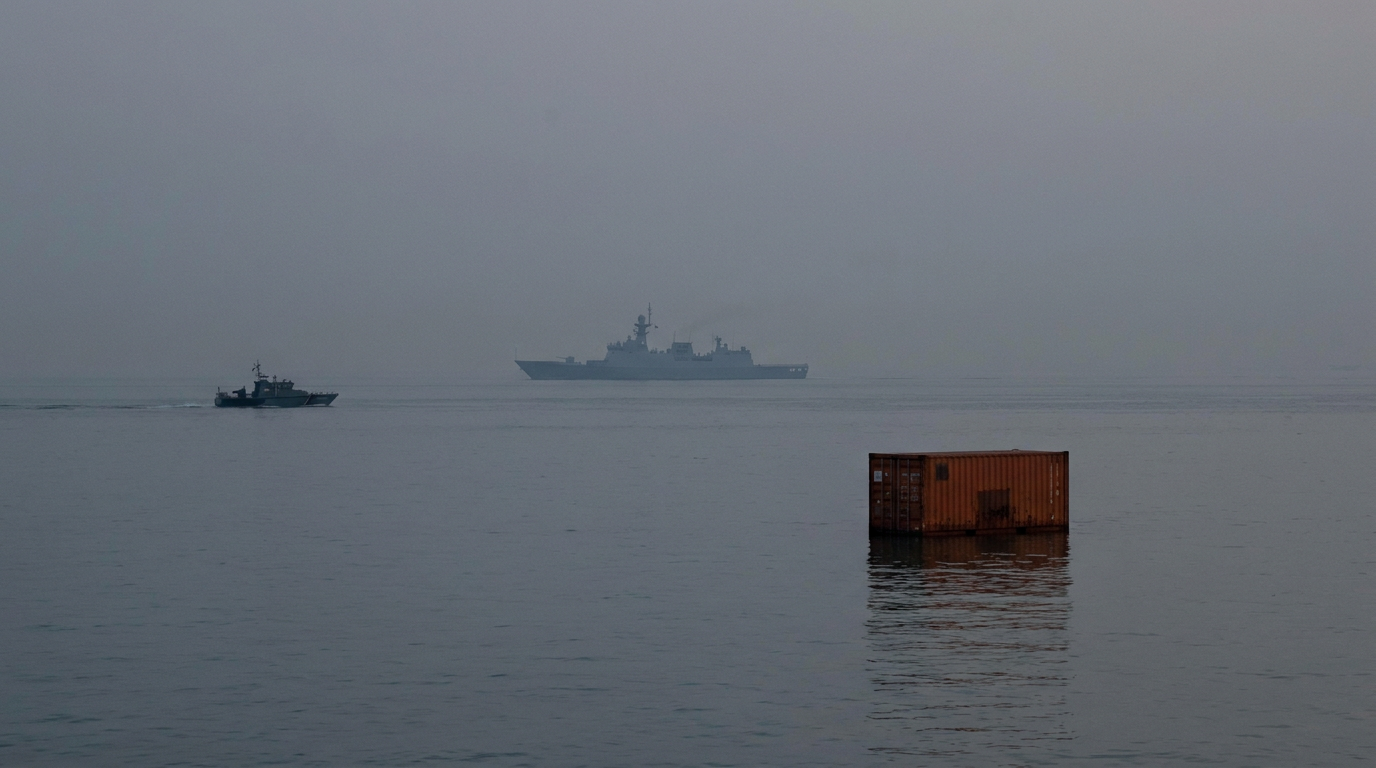
The United States and Iran carried out military strikes against each other over the weekend and into Monday, according to statements from the U.S. military and Iran’s Islamic Revolutionary Guard Corps. The exchange came as the two sides continued diplomatic contacts aimed at reaching a more durable peace agreement. U.S. Central Command said its strikes followed the downing of a U.S. MQ-1 drone operating over international waters and what it described as threats to regional shipping.
In a statement posted late Sunday, U.S. Central Command said it struck Iranian radar and drone sites in Goruk and on Qeshm island on Saturday and Sunday. The command said U.S. aircraft hit Iranian air defenses, a ground control station, and two one-way attack drones.
Iran’s Islamic Revolutionary Guard Corps said Monday it retaliated by targeting a U.S. airbase in the Gulf region. The IRGC said the facility was used in an earlier attack on a telecommunications tower in southern Iran, but it did not specify the base’s location.
Kuwait’s state news agency KUNA reported Monday that the country’s air defenses intercepted missile and drone attacks. The report did not provide details on what was launched or from where.
Iranian Kurdish opposition groups Komala and the Kurdistan Freedom Party (PAK) also reported Iranian missile strikes on their bases in northern Iraq’s Erbil province. The reports were separate from the IRGC statement about a strike on a U.S. base.
Ceasefire violations and maritime pressure
The latest exchange occurred despite a ceasefire that has been in place since April 8, which officials and reports said has been intermittently violated. The confrontations have also played out at sea, with both sides described as carrying out blockades and seizures of vessels in the Strait of Hormuz, a critical route for global energy and trade flows.
Iran’s Ministry of Foreign Affairs spokesman Esmaeil Baghaei said Monday that Tehran has a right to retaliate against regional bases used for attacks against it. He said states have a legal obligation not to allow their territory or assets to be used to attack other countries.
What to watch next
Further details on the location and damage from the reported strikes, as well as any new steps tied to the ceasefire and maritime activity in the Strait of Hormuz, are likely to shape whether diplomacy can proceed without additional escalation.