Cambodia’s King Pardons Opposition Leader Kem Sokha
Cambodian King Norodom Sihamoni pardoned opposition leader Kem Sokha, overturning his 27-year treason sentence, after a request from Prime Minister Hun Manet.
Lauren Collins ·
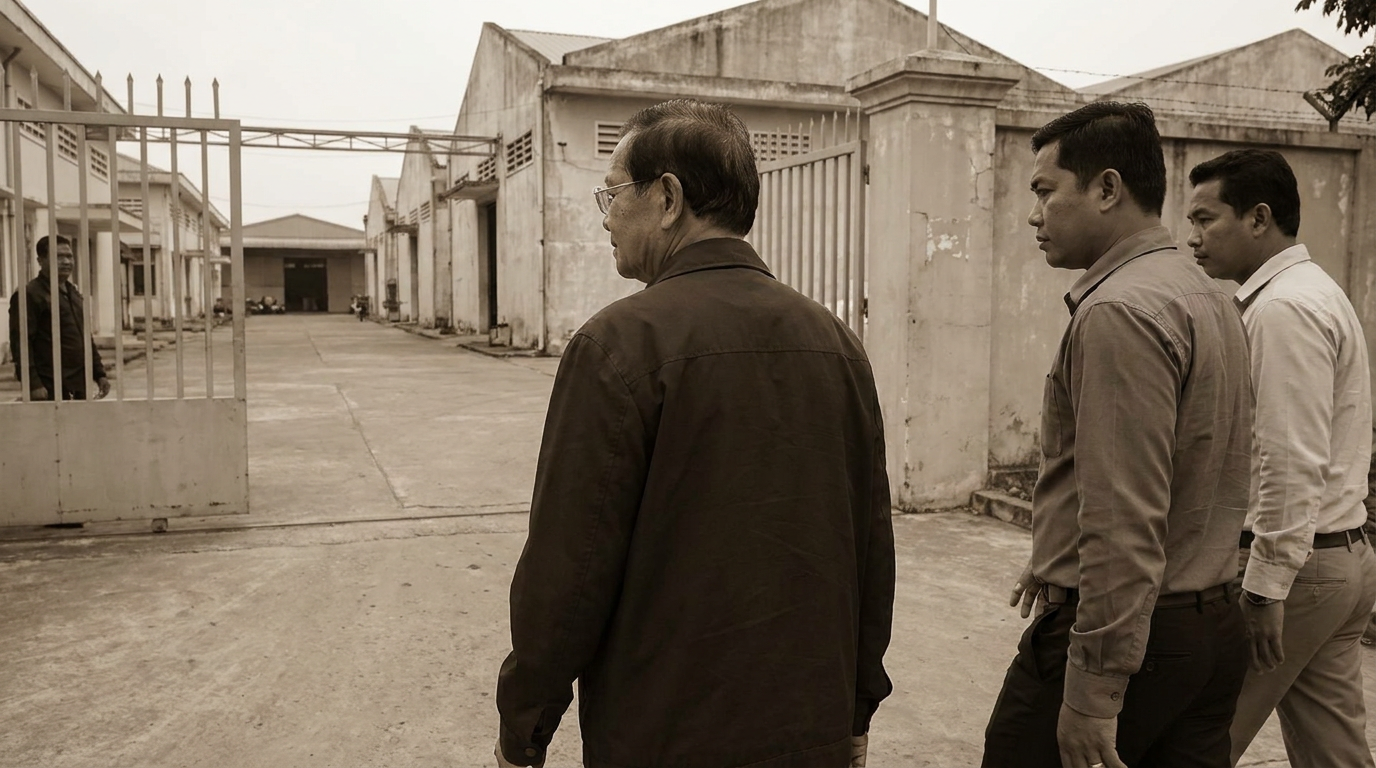
Cambodian King Norodom Sihamoni has granted a royal pardon to opposition leader Kem Sokha, Prime Minister Hun Manet said on Thursday, May 30, 2024. The pardon takes effect immediately and follows a request by Hun Manet to the king. It overturns a 27-year prison sentence for treason that Sokha received in March 2023.
Sokha is the former leader of the Cambodia National Rescue Party (CNRP), once the country’s main opposition force. He was convicted of conspiring with foreign entities to overthrow the government of then-Prime Minister Hun Sen.
The announcement marks a notable development in Cambodia’s domestic politics, where opposition activity has been sharply constrained in recent years. The extent to which the move changes day-to-day political space is unclear.
The CNRP was dissolved in 2017, and many of its members were banned from political activity. The party’s dissolution effectively removed the primary opposition force ahead of the 2018 general election.
What the pardon changes
The pardon allows Sokha to resume political activities. Officials have not detailed what practical limits, if any, may still apply, and there was no immediate indication of whether the decision would affect the broader restrictions imposed on other CNRP figures.
Sokha’s conviction and the dissolution of the CNRP drew international criticism over the state of democracy and human rights in Cambodia. The royal pardon may be seen as an attempt to address some of those concerns, though any longer-term impact on Cambodia’s multi-party system remains uncertain.
Political backdrop in Cambodia
Hun Manet’s statement said the pardon was issued at his request, underscoring the executive’s central role in major political decisions. Hun Sen previously led the government for decades, and the case against Sokha has been closely tied to the government’s approach to dissent.
Attention is likely to focus on whether Sokha re-enters organized politics and whether the broader opposition can operate more freely in the months ahead.