Iranian strikes damaged U.S. bases as ceasefire strains
Iranian attacks have caused billions in damage to U.S. military sites across the Middle East since February, according to a analysis.
Lauren Collins ·
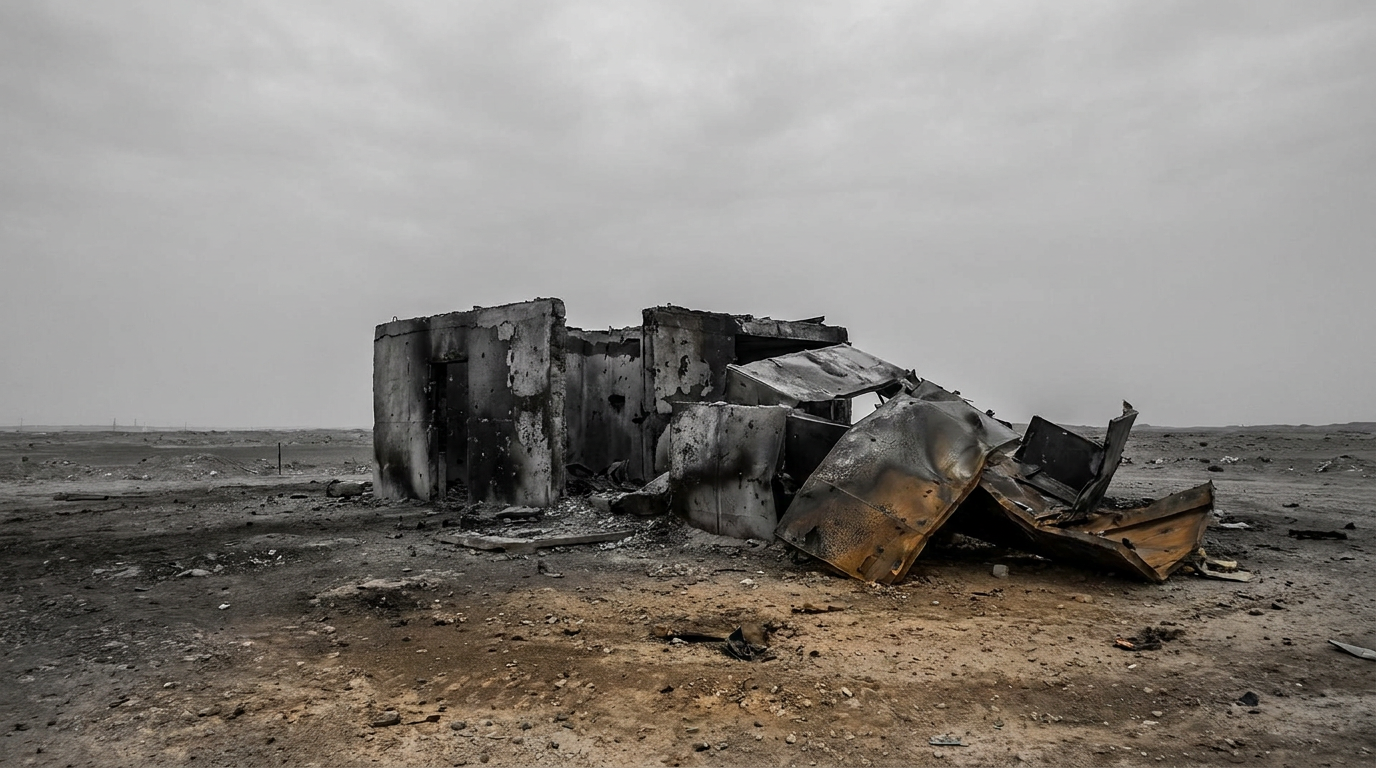
Iranian strikes have caused billions of dollars in damage to U.S. military assets across the Middle East since late February, according to an analysis published Monday, June 1, 2026. The assessment said at least 20, and possibly as many as 28, U.S. military sites across eight countries sustained damage. The findings come as a ceasefire announced in early May has come under strain and Washington and Tehran have not reached terms for a lasting peace.
The analysis said it relied on satellite imagery from international providers, combined with older Planet Labs data, to document damage over several months. It described efforts by the Pentagon to limit public access to new satellite images of the region. Pentagon officials declined to respond to the findings, the analysis said, citing operational security.
Among the assets identified as damaged were three Terminal High Altitude Area Defense (THAAD) anti-ballistic missile batteries in Jordan and the UAE, each valued at about $1 billion. The analysis said the U.S. is known to operate eight THAAD batteries globally, and described the systems as requiring large crews and expensive interceptors.
The assessment also reported heavy damage to refueling and surveillance aircraft in Saudi Arabia. It said fuel storage bunkers, aircraft hangars and troop accommodation in Kuwait were also hit.
Costs and official assessments
The Pentagon has put the cost of Operation Epic Fury, the U.S. military operation in Iran, at $29 billion. Democratic lawmakers have said that figure is an underestimate.
President Donald Trump declared the conflict “over” in early May. A ceasefire brokered by Pakistan has technically held, but has faced pressure as talks between Washington and Iran have failed to produce a broader agreement, according to the analysis.
Strait of Hormuz closure and renewed exchanges
Iran has not reopened the Strait of Hormuz, a major shipping route for global oil supplies, and its closure since February has pushed U.S. gasoline prices higher. The national average U.S. gasoline price reached $4.33 per gallon last month, the analysis said.
The Pentagon said Monday it carried out “self-defense strikes” on Iranian targets in the south of the country over the weekend after a high-powered drone was downed over international waters. Iran said it later targeted the air base from which the strikes originated, without naming it.
In Kuwait, Iranian ballistic missiles targeted the U.S.-operated Ali Al Salem Air Base on Saturday, according to the analysis. Air defenses intercepted the strike, but five people, including U.S. service members and civilian contractors, were wounded by falling debris.
Officials have signaled the next test will be whether talks can stabilize the ceasefire and whether Iran moves to reopen the Strait of Hormuz, both of which would shape regional security risks and energy markets.