US-Iran talks focus on Hormuz shipping and frozen assets
Technical-level negotiations in Doha target a lasting ceasefire and smoother shipping through the Strait of Hormuz.
Mateo Fernandez ·
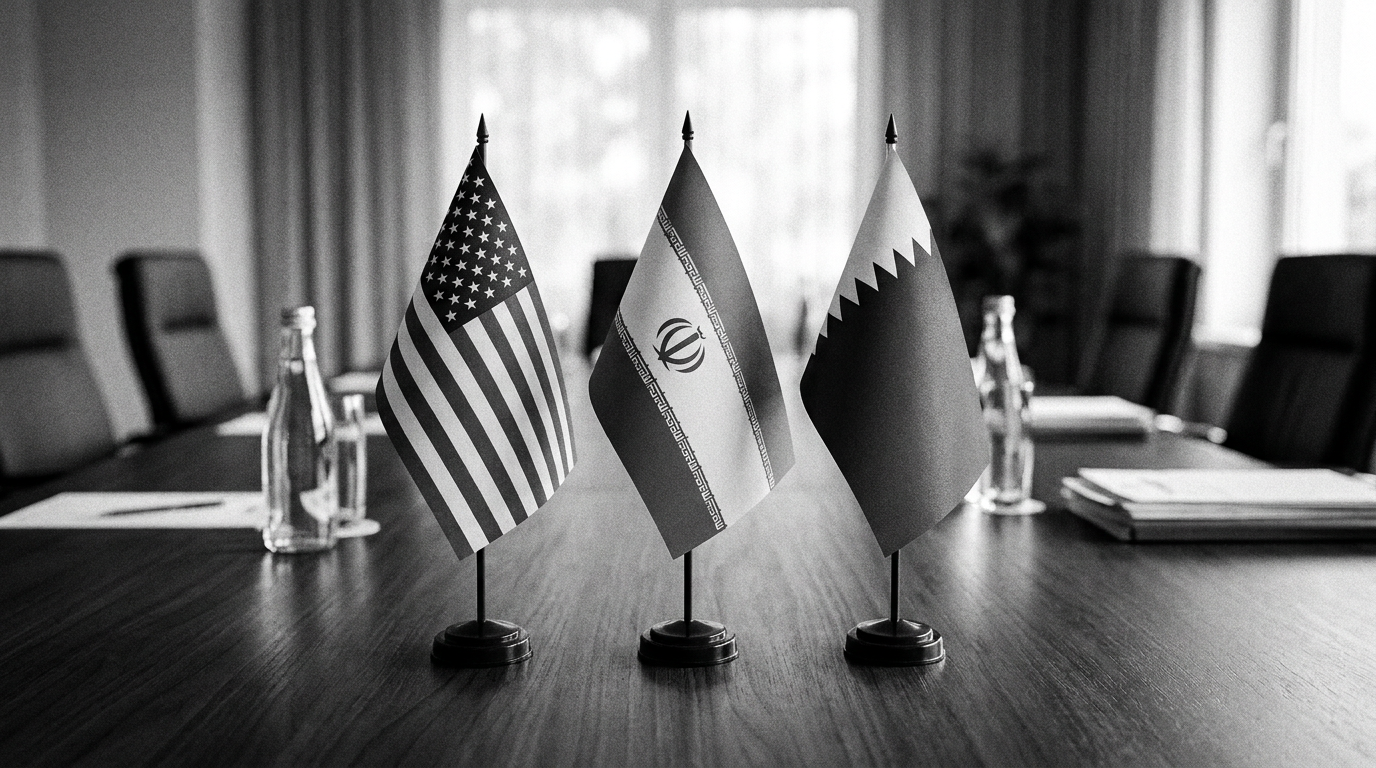
The US and Iran held fresh technical-level talks in Doha on Wednesday, with officials seeking a more durable ceasefire framework and smoother shipping through the Strait of Hormuz. Officials said the discussions centered on control arrangements around the waterway and the status of Iranian assets frozen abroad.
Doha agenda puts Hormuz first
The Strait of Hormuz is the immediate pressure point because any disruption there can affect energy shipping and insurance costs before diplomacy produces a formal settlement. The talks signal that both sides are testing whether operational guarantees at sea can be separated from the wider political dispute.
Frozen assets add a second track. If negotiators can define a mechanism for access, release or sequencing, it could create a practical incentive for Iran to keep talks alive while giving US officials a lever tied to compliance.
For global markets, the channel matters less for what was agreed
on Wednesday than for whether it lowers the probability of a shipping shock.
If the talks hold, risk premiums tied to Gulf transit could
ease; if they stall, traders may again price in higher geopolitical risk across energy and freight.
The next signal is whether officials confirm another technical round or a higher-level meeting within 48 hours, by July 3, 2026. Until then, the open question is whether Doha can turn narrow maritime and asset issues into a wider ceasefire architecture.