US, Iran exchange strikes over Hormuz
The fighting raises risk around a strategic oil shipping corridor central to global energy flows.
Mateo Fernandez ·
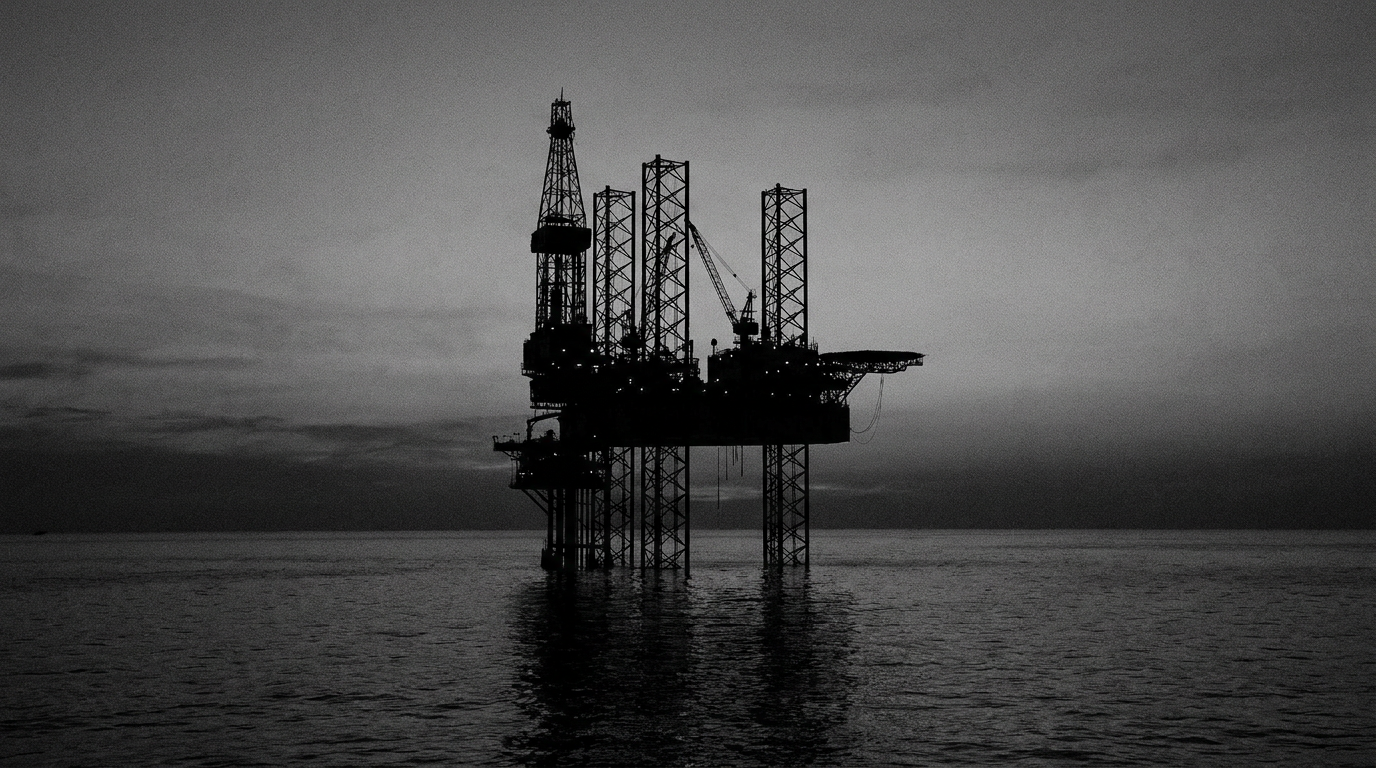
The US and Iran traded new strikes on July 9, 2026, escalating their confrontation over the Strait of Hormuz, officials said. The waterway is a crucial oil shipping corridor, making the clash a direct geopolitical risk for energy markets and maritime security. Reaction pending.
Hormuz passage risk rises
Officials said Tehran continues to insist on control of the strait, challenging US efforts to preserve free passage. The dispute matters because any interruption around Hormuz can quickly shift from a regional military exchange into a broader supply-chain and energy-price shock.
For Washington, the immediate issue is deterrence and the credibility of open-sea guarantees. For Tehran, control over the corridor is leverage in a confrontation where geography gives Iran a pressure point against global oil flows.
The market channel is straightforward: if shipping remains open, investors may treat the strikes as a contained security event, with the largest effect concentrated in geopolitical risk premiums. If vessels are delayed, insurers raise costs, or either side widens the fight, oil-linked inflation concerns and haven demand could rise.
The next dated test is July 9, 2026, through the next 24 hours, when officials and shipping operators will be watching whether the exchange stops at limited strikes or turns into repeated action around the strait.