U.S. confirms new Iran strikes as Gulf risks rise
U.S. Central Command said American forces launched additional strikes against Iran tied to threats near the Strait of Hormuz.
Mateo Fernandez ·
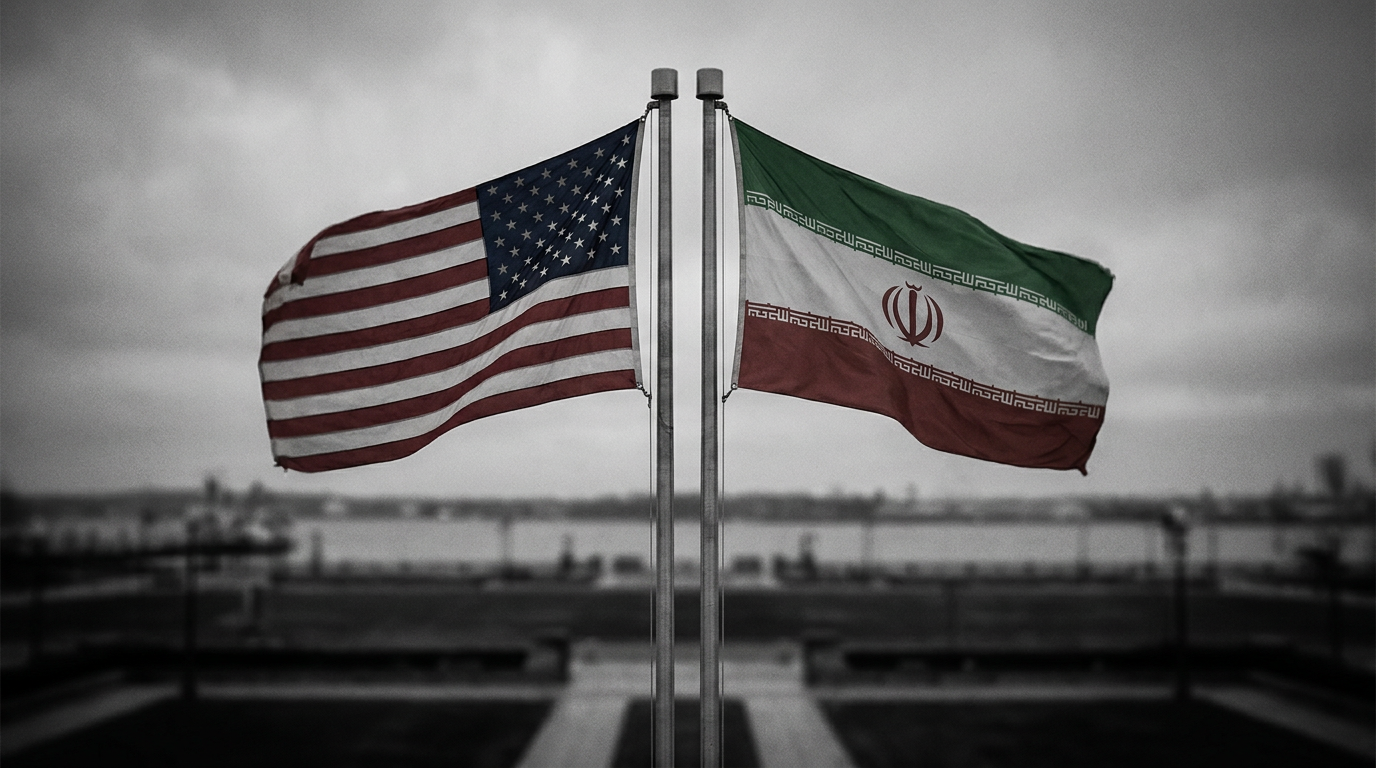
U.S. Central Command confirmed on July 9 that American forces launched additional strikes against Iran, deepening the military confrontation around the Gulf. Reaction pending. The command said the action was taken "at the direction of the Commander in Chief" and intended to further reduce Iran's ability to threaten navigation through the Strait of Hormuz.
Hormuz shipping risk widens
The strait is the operational center of the market concern because it connects Gulf energy exporters with global buyers. Any perception that shipping lanes are at greater risk can feed into freight costs, insurance pricing and oil-market volatility, even before a physical disruption is confirmed.
For Washington, the immediate objective is coercive: limit Iranian military capacity and signal that threats to maritime traffic will draw more force. For Tehran, the risk is that further escalation invites additional U.S. action and narrows the space for de-escalation through intermediaries.
The wider industry effect runs through shipping companies, energy traders
and insurers. If vessels face longer waits, rerouting decisions or higher war-risk premiums, refiners and importers could see costs rise.
If the waterway remains open and both sides contain retaliation, the direct
market effect may fade while a higher geopolitical risk premium lingers.
By July 10, 2026, the next signal will be whether U.S. officials describe the latest strikes as complete or leave open further military action; that wording will shape how governments, ship operators and energy desks assess Gulf risk into the weekend.