US-Iran attacks threaten fragile ceasefire deal
Fresh US-Iran attacks across the Mideast raised the risk that a ceasefire effort could fracture before it takes hold.
Mateo Fernandez ·
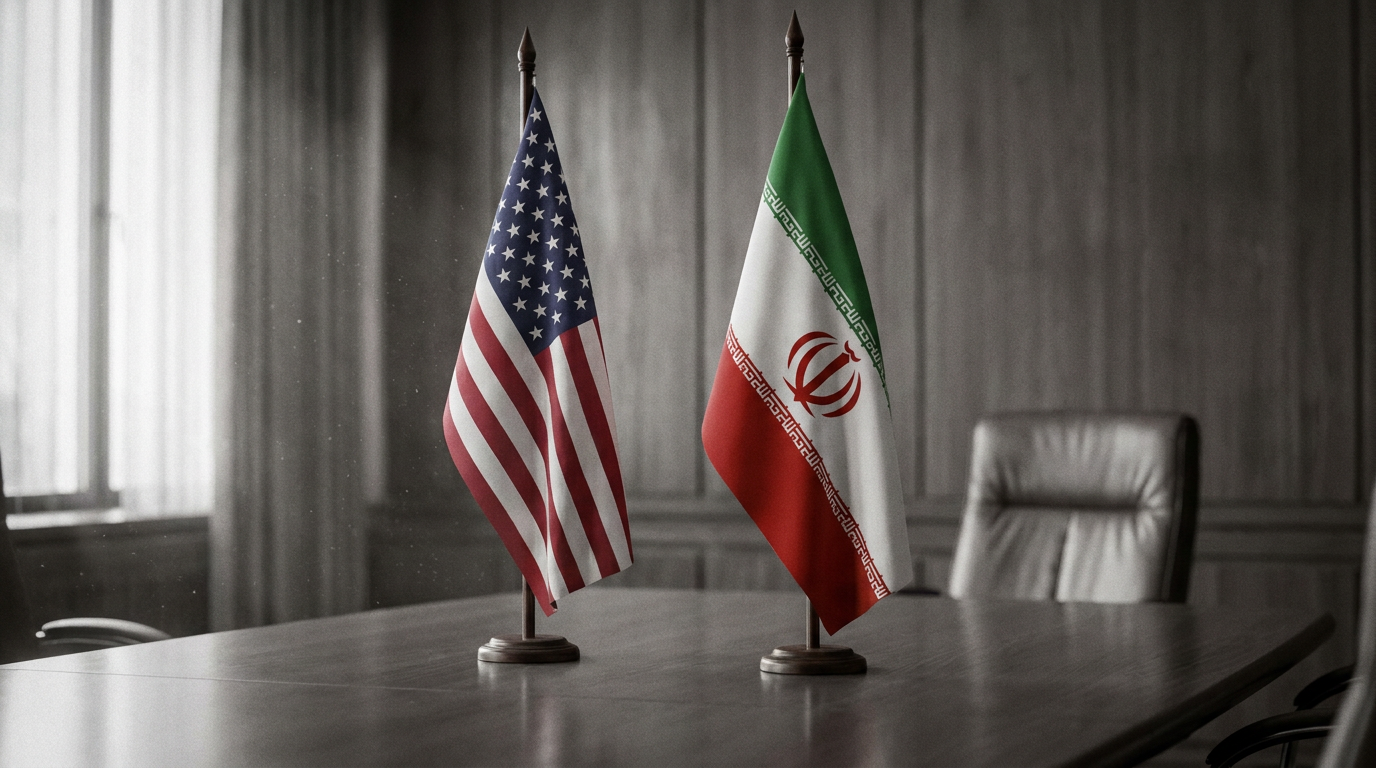
The US and Iran exchanged more attacks across the Mideast on Thursday, raising the risk that a ceasefire deal could come under pressure before either side locks in a durable pause. Reaction in major markets was not immediately available, but the geopolitical axis is clear: a wider conflict would sharpen risk around energy flows, sanctions policy and regional security commitments.
US-Iran ceasefire risk
The immediate issue is whether the latest attacks are treated as contained retaliation or as the opening phase of a broader cycle. If officials on both sides preserve room for mediation, the ceasefire track could survive with tighter enforcement language and more pressure on regional partners to prevent follow-on strikes.
If the exchange expands instead, the economic channel would run first through oil risk, shipping insurance and safe-haven positioning. Even without verified market pricing, investors typically treat direct US-Iran confrontation as a threat to energy supply routes and a trigger for faster repricing of geopolitical risk.
For Washington, the company-level impact is indirect but material for defense contractors, airlines and energy firms exposed to Mideast routes and fuel prices. For the wider sector, the pressure point is confidence: insurers, shippers and commodity traders would need clearer signals that military activity will not spread across key transit corridors.
The next test is diplomatic. By July 10, 2026, officials’ public statements and any reported halt in additional strikes will indicate whether the ceasefire deal still has a working path or whether the region is entering another escalation window.