US Invites Iraq PM Nominee to Counter Iran's Influence
Amid a growing regional war, the US invited the presumptive Iraq prime minister to Washington, signaling an effort to curb Iranian influence in Baghdad.
Lauren Collins ·
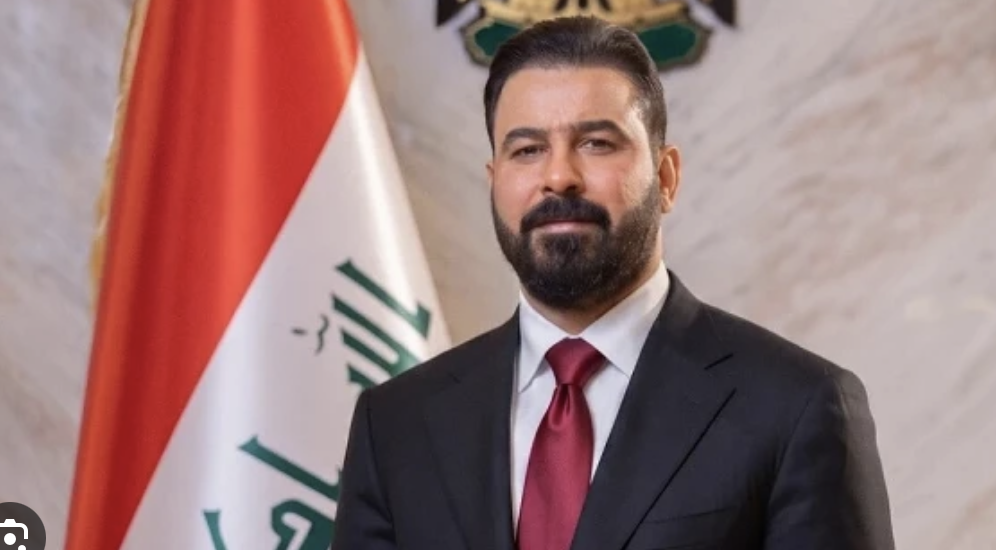
The United States has extended an invitation to Ali al-Zaidi, Iraq's prime minister nominee, for an official visit to Washington. The gesture from President Donald Trump signals a strategic push to secure American interests and limit Iranian influence in the key OPEC nation as a regional conflict intensifies.
According to a statement from the Iraqi premier's office, a telephone call between Trump and al-Zaidi focused on strengthening bilateral ties. The two leaders reportedly agreed to cooperate on consolidating stability across the region, a critical issue with active hostilities ongoing.
A Shift in Baghdad's Politics
Al-Zaidi's nomination represents a significant political development within Iraq. He was put forward by the Coordination Framework, the country's largest Shiite political bloc, only after another prominent candidate, Nouri Al-Maliki, withdrew his bid for the premiership.
Al-Maliki, who served as prime minister from 2006 to 2014, is known for his close relationship with Tehran. His potential return to power had caused considerable alarm in Washington, with President Trump previously stressing that such a move would create a serious rift in US-Iraq relations.
The selection of al-Zaidi over a more overtly pro-Iranian figure created a diplomatic opening for the United States. The invitation to Washington is a clear attempt to seize this opportunity and build rapport with the incoming administration before it is formally established.
Conflict and Economic Stakes
This diplomatic maneuvering coincides with a major regional war that began on February 28, involving US, Israeli, and Iranian forces. The conflict has directly impacted Iraq, where Iranian-backed proxy groups have repeatedly launched attacks against American assets, including the heavily fortified US embassy in Baghdad.
For Washington, ensuring a stable and cooperative government in Baghdad is paramount. Iraq's strategic location and its status as OPEC's second-largest oil producer mean that political instability there can have immediate and far-reaching consequences for global energy markets and regional security.
The future visit, which will take place after al-Zaidi successfully forms a new government, is poised to be a crucial test. It will determine the trajectory of the US-Iraq partnership and the new leader's ability to balance relations with Washington and Tehran amid a volatile geopolitical landscape.
-Iraqi relations, potentially recalibrating Baghdad's geopolitical alignment amid escalating regional tensions. This engagement could solidify a more centrist Iraqi government less beholden to Tehran, potentially easing regional proxy conflicts and offering a pathway for greater economic cooperation, particularly in energy markets.
However, the key risks lie in al-Zaidi's ability to consolidate domestic power against entrenched pro-Iranian factions and the persistent threat of Iranian-backed militias undermining any perceived shift towards Washington, a pattern seen in previous Iraqi administrations. S. influence and Iranian proximity will undoubtedly remain a significant challenge for Baghdad.