U.S. Rejects Iran Strait of Hormuz Transit Proposal
U.S. rejects Iran’s Strait of Hormuz transit-payment proposal this week, keeping talks stalled as the closure disrupts oil trade and lifts fuel prices.
Lauren Collins ·
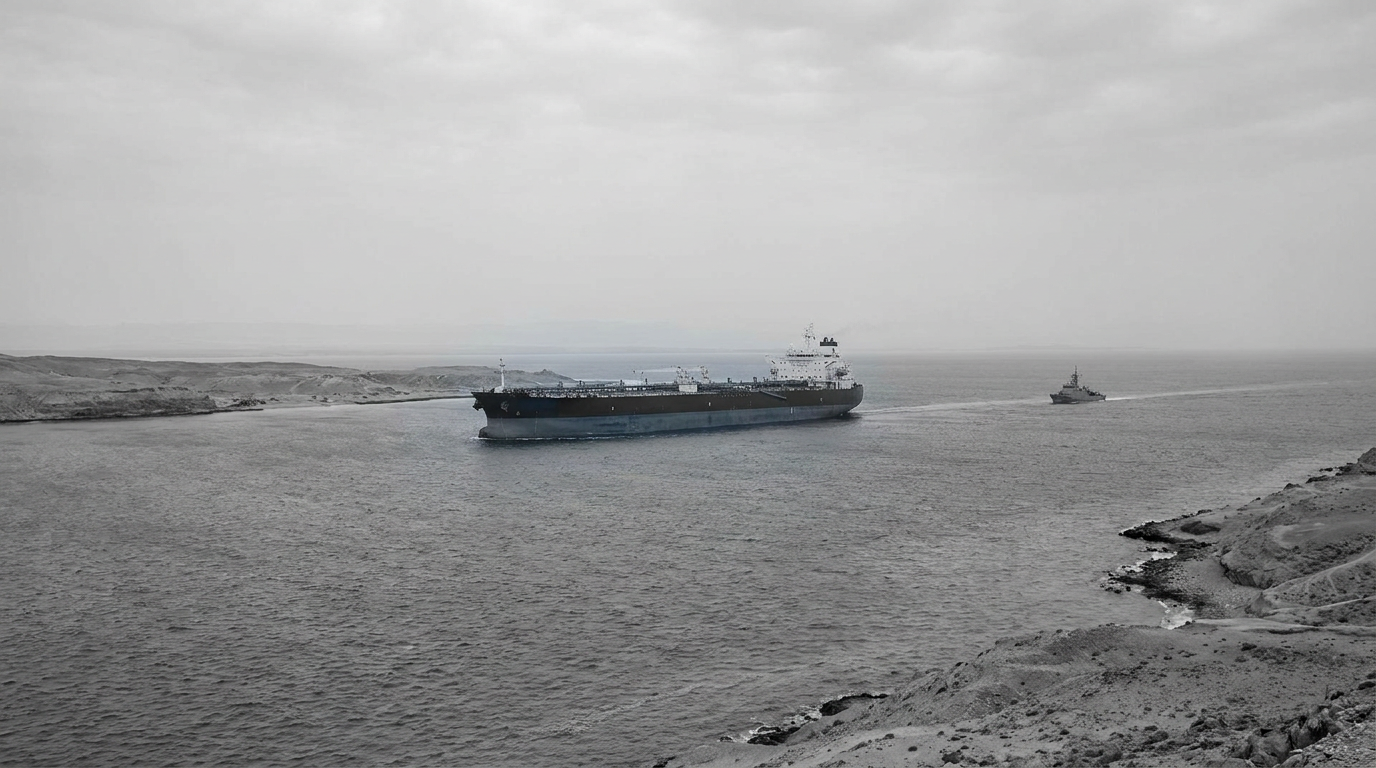
The United States has turned down Iran’s latest proposals tied to reopening the Strait of Hormuz to tanker traffic, officials said this week, extending a standoff that has disrupted oil flows and pushed up U.S. domestic fuel prices.
According to the reported terms, Tehran offered to allow tankers to resume using the waterway only if transit payments were made. U.S. officials rejected that approach, signaling dissatisfaction with the conditions Iran put forward.
Transit payments and nuclear talks at the center of the dispute
The U.S. position, as described in the report, is that Iran has been unwilling to negotiate on its nuclear program. Instead, Iran’s proposal focused on reopening the strait in exchange for fees tied to passage.
U.S. officials said accepting such payments would create an undesirable precedent for international shipping lanes. The rejection leaves negotiations stalled after earlier rounds ended without a conclusive outcome.
Oil trade disruption and the scale of the chokepoint
The Strait of Hormuz is described as a critical chokepoint for global energy trade. It has been largely closed by Iran, disrupting about one-fifth of the world’s oil supply, according to the report.
That disruption has had broad effects on global oil trade and has also fed into higher fuel prices in the United States. The continued closure keeps pressure on shipping and energy markets that rely on predictable transit through the strait.
U.S. policy constraints and the shadow of the JCPOA
The standoff has also created a strategic dilemma for Washington. The report describes the U.S. weighing the economic impact of a prolonged blockade against the risks of military intervention aimed at securing the waterway.
For Iran, the blockade is estimated in the report to carry losses of $500 million per day. For the U.S., the challenge is to respond to the disruption without agreeing to terms that officials view as unacceptable for the rules governing international transit.
The U.S. administration is also seeking to avoid an outcome that could be portrayed as weaker than the 2015 Joint Comprehensive Plan of Action (JCPOA). The report notes that the U.S. withdrew from the JCPOA in 2018, and that comparison remains a political constraint as talks remain stuck.