Lufthansa cancels 20,000 flights amid jet fuel crunch
Lufthansa will cancel 20,000 flights from May to October after citing a jet fuel crunch tied to Iran conflict disruptions and Hormuz closure.
Lauren Collins ·
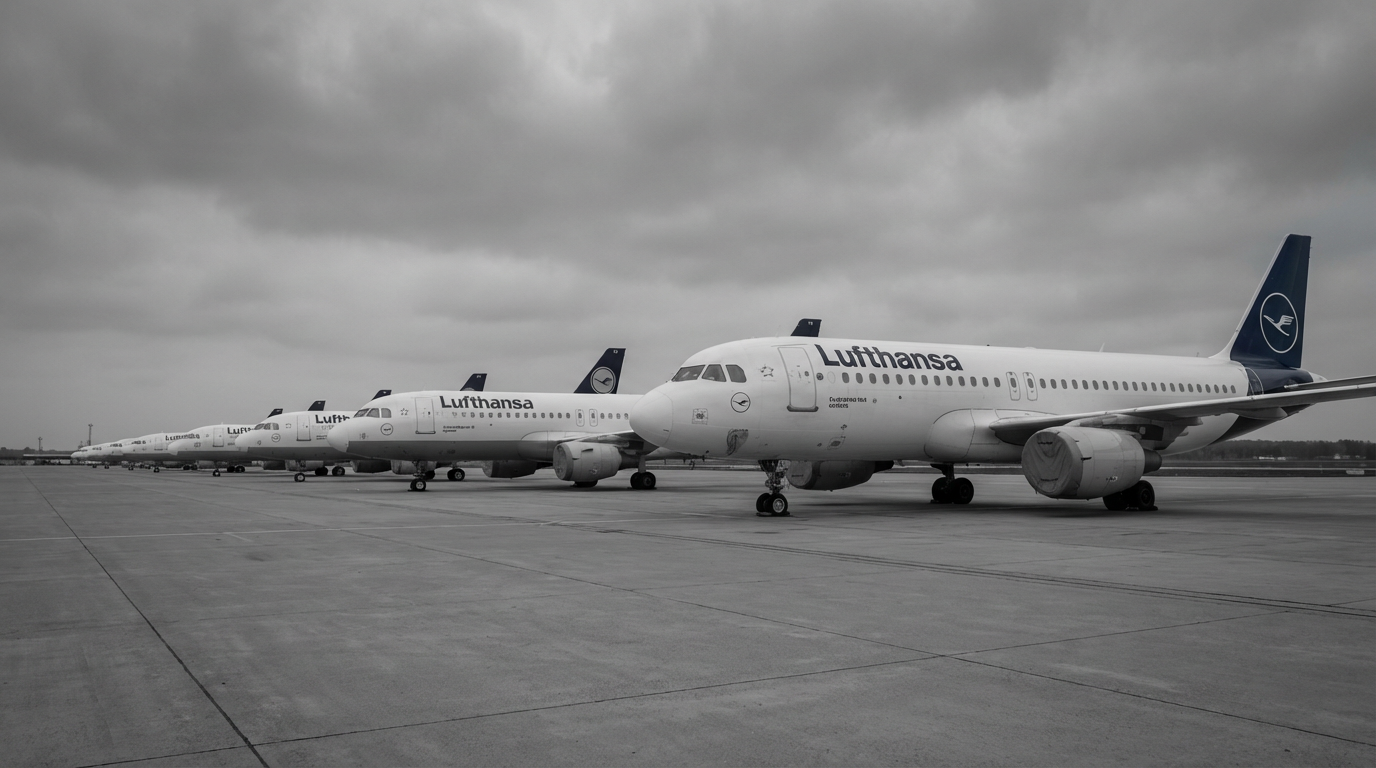
Germany’s largest airline, Lufthansa, said on Tuesday, April 21, it will cancel 20,000 flights scheduled from May through October. The company linked the move to a worsening jet fuel crisis that it said is being driven by disruptions in global oil flows tied to the ongoing conflict in Iran and the closure of the Strait of Hormuz.
Lufthansa said the cancellations will mainly hit short-haul services. The airline said the plan is designed to conserve about 40,000 metric tons of jet fuel, as supplies tighten and costs rise. Officials said jet fuel prices have doubled since the Iran conflict began.
The airline’s announcement comes as other carriers also reduce flying in response to fuel constraints. Dutch airline KLM has canceled 160 flights for the upcoming month, according to the information provided. The broader backdrop is a fast-moving shift from elevated prices toward physical scarcity, as described by European officials.
Fatih Birol, executive director of the International Energy Agency, said Europe has only about six weeks’ supply of jet fuel. Dan Jørgensen, the European Union’s Energy Commissioner, said the situation is evolving from a price-driven problem into a supply shortage. He said member states are discussing possible sharing of jet fuel stocks to help keep air travel operating.
Europe’s aviation sector is described as especially exposed because it depends on kerosene imports from the Middle East. With the Strait of Hormuz closed, the disruption to oil flows has become a central factor in the jet fuel crunch cited by airlines and officials.
For passengers and the travel industry, the immediate effect is reduced capacity during the May-to-October period, when airlines typically schedule large volumes of flights. For governments and regulators, the issue has moved into energy-security territory, with stock management and coordination now part of the discussion, according to the EU Energy Commissioner.
Key uncertainties remain around how long the supply disruption persists and how quickly fuel availability can stabilize, given the reliance on Middle Eastern kerosene imports and the stated impact of the Strait of Hormuz closure on global oil flows. Airlines’ operational responses may continue to evolve as the balance between price and supply changes.