Hormuz Reopening: Military Talks Advance
Hormuz reopening mission planning shifts to London military talks, with over 30 countries drafting plans contingent on a sustainable ceasefire.
Lauren Collins ·
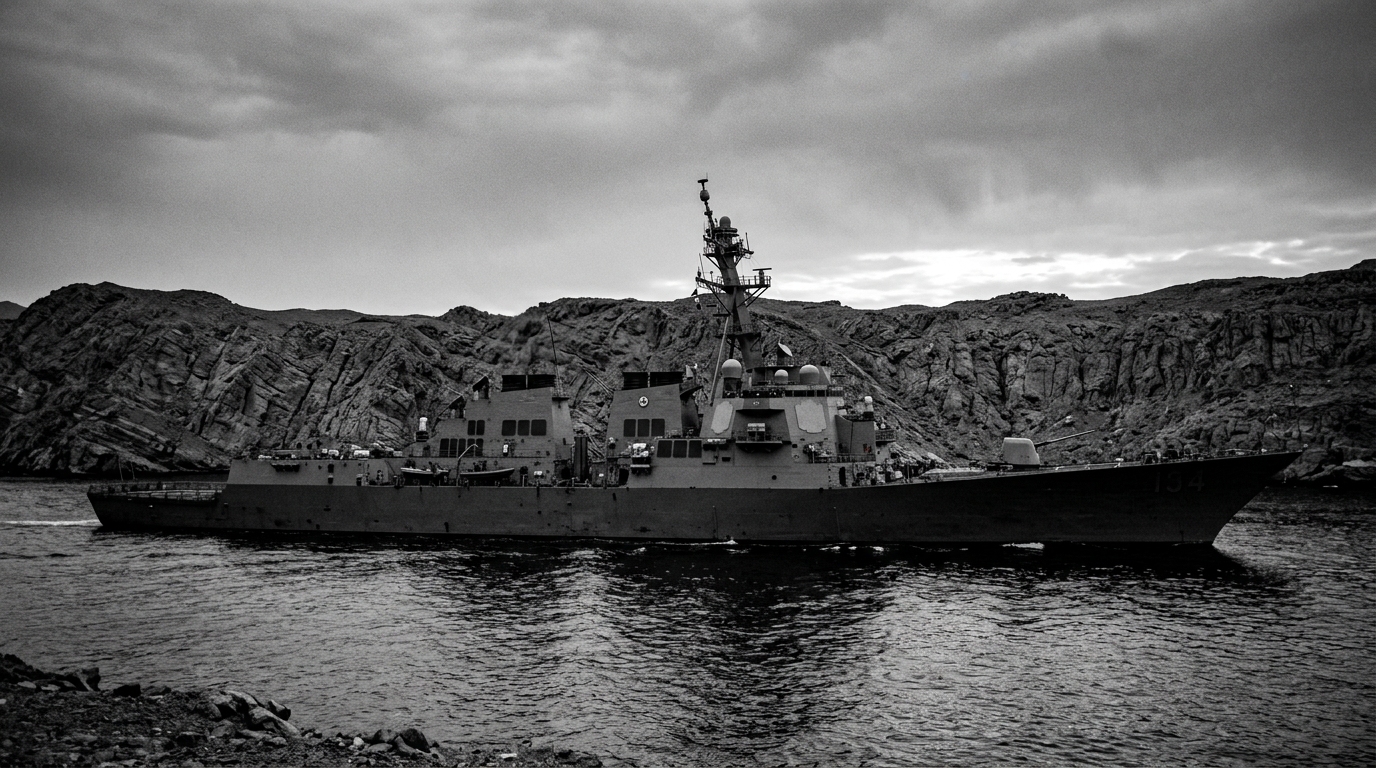
Military planners from more than 30 countries are meeting in London for two days of discussions starting Wednesday to draft operational plans aimed at reopening the Strait of Hormuz, officials said. The talks are designed to translate earlier diplomatic engagement into practical military coordination, with the goal of creating an agreed framework for a multinational maritime security mission focused on restoring safe passage for commercial shipping.
The United Kingdom is hosting the meeting, which follows earlier virtual discussions that involved approximately 50 countries from Europe, Asia, and the Middle East, officials said. Those prior exchanges established broad international backing for a British- and French-led mission intended to safeguard shipping through the waterway.
The London sessions are expected to concentrate on the concrete elements required to run such an operation, including what forces and assets participating states could contribute.
According to officials, the agenda includes assessing military capabilities, defining command structures, and working through deployment logistics. That focus reflects a shift from general political support toward the detailed planning needed for a functioning maritime security effort. The aim is to ensure that, if conditions allow, participating countries can move quickly from planning to execution with a clear chain of command and agreed procedures.
Officials stressed that the proposed mission is contingent on a sustainable ceasefire in the region, describing that condition as a prerequisite for activating the operation. In that sense, the planning is being positioned as a contingency framework rather than an immediate deployment order. Officials also framed the effort as a signal of readiness to re-establish secure maritime transit if the ceasefire requirement is met.
The Strait of Hormuz was described by officials as strategically important for global energy markets and trade flows. The planning effort, they said, is intended to support the resumption of secure shipping through the corridor, which is a key route for maritime commerce. By convening a large group of military planners and moving into operational design, the participating countries are seeking to align on how a multinational mission would function in practice.