Mideast Tensions Stoke New Inflation Fears
Iran war to trigger inflation wave, raising prices for groceries, medicine, and goods due to petrochemical supply chain issues.
Atlas Newsdesk ·
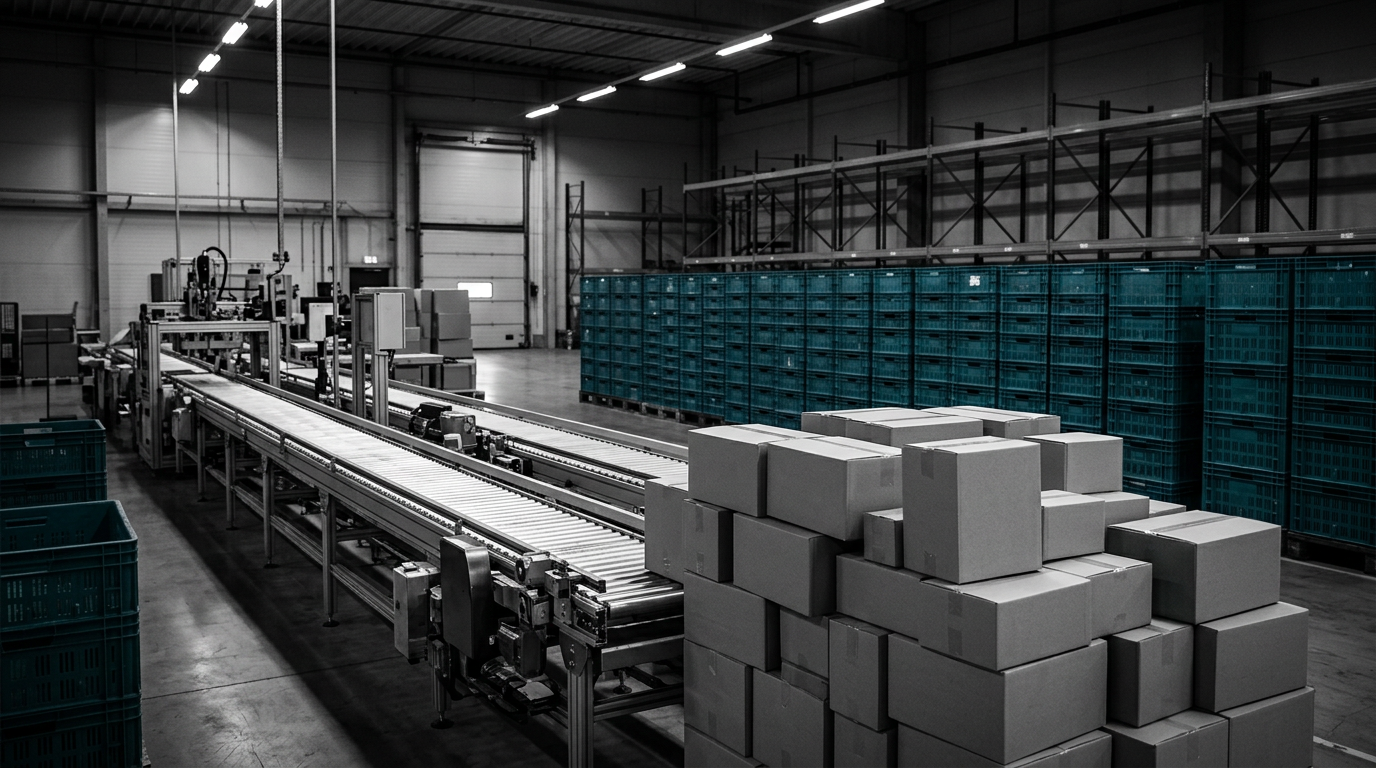
Iran War Fuels Second Inflation Wave A second wave of inflation, stemming from the ongoing Iran war, is projected to impact U.S. consumer prices for groceries, medicine, and other household goods in the coming months.
This follows an initial inflationary period characterized primarily by elevated gasoline prices and increased airfare. The broader impact is attributed to disruptions in the petrochemical supply chain, which underpins the production of plastics and other synthetic materials integral to over 95% of global finished products.
Petrochemicals, derived from oil and natural gas, constitute a $5 trillion global market. While oil futures experienced immediate price surges at the war's outset, the inflationary effects on petrochemical-dependent products are expected to manifest with a lag.
Polymer prices for resins used in food packaging, for instance, increased in March 2026 and are anticipated to continue rising through mid-year. This will contribute to a projected 4% pass-through rate on grocery items due to plastic packaging alone, with Goldman Sachs estimating a 3% increase in food costs and a 4% rise for beverages over three to nine months.
Beyond packaging, the conflict is also affecting aluminum prices and fertilizer supplies, further contributing to delayed food inflation. Personal care products, household cleaning supplies, and pharmaceuticals, which heavily rely on plastic packaging, are expected to see price increases of 3% to 4%. These incremental price adjustments, arriving over time rather than simultaneously, are anticipated to collectively represent a structural repricing of the American household budget.