Lufthansa Cuts 20,000 Short-Haul Flights as Fuel Costs Surge
Atlas Newsdesk ·
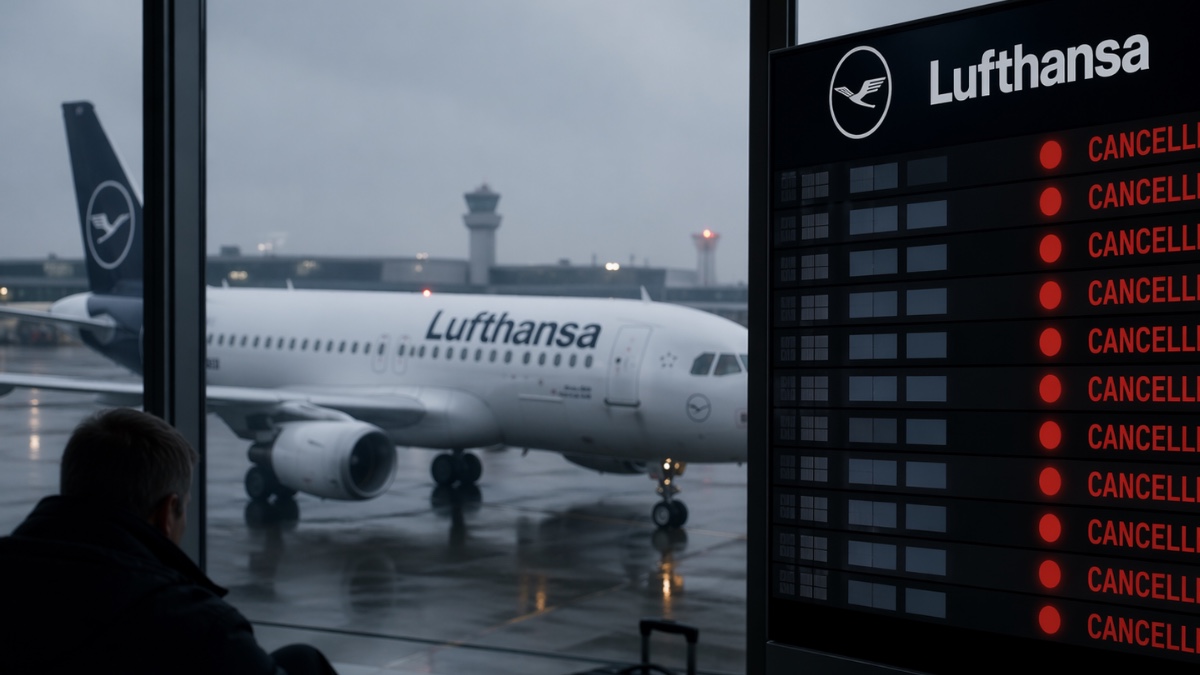
Lufthansa said it will cut 20,000 short-haul flights from its summer timetable through October, reducing group capacity by less than 1% in available seat kilometers as it tries to limit the hit from sharply higher jet-fuel costs. The company said the reductions will save more than 40,000 metric tons of fuel after kerosene prices doubled following the outbreak of the Iran conflict.
Reason for Cuts
The airline is framing the move as both a cost response and a strategic acceleration. In a statement issued on April 16, Lufthansa said it was bringing forward capacity and fleet measures because of higher fuel bills and added burdens from labor disputes. A first step was the immediate removal of the 27 operational aircraft at Lufthansa CityLine, the regional unit it described as loss-making.
CityLine's Role
CityLine sits at the center of the savings plan. Lufthansa said the unit’s Canadair CRJ aircraft were nearing the end of their technical operating life and carried comparatively high operating costs, making them an obvious target for early withdrawal. The company also said it had already been planning to take CityLine out of the program over time, but that the current geopolitical shock forced a faster timetable.
Passenger Impact
For travelers, the changes are concentrated in short-haul flying rather than long-haul connectivity. Lufthansa said the cancellations are being spread across its six hubs in Frankfurt, Munich, Zurich, Vienna, Brussels and Rome, with the aim of removing unprofitable routes while keeping access to the broader intercontinental network. The group said 120 daily flight cancellations had already been implemented through May 31, with more detailed summer adjustments due in late April or early May.
Business Implications
The direct effect is a leaner short-haul operation and a quicker shift away from older aircraft. Lufthansa said the package produces an outsized fuel-saving benefit because it removes less efficient jets and cuts the unhedged portion of the group’s fuel needs. The airline said around 80% of passenger-airline fuel consumption is hedged, leaving the remaining 20% exposed to current market prices; the latest measures are meant to reduce that expensive unhedged slice by about 10%.
Industry Context
The decision also says something larger about European aviation. Short-haul networks have long faced pressure from higher operating costs, tougher competition and the economics of maintaining smaller regional fleets. Lufthansa’s response suggests that airlines facing a new energy shock are likely to protect higher-yield long-haul traffic first, while using fleet renewal and hub consolidation to defend margins on regional flying. That logic is reinforced by Lufthansa’s parallel plan to retire four A340-600s, ground two Boeing 747-400s for the winter, and shift nine additional A350-900s to Discover Airlines.
Future Outlook
The biggest uncertainty is whether fuel pressure eases fast enough to prevent another round of cuts. Lufthansa said fuel supply for the coming weeks is largely stable, but it is still revising route plans for the rest of the summer. Labor tensions are another risk: Reuters reported that pilots began a fourth round of strikes on April 16 in a dispute over pensions, adding another layer of cost and scheduling pressure. That leaves Lufthansa trying to hold schedule stability together while reshaping its network in the middle of a volatile operating environment.