U.S. general warns of Navy destroyer shortage
U.S. European Command warns a destroyer shortfall limits missile-defense coverage for Israel. Official guidance is expected within 48 hours.
Mateo Fernandez ·
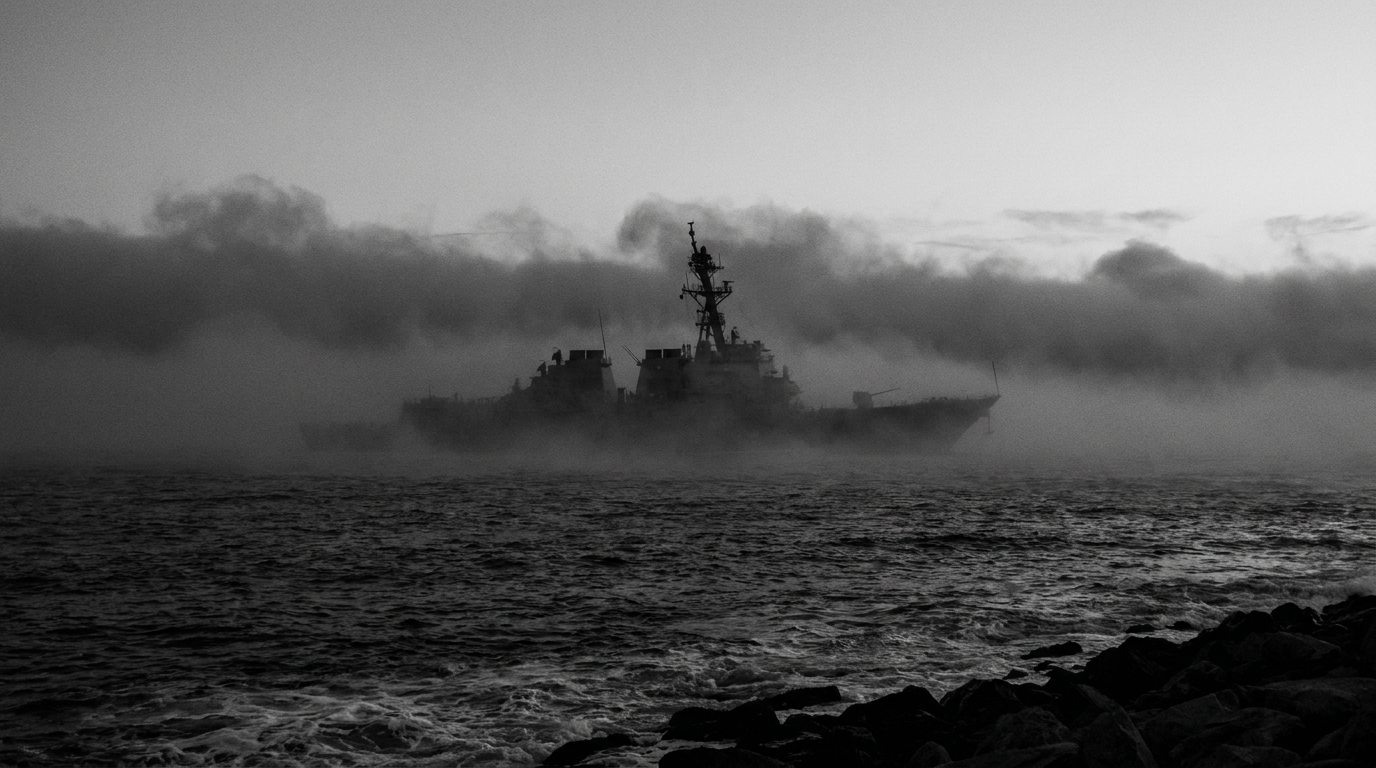
The head of U.S. European Command warned Pentagon leaders on Aug 1 that current forces are not sufficient to guarantee protection for Israel, officials said. They described the main constraint as a shortage of U.S. Navy destroyers used for ballistic-missile defense against Iranian threats.
Officials said the limited number of available ships is creating a practical trade-off that could push operational priorities toward defending the U.S. homeland. They emphasized the message was framed as an operational reality, not a policy decision, and was presented as a capability gap rather than a shift in stated U.S. commitments.
Destroyers at the center of the eastern Mediterranean posture Officials said the destroyers in question provide layered ballistic-missile and anti-air coverage that commanders consider essential for protecting allies in the eastern Mediterranean. In that role, the ships function as escorts and defensive platforms that can be moved quickly as threats change.
According to officials, the shortfall is most acute because destroyers are being stretched across multiple theaters at the same time. That dispersion, they said, is forcing commanders to weigh whether to deploy escorts to Israel or keep forces back to cover North American approaches and support deterrence missions.
What Pentagon planners are weighing next
Officials said Pentagon planners will consider force posture, ship schedules, and maintenance timelines as they decide how to allocate limited assets. Those factors can determine how quickly ships can be redirected, how long they can remain on station, and what gaps may open elsewhere if they move.
They said a formal Pentagon response and possible fleet-redistribution guidance are expected within 48 hours. Officials described that period as the first clear window to see whether commanders choose to reassign destroyers, accelerate deployments from reserve units, or pursue diplomatic measures aimed at reducing escalation pressures.
Operational choices and remaining uncertainties
Officials said the immediate issue is not a change in declared obligations but whether the existing inventory can meet concurrent requirements. They indicated that the decision space is shaped by the number of deployable ships available at a given moment and the competing demands tied to homeland defense and overseas protection missions.
It remains unclear, officials said, which option will be selected in the near term and whether any near-term movement of ships would be sustainable under current schedules and maintenance needs. The officials’ account pointed to the destroyer shortfall itself as the limiting factor that could compel a reprioritization of operational coverage.