US Navy Blockades Iranian Ports Amid Escalating Tensions
U.S. naval blockade targets Iranian ports, Centcom said Monday, escalating a six-week conflict and raising shipping and oil-price risks.
Lauren Collins ·
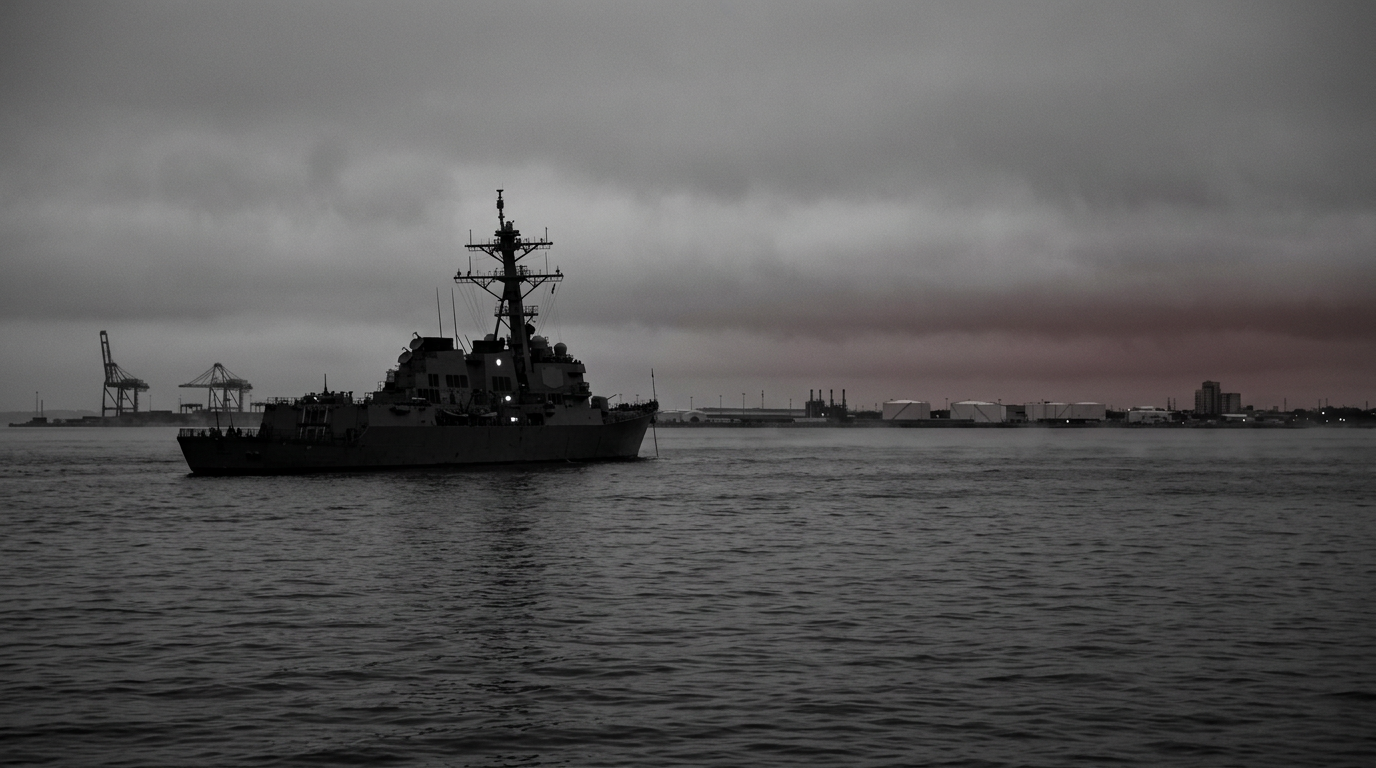
The United States has launched a naval blockade of Iranian ports and coastal areas , a step announced by U.S. Central Command (Centcom) on Monday evening amid an escalation in the six-week conflict involving a U.S.-Israeli coalition and Iran. Officials said the measure applies to all vessels entering or departing Iranian ports, while ships using non-Iranian ports are not covered by the restriction.
Centcom said the blockade is designed to increase economic pressure on Iran. Estimates cited alongside the announcement put the potential impact at about $276 million per day in lost exports and $159 million per day in disrupted imports, which would total roughly $13 billion per month if sustained at that pace.
Officials said enforcement is intended to take place east of the Strait of Hormuz, in the Gulf of Oman, a positioning described as aimed at reducing exposure to Iranian missile and drone capabilities. The announcement did not specify how U.S. forces would handle oil tankers or other vessels that attempt to breach the blockade, though boarding and taking control of non-compliant ships were described as possible options.
Iran has warned that the situation could push global oil prices higher and said it could retaliate if military actions intensify. U.S. President Donald Trump said any Iranian vessels approaching the U.S. flotilla would be “immediately eliminated,” underscoring the heightened risk of confrontation at sea.
The blockade follows the collapse of U.S.-Iranian talks in Islamabad, according to the account provided. Officials said Washington’s stated objectives include pressuring Iran to reopen the Strait of Hormuz to ships belonging to Gulf allies and to accept a complete ban on uranium enrichment.
Maritime security guidance also shifted after the announcement. The UK Maritime Trade Operations advised seafarers operating in the region to maintain heightened situational awareness in response to what it described as new operational conditions.