US Engages Hamas Amid Regional Conflict Escalation
The US engaged Hamas in Cairo on March 15-16, 2026, to stabilize the Gaza ceasefire amid escalating regional conflicts.
Lauren Collins ·
The United States recently initiated direct discussions with representatives of Hamas in Cairo, Egypt, during the weekend of March 15-16, 2026. These talks, facilitated by the Trump administration's "Board of Peace," aimed to stabilize a precarious ceasefire in Gaza established in October 2025. , and Iran, which began on February 28, 2026, and subsequent retaliatory strikes.
Diplomatic Efforts and Regional Tensions
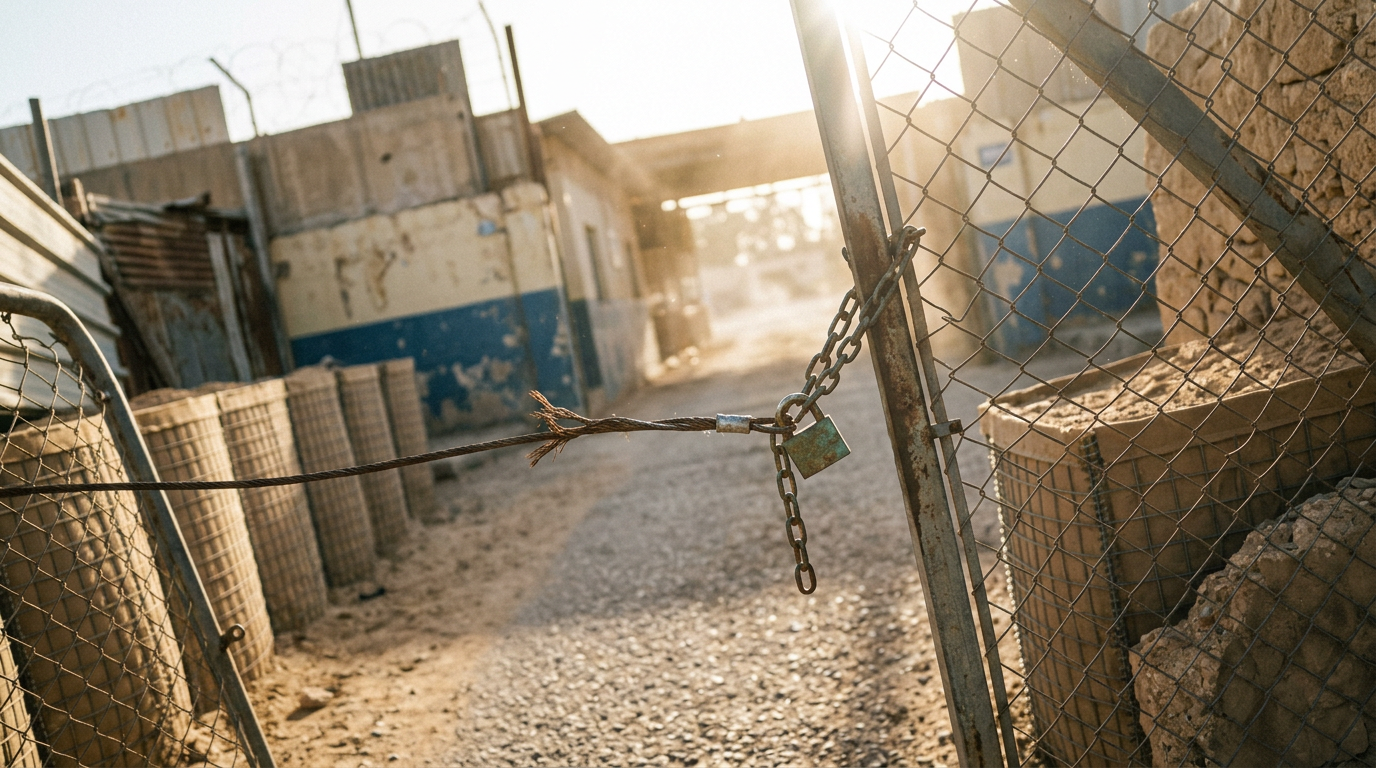
The primary motivation for the U.S. outreach was to prevent a full-scale resumption of violence in the Gaza Strip. The region has experienced significant instability following broader military engagements. Following these discussions, Israel announced the partial reopening of the Rafah border crossing on Wednesday, March 19, 2026. This crossing, crucial for pedestrian movement in and out of Gaza, had been closed since the onset of the conflict with Iran.
Gaza's Humanitarian Situation and Security
Despite the diplomatic initiatives, the security situation in Gaza remained volatile. Israeli airstrikes on Sunday, March 16, 2026, resulted in the deaths of at least 13 Palestinians. Among the casualties were two children, a pregnant woman, and nine police officers, highlighting the ongoing human cost of the conflict.
Strategic Objectives of US Engagement
Analysts suggest that the U.S. engagement with Hamas does not signify a recognition of the group's legitimacy. Instead, it is viewed as a tactical maneuver designed to avert widespread conflict in Gaza. A key aspect of this strategy involves empowering a newly formed technocratic committee within Gaza. The objective is to foster a social base that could potentially challenge Hamas's influence.
Long-Term Peace Plan and Disarmament
This diplomatic effort is also linked to the second phase of President Trump's broader 20-point plan for Gaza. This comprehensive plan includes provisions for Hamas's disarmament in exchange for amnesty and significant reconstruction aid. However, this particular component of the peace plan has encountered significant obstacles and remains largely stalled.
Pressure on Hamas and Iran Focus
Both the United States and Israel are reportedly increasing pressure on Hamas to achieve a swift resolution to the situation in Gaza. This intensified focus on Gaza is occurring concurrently with their primary attention directed towards the ongoing conflict with Iran. The complex interplay of these regional dynamics underscores the challenging environment for achieving lasting peace and stability.
Implications
Country Impact: The U.S. engagement with Hamas, while tactical, signals a shift in diplomatic approach to managing regional conflicts, potentially influencing future foreign policy strategies in the Middle East. Israel's partial reopening of the Rafah crossing indicates a calibrated response to de-escalation efforts, balancing security concerns with humanitarian access.
Industry Impact: The ongoing regional instability, particularly the conflict involving Iran, could impact global energy markets due to potential disruptions in oil and gas supplies from the Middle East. Defense and security industries may see increased demand for equipment and services as nations bolster their military capabilities.
Market Impact: Global financial markets may react to the heightened geopolitical risks, potentially leading to increased volatility in equity markets and a flight to safe-haven assets like gold and government bonds. The uncertainty surrounding regional conflicts could also affect foreign exchange rates and commodity prices.