Trump Threatens Lawmakers on Voter ID Bill
Former U.S. President Donald Trump threatened lawmakers over the 'Save America Act' on March 17, 2026, impacting voter ID legislation.
Lauren Collins ·
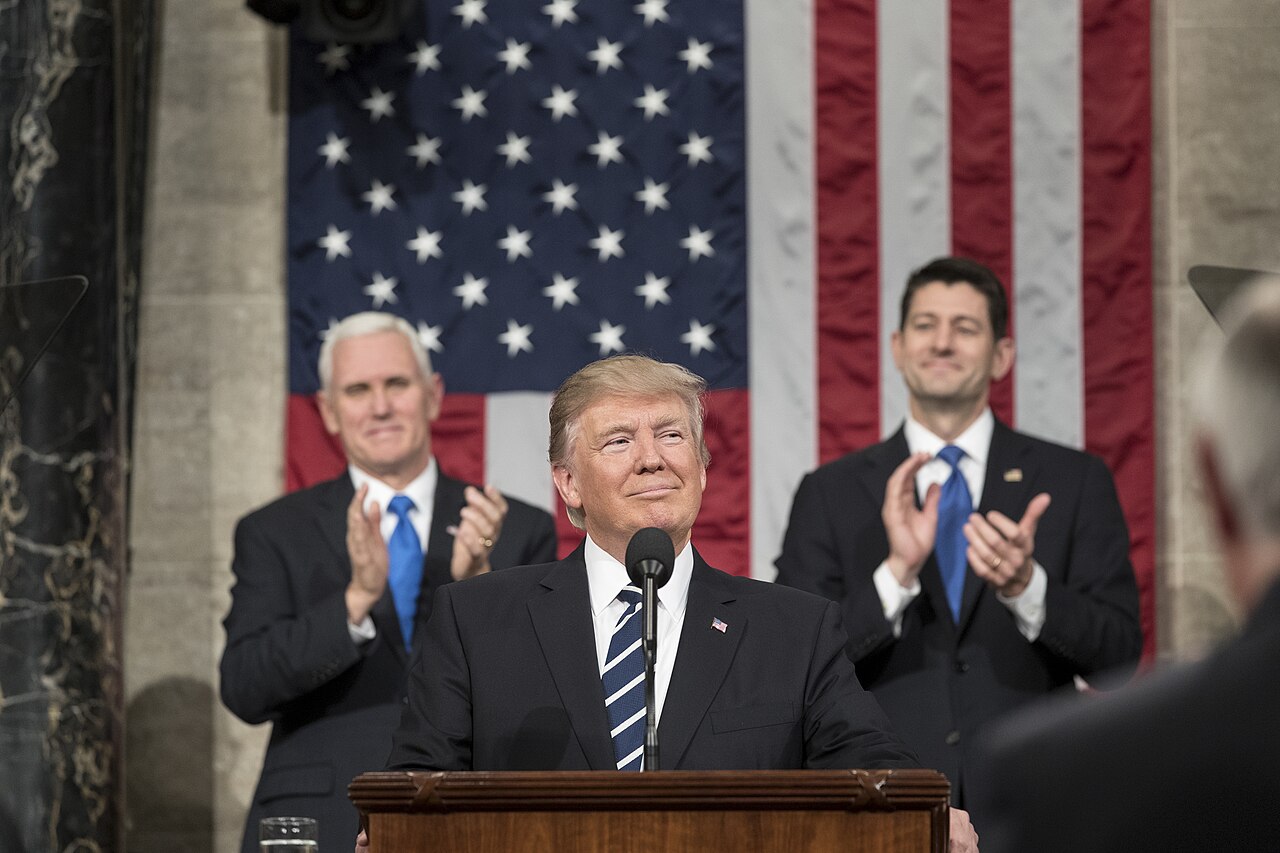
Former U.S. President Donald Trump issued a warning to lawmakers on Tuesday, March 17, 2026, indicating he would withhold endorsements from those who oppose the "Save America Act." This proposed legislation, currently under consideration in the U.S. Senate, focuses on voter identification requirements and has been described by Trump as a critical piece of congressional action.
The bill faces considerable hurdles in the Senate, where previous iterations have failed to pass. Trump's proposed amendments to the legislation include a ban on mail-in ballots, a prohibition on transgender individuals participating in women's sports, and a ban on gender-affirming surgeries for minors. Should these amendments be adopted by the Senate, the bill would then need to return to the House of Representatives for further deliberation and approval.
Political Pressure on Legislation
Trump's public statements exert significant pressure on Republican senators, particularly given his influence within the party. His threat to withdraw endorsements could impact future election campaigns for those who do not align with his position on the "Save America Act." This tactic highlights the ongoing internal divisions and power dynamics within the Republican Party regarding key legislative priorities.
Basis of Proposed Changes
The former president's advocacy for stricter voting measures stems from unsubstantiated assertions of widespread illegal voting by non-citizens in federal elections. Electoral experts and numerous studies have consistently indicated that instances of non-citizen voting are extremely rare and do not significantly impact election outcomes. Despite this, the narrative of widespread voter fraud continues to be a driving force behind calls for more restrictive voting laws.
Senate Leadership's Role
Senate Majority Leader John Thune is tasked with guiding the "Save America Act" through the legislative process. His role involves navigating the complexities of Senate procedure, managing caucus divisions, and responding to external pressures, including those from former President Trump.
The bill's passage would require overcoming significant opposition, not only from Democrats but potentially from moderate Republicans concerned about the bill's broader implications and the controversial amendments.
Broader Context of Voter ID Debates
The debate over voter identification laws is a recurring theme in American politics, often framed around election integrity versus voter access. Proponents argue that strict ID laws are necessary to prevent fraud, while opponents contend that such measures disproportionately disenfranchise minority groups, the elderly, and low-income individuals who may have difficulty obtaining specific forms of identification.
The inclusion of social policy amendments, such as those related to transgender rights, further complicates the bill's path and broadens the scope of its political implications, moving beyond just electoral procedures to encompass cultural and social debates.
Potential Legislative Path
Given the current political climate and the contentious nature of the proposed amendments, the "Save America Act" faces an uncertain future in the Senate. The requirement for the bill to return to the House if amended by the Senate adds another layer of complexity, potentially prolonging the legislative process and increasing the likelihood of its ultimate failure. The outcome will be a key indicator of the former president's continued influence on the Republican legislative agenda.
💊 Kapsül Analysis
📌 What Happened?
- Former U.S. President Donald Trump threatened to withhold endorsements from lawmakers opposing the "Save America Act" on March 17, 2026.
- The proposed bill, currently in the U.S. Senate, includes voter ID requirements and controversial amendments.
- Amendments suggested by Trump include bans on mail-in ballots, transgender participation in women's sports, and gender-affirming care for minors.
🔍 Why It Matters
- Trump's threat highlights his continued influence over the Republican Party's legislative priorities and internal dynamics.
- The bill's proposed amendments broaden its scope beyond voting rights to include significant social policy issues.
- The legislation is based on unsubstantiated claims of widespread voter fraud, a narrative that continues to shape political discourse.
📈 Market & Political Impact
- **Political:** Intensifies internal Republican Party divisions and could influence future primary elections.
- **Political:** Elevates social issues within a voting rights bill, potentially polarizing legislative debates further.
- **Political:** Tests the ability of Senate leadership to manage contentious legislation under external pressure.
👁️ What to Watch
- The progress of the "Save America Act" through the U.S. Senate and potential amendments.
- Responses from Republican lawmakers to Trump's endorsement threat.
- The broader debate on voter access versus election integrity in upcoming legislative sessions.
📋 Source Status
Single-source
📊 Confidence
Level: High — The report directly quotes and attributes the former president's statements and actions.
Implications
Country Impact: The legislative push for the 'Save America Act' could reshape voting procedures across the United States, potentially impacting voter turnout and access. The inclusion of social policy amendments could also ignite broader cultural conflicts.
Industry Impact: While not directly impacting specific industries, the political climate surrounding such contentious legislation could influence corporate stances on social issues and political donations. Companies might face pressure to align with or oppose aspects of the bill.
Market Impact: Political uncertainty and legislative gridlock, particularly on high-profile issues, can introduce volatility into financial markets. Investor confidence may be affected by the perceived stability of the political environment and the potential for significant policy shifts.