US warships deployed near Hormuz to enforce Iran blockade
US officials say 20-plus warships are deployed near Hormuz to enforce an Iran blockade; 55 vessels redirected as of Sunday.
Mateo Fernandez ·
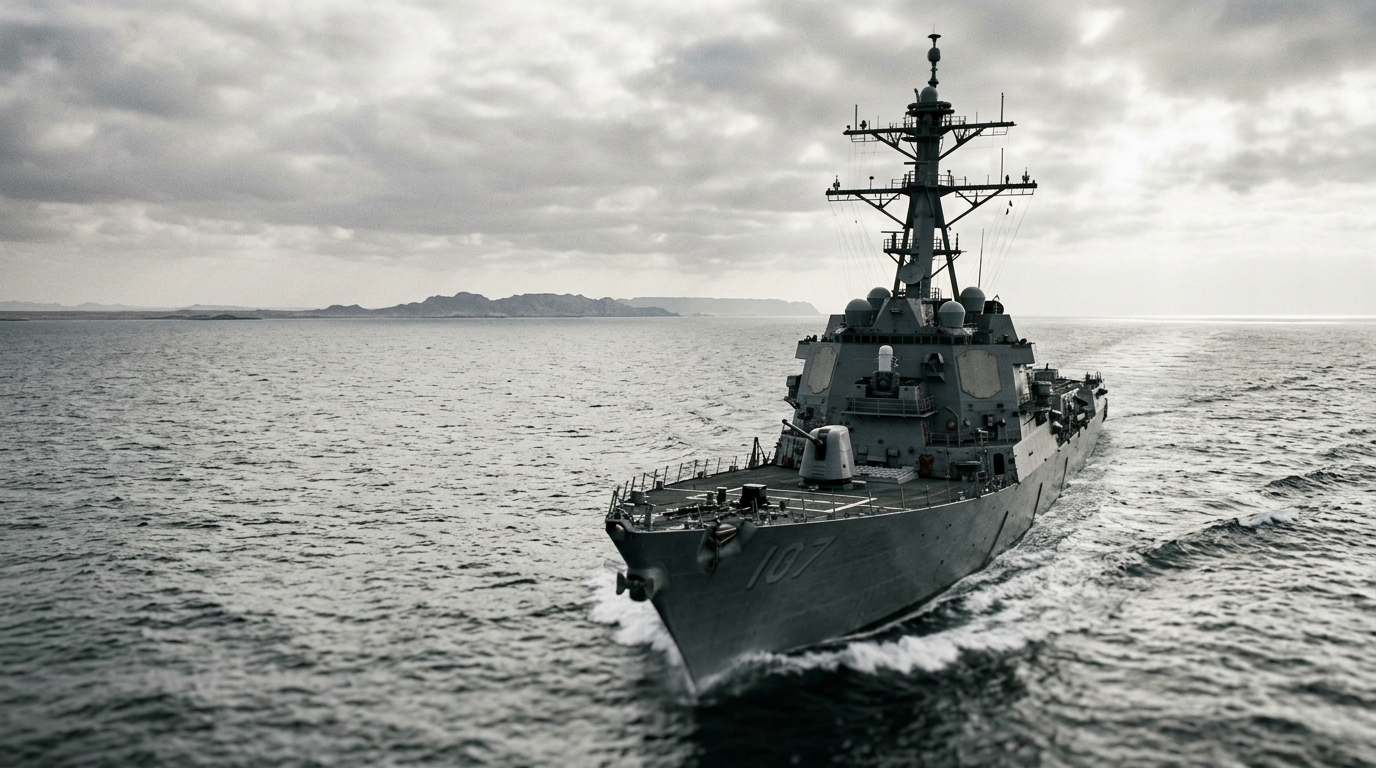
US officials said on Sunday that the United States has deployed more than 20 warships in and around the Strait of Hormuz as part of enforcement of a blockade on Iran, drawing fresh attention to risks for commercial shipping using the corridor.
Officials said 55 commercial vessels had been redirected as of Sunday. They also said two vessels were disabled and two others were boarded in order to check compliance.
More than 20 warships in a larger naval screen United States The deployment expands the US naval presence around one of the world’s most sensitive maritime passages. Officials described the ship movements and actions as tied to military missions aimed at strict blockade enforcement. The disclosed figures outline the scale of activity: more than 20 warships supporting enforcement, 55 commercial vessels diverted, and four vessels subjected to direct action through disablements or boardings. Information gaps on affected ships and compliance criteria Officials did not provide vessel names, cargo details, flag states, or the specific criteria used to judge whether a ship was not complying. That leaves uncertainty over which operators, routes, or cargo types are being most affected.
Reaction was still pending as of Sunday, according to the information provided by officials. Without additional official detail, it remains unclear whether the current pattern of diversions and checks will stay limited or broaden.
Shipping, insurance, and energy traders watch for knock-on effects Officials said the immediate pressure is falling on commercial shipping. The stated actions also focus attention on insurers and energy traders, as any increase in delays or rerouting can feed into higher logistics and coverage costs.
The market channel described by officials is primarily geopolitical rather than driven by scheduled economic data. If delays extend, freight expenses and energy-related risk premia could rise through insurance repricing and longer routes, officials said.
Timeline: August 11 as the next checkpoint Officials pointed to August 11 as a near-term point to watch for further updates, including any additional boardings, more vessels being disabled, or retaliatory steps. They indicated that such developments would be watched closely for whether the episode shifts from blockade enforcement toward a wider regional confrontation.