Houthis strike Mocha port, 7 killed as shipping risks rise
Houthis hit Mocha on Aug. 10, killing 7 and injuring 30, officials said, as Strait of Hormuz closure claims add pressure on key sea lanes.
Mateo Fernandez ·
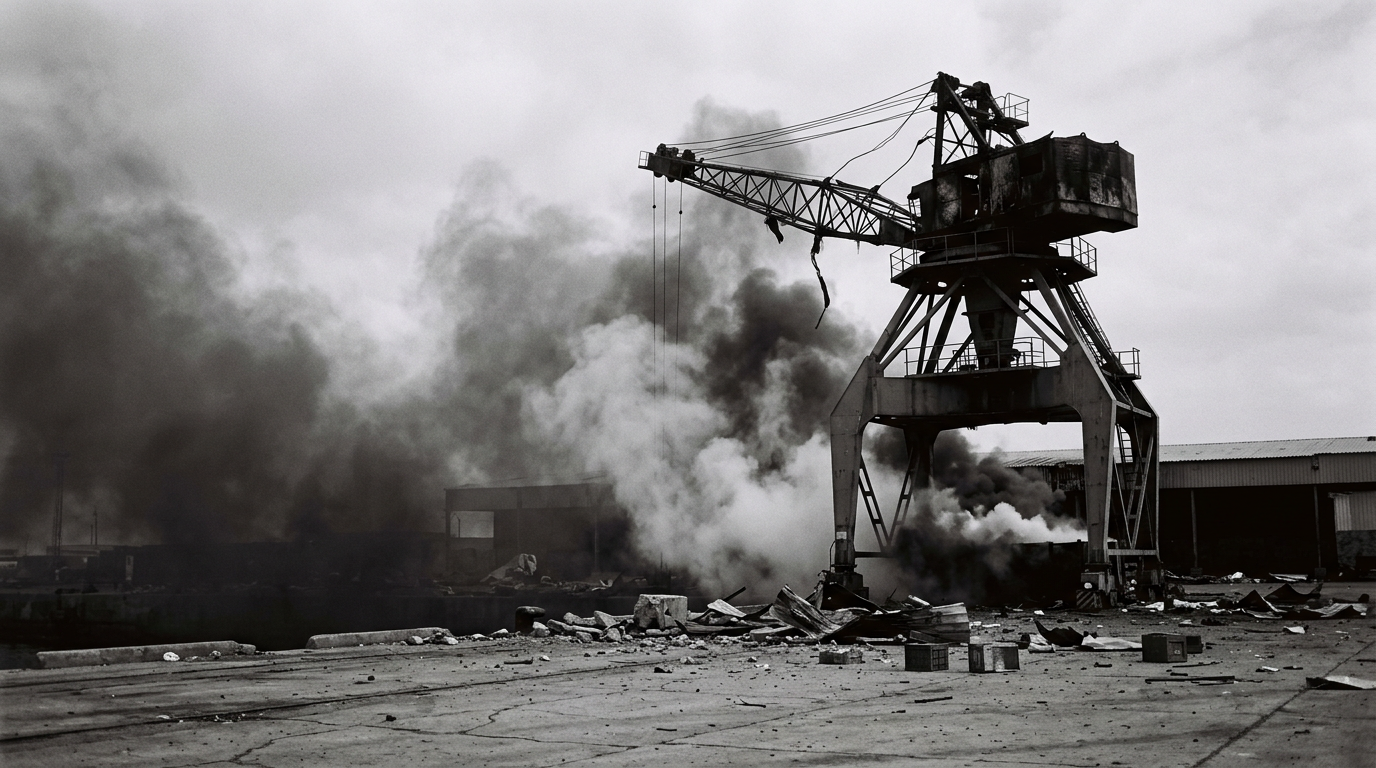
A missile strike attributed to the Houthis hit the Red Sea port city of Mocha on Aug. 10, killing seven people and injuring 30, officials said. They said civilian areas were struck, and noted that independent verification of the reported casualties was not immediately available.
The incident adds to near-term security concerns for vessels operating along the Red Sea route, a critical maritime passage for trade linked to the Suez Canal. Shipping operators and insurers typically treat attacks near ports and coastal approaches as indicators of elevated operational risk, particularly for vessels transiting established corridors.
Mocha attack adds pressure on Suez-to-Gulf operations
Officials said the Mocha strike heightens risks to regional shipping and maritime security, with the port city positioned on the Red Sea coastline. The reported deaths and injuries underscore the potential for civilian harm when strikes land outside purely military targets.
The incident also raises immediate planning challenges for carriers that connect Asian and European markets through the Suez-to-Gulf corridor, including container, bulk, and tanker services. Operators may need to reassess port calls, transit windows, and security procedures while monitoring how quickly conditions change.
Within shipping markets, any perceived increase in threat levels can translate into higher freight and insurance costs, especially when risk assessments shift for specific sea lanes. The source material cited concerns that rising risk could affect both route selection and the cost of moving cargo.
Strait of Hormuz statements widen the corridor risk picture Separate from the Mocha strike, Iranian officials said the Strait of Hormuz would remain closed until the United States met certain demands. The source material described that statement as potentially disruptive to tanker traffic through the Gulf if it were enforced.
With the Red Sea and the Gulf acting as connected parts of a broader trade network, simultaneous disruption would reduce routing flexibility for commercial shipping. The source material said that if both corridors faced disruption, vessels could be forced to reroute around southern Africa, adding transit time and fuel costs and pushing up freight and insurance expenses for global trade.
For shipowners, charterers, and cargo interests, the practical issue is whether elevated risk becomes persistent enough to trigger formal changes in routing, contractual terms, or operational controls. Decisions can also be influenced by whether insurers issue updated advisories and whether naval forces implement or expand escort measures.
Next 48 hours seen as key window for escalation The situation will be watched closely over the next 48 hours, through Aug. 12, for signs of escalation, the source material said. It said such escalation could prompt route changes, insurance notices, or formal naval escort measures.
While officials provided the casualty figures and described the areas hit, uncertainty remains because independent verification was not immediately available. The next developments may clarify whether the Mocha strike is followed by further incidents affecting maritime movements in the region.