US Withdraws AI Chip Export Rule Proposal
The U.S. Commerce Department withdrew a proposed AI chip export rule, signaling a potential shift in the Trump administration's tech policy.
Lauren Collins ·
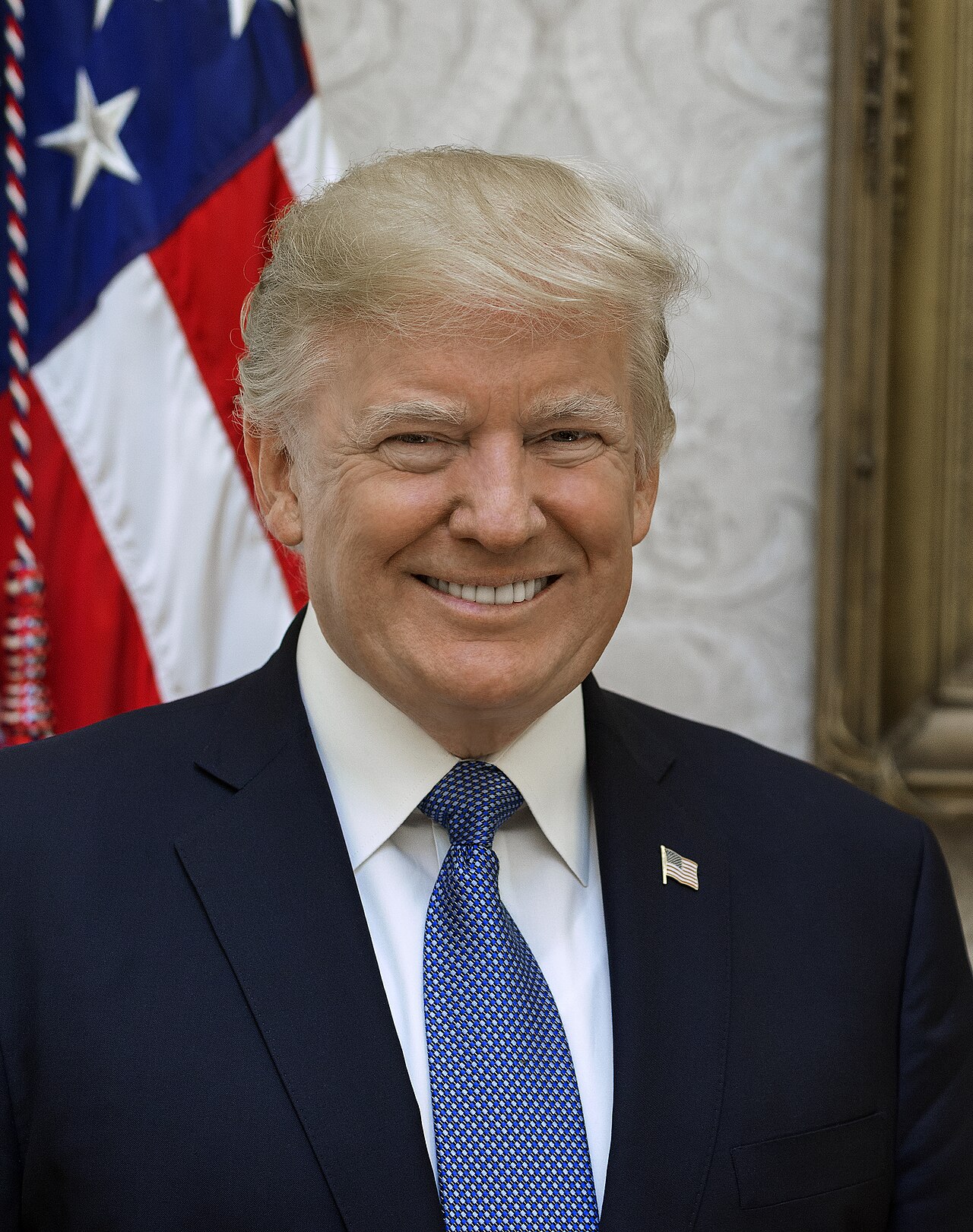
The U.S. Commerce Department recently rescinded a proposed regulation concerning artificial intelligence (AI) chip exports, indicating a potential shift in the Trump administration's strategy for maintaining American leadership in AI technology. This decision follows the department's earlier submission of a draft rule to various federal agencies for review in late February.
This withdrawn proposal was intended to supersede an existing Biden administration regulation, set to take effect in January 2025, which governs international access to advanced AI chips. The initial draft, publicly listed on the Office of Information and Regulatory Affairs website on February 26, outlined specific conditions for AI chip exports.
Proposed Export Conditions
The proposed Trump administration rule considered requiring foreign entities to make investments in U.S. data centers or provide security guarantees for shipments exceeding 200,000 AI chips. For smaller quantities, specifically up to 100,000 chips, the regulation would have mandated government-to-government assurances.
This framework represented a departure from the Biden administration's approach, which established a three-tiered system for chip access. The previous system categorized countries based on their alliance status with the United States, influencing the level of access to advanced AI technology.
Strategic Policy Divergence
The withdrawal of the proposed rule suggests internal policy debates within the Trump administration regarding the most effective methods to secure global AI dominance and address national security concerns related to advanced technology. The Commerce Department had previously articulated its commitment to fostering secure exports of American technology.
Officials had also indicated an unwillingness to revert to the Biden administration's AI diffusion rule, which they characterized as overly burdensome. The current landscape of AI chip export controls is complex, with the U.S. aiming to balance technological advancement, economic competitiveness, and national security.
Broader Context of AI Regulation
The development of AI technology has become a critical area of competition among global powers. Governments worldwide are implementing various strategies, including export controls, investment restrictions, and domestic incentives, to bolster their positions in AI research and development. The U.S. has been particularly active in this space, viewing AI as both an economic opportunity and a national security imperative.
Export controls on advanced semiconductors, especially those critical for AI, are a key tool in this strategy. These controls aim to prevent adversaries from acquiring technology that could enhance their military capabilities or undermine U.S. technological superiority. The ongoing policy adjustments reflect the dynamic nature of this technological race and the challenges in formulating effective, long-term regulatory frameworks.
Future Policy Direction
The withdrawal of this specific proposal leaves the future direction of U.S. AI chip export policy somewhat uncertain. It signals a period of re-evaluation within the administration, potentially leading to a revised strategy that seeks to achieve its objectives through different mechanisms. Market participants and international partners will be closely observing subsequent announcements from the Commerce Department for clarity on future regulations governing this critical technology sector.
Implications
Country Impact: The U.S. withdrawal of the AI chip export rule proposal suggests internal policy debates within the Trump administration regarding its approach to technological dominance. This could lead to a revised strategy impacting international trade relations and alliances.
Industry Impact: The semiconductor and AI industries face continued uncertainty regarding future export regulations. Companies involved in AI chip manufacturing and deployment will closely monitor subsequent policy developments, which could influence investment decisions and supply chain strategies.
Market Impact: Global technology markets may experience volatility as investors react to evolving U.S. export control policies. The lack of a clear, stable regulatory framework could affect stock valuations of major AI and semiconductor firms, impacting investor confidence in the sector.