US Invokes Emergency Powers for California Oil Pipeline
The US Department of Energy invoked emergency powers to restart a California oil pipeline, citing national security and reducing foreign oil dependence.
Lauren Collins ·
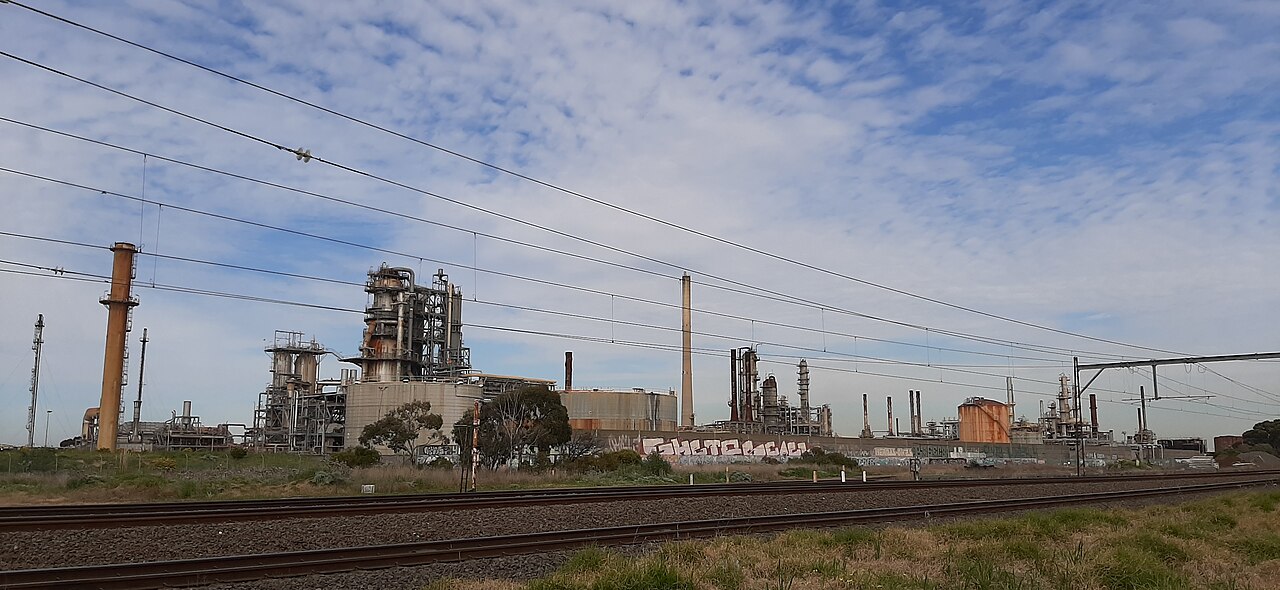
The U.S. Department of Energy (DOE) on Friday, March 13, 2026, utilized emergency powers to authorize the reopening of an offshore oil pipeline in California. This decision, made under the Defense Production Act, aims to bolster domestic energy supplies and reduce reliance on foreign oil for military operations.
Energy Secretary Chris Wright issued the order, following an executive directive from President Donald Trump. The action permits Texas-based Sable Offshore Corp. to reactivate a pipeline system that links three offshore platforms to the California coastline, overriding previous state-level objections that had kept the infrastructure inactive for over a decade.
Strategic Energy Security Concerns
The DOE cited national security as the primary justification, highlighting the military's dependence on imported oil. A significant portion of California's refined oil, exceeding 60%, currently originates from overseas sources. This includes oil transported through the Strait of Hormuz, a region recently affected by ongoing conflict in Iran, which has caused supply disruptions.
This federal intervention is designed to enhance the U.S. oil supply chain, particularly to ensure consistent energy access for critical West Coast military facilities. The pipeline's restart is framed as a measure to mitigate vulnerabilities associated with international energy markets and geopolitical instability.
Background and State Opposition
The pipeline system had been non-operational since 2015, following an oil spill incident in Santa Barbara County. Sable Offshore Corp. acquired these assets in 2024 and has since encountered considerable regulatory obstacles and legal challenges from California state and local authorities regarding its reactivation.
California Governor Gavin Newsom publicly criticized the federal government's decision, characterizing it as a move primarily benefiting the oil industry. Governor Newsom also indicated that the state intends to pursue legal avenues to challenge the federal order, signaling a potential jurisdictional dispute.
Economic and Environmental Implications
The federal government's invocation of emergency powers underscores a tension between national energy security objectives and state-level environmental protection policies. The pipeline's restart could provide a more stable domestic crude oil source for California refineries, potentially impacting regional energy prices and reducing reliance on volatile international markets.
However, the move also reignites environmental concerns, particularly given the pipeline's history of spills. The legal battle between federal and state authorities will likely focus on the balance between economic and strategic imperatives versus environmental safeguards and local autonomy. The outcome could set a precedent for future federal interventions in state-regulated energy infrastructure projects.
Implications
Country Impact: The decision highlights a federal-state conflict over energy policy, potentially leading to legal challenges and setting precedents for national security interventions in state-level environmental regulations. It aims to enhance U.S. energy independence.
Industry Impact: The oil and gas industry could see increased federal support for infrastructure projects deemed critical for national security, potentially easing regulatory hurdles for certain operations. Environmental groups are likely to intensify opposition to such projects.
Market Impact: The restart of the pipeline could contribute to a more stable domestic oil supply for the West Coast, potentially influencing regional crude prices. It may also signal increased investment in domestic energy infrastructure, reducing reliance on volatile international oil markets.