US drone tariffs set new costs for imports
US drone tariffs will take effect in 21 days, setting bands up to 100% and expanding duties to components amid security concerns.
Atlas Newsdesk ·
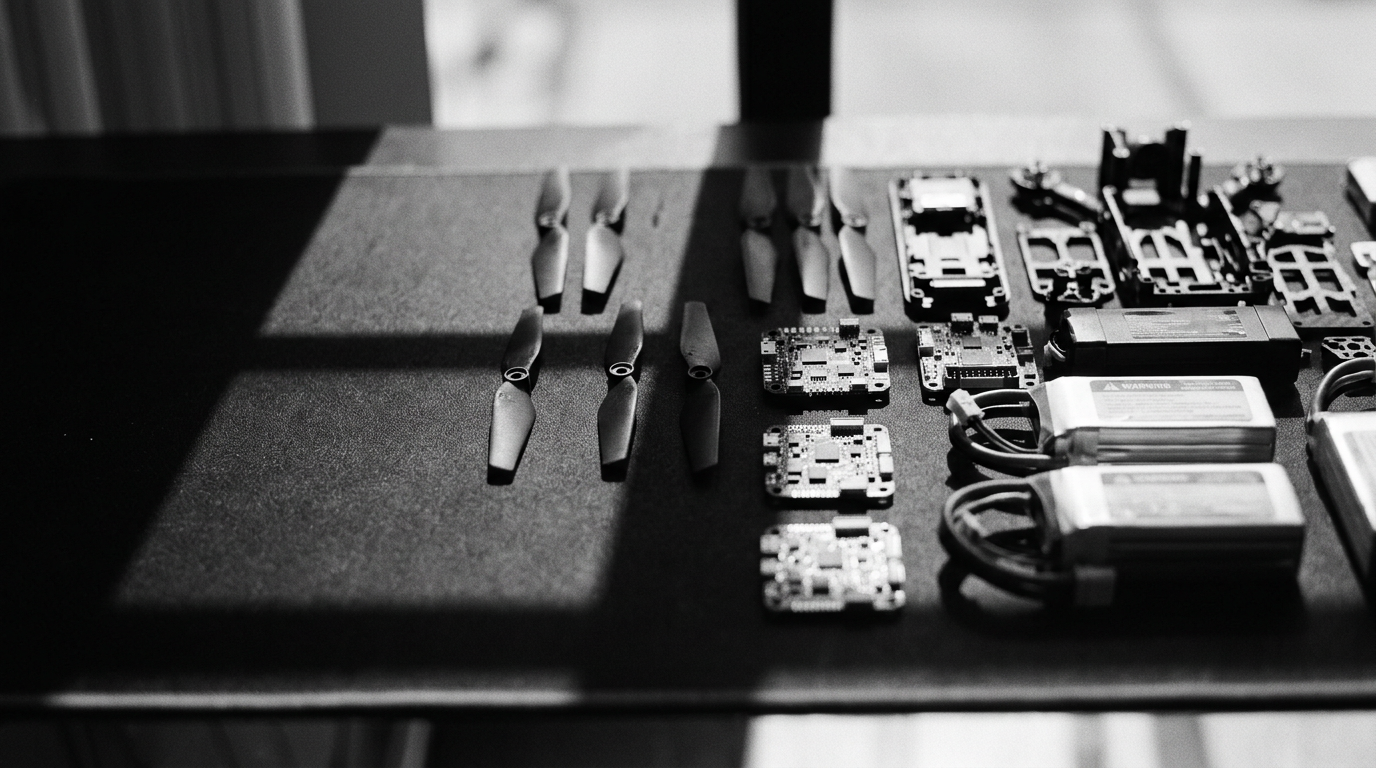
The United States has introduced new tariffs on imported drones and related components, with officials citing national security and cybersecurity concerns. Officials said the measures are intended to address what they describe as risks associated with drone technology entering the US market. The policy is scheduled to take effect 21 days after it was signed.
The new schedule creates multiple tariff bands based on drone specifications and the origin of imports, changing procurement costs for a broad set of buyers. The measures apply not only to finished aircraft but also to parts, increasing the likelihood that upstream components used in assembly and maintenance will also face higher duties. Officials said the shift reflects a hardening in the broader technological rivalry between the United States and China.
Tariff bands tied to weight, sensors, and origin
The United States
Under the rules, a 100 percent tariff applies to imported drones that exceed 25kg or that are equipped with thermal-imaging capabilities. A separate category applies to smaller drones that do not cross the weight threshold and do not include thermal-imaging functions, with those imports facing a 25 percent levy. The policy also sets duties of 10 to 15 percent on imports from specific allied nations. By combining technical thresholds with country-of-origin duties, the framework is set to reshape how buyers evaluate total landed cost, including for fleets that may include multiple drone types and mission configurations. Beijing export controls add another constraint The US move follows recent actions by Beijing to tighten export controls on drone technology and critical components destined for the United States. The sequence of restrictions on both sides adds friction to cross-border trade involving drone hardware and key inputs, particularly where supply chains depend on specialized components.
Officials and industry stakeholders have pointed to the Officials and industry stakeholders have pointed to the possibility of disruption as tariffs and export controls interact. With tariffs lifting the price of some imports and export controls limiting access to certain technologies, companies may need to re-check compliance pathways for both products and parts as the new rules begin to be applied.
Procurement pressure for manufacturers and institutional buyers
Officials and industry stakeholders said the measures are expected to disrupt global supply chains and make it more difficult for manufacturers to shift production to third-party jurisdictions. The combination of targeted tariffs and technology controls can complicate sourcing plans, including for firms attempting to diversify supplier bases.
Institutional stakeholders may face higher operating costs and procurement delays as reciprocal barriers take hold. Buyers that rely on heavier drones or thermal-imaging capabilities could see the steepest price impact due to the 100 percent tariff band, while broader purchasing programs may still face cost pressure from the 25 percent levy and the duties applied to imports from allied nations.
For firms operating in the drone sector, officials said the change is likely to sharpen attention on supply-chain resilience and compliance strategies. However, the timing and scale of delivery delays remain uncertain as companies and authorities work through how the new tariff bands and component coverage will be implemented in practice.