US Keeps Hormuz Blockade Amid Navy Strain Reports
US officials say the Hormuz blockade will continue with rotating ships as lawmakers press the Pentagon over USS Abraham Lincoln conditions.
Atlas Newsdesk ·
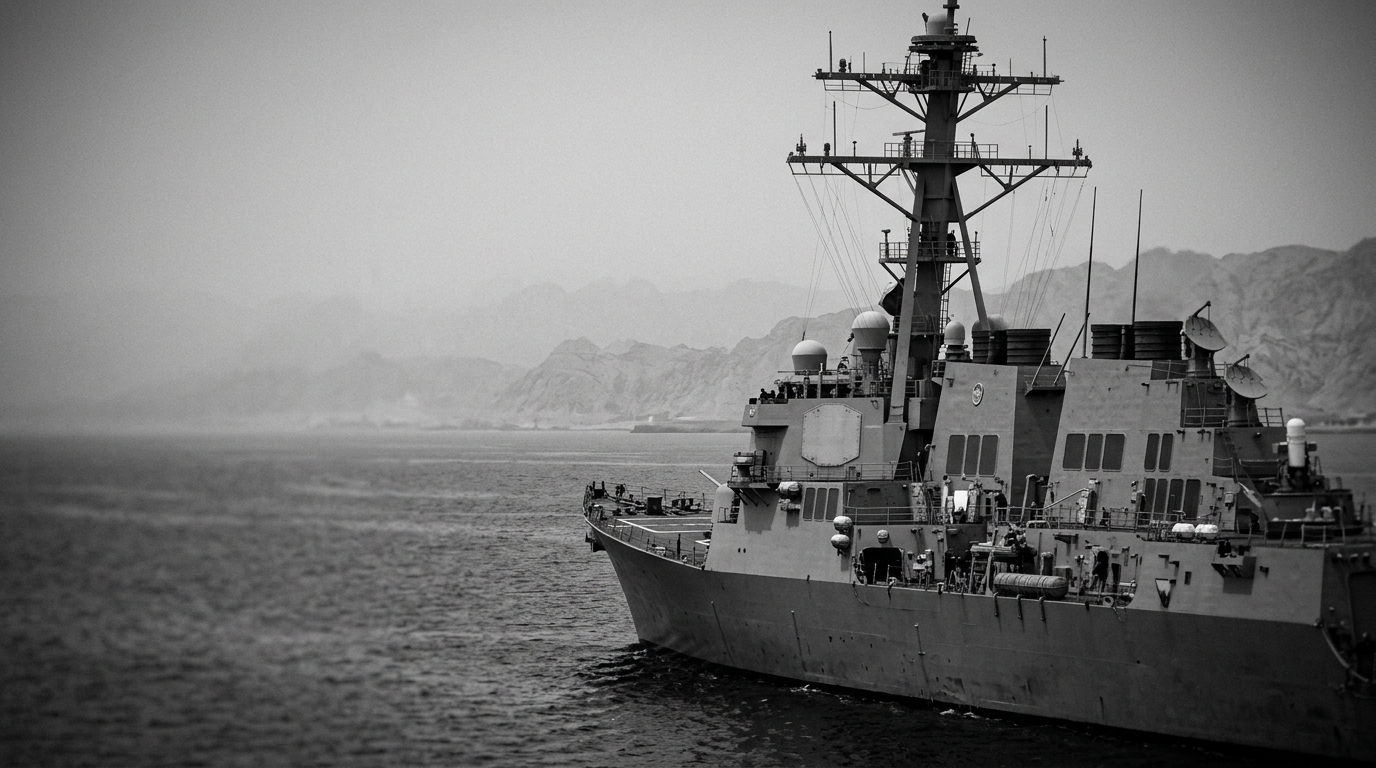
The United States says it will continue an open-ended naval blockade targeting Iranian ports and the Strait of Hormuz, despite rising domestic criticism over whether the mission can be sustained. Officials said enforcement will be maintained by cycling U.S. Navy ships through the region to keep the operation running.
Defense Secretary Pete Hegseth, speaking on August 14, 2026, said the United States will keep rotating vessels to uphold what the administration describes as maritime isolation of Iran. Separately, Treasury Secretary Scott Bessent said a new round of economic measures is being prepared, describing the planned steps as unprecedented sanctions expected to be announced next week.
Blockade policy continues as scrutiny grows
The administration’s position is that the naval effort will remain in place without a defined end date. Officials said the blockade is working as intended, even as questions intensify in Washington about readiness, logistics, and the cost to personnel of maintaining a high operational tempo.
The dispute also extends to the operational reality in the waterway itself. While U.S. officials maintain the enforcement effort is effective, the Persian Gulf Strait Authority continues to state that the Strait of Hormuz remains closed to traffic.
USS Abraham Lincoln reports raise personnel and safety questions Scrutiny has sharpened after reports described a personnel crisis aboard the USS Abraham Lincoln, characterized in those accounts as the mission’s flagship. According to the reports, the carrier has been at sea for nearly seven months without a port stop.
The United States
The same reports describe sailor burnout and deteriorating mental health conditions on board, alongside reports of suicide attempts. Those accounts have fueled questions about whether the current pace can be sustained without adding further risk to service members.
Congress presses the Pentagon as sanctions are promised
Senator Richard Blumenthal and other lawmakers have formally requested information from the Department of Defense about conditions linked to the deployment. Their inquiries focus on allegations of supply shortages, water contamination, and whether ships can realistically remain at sea under the present tempo.
In a separate political escalation, Senate Minority Leader Chuck Schumer called for Hegseth to be removed, citing reports of instability aboard ships and unverified claims of casualties circulating within the region. Officials have not confirmed those casualty claims in the information provided.
Near-term uncertainties include the scope of the sanctions Bessent said are expected next week and how the Department of Defense will respond to lawmakers’ questions on logistics, water safety, and personnel welfare. The administration, officials said, is continuing the mission as indefinite while facing intensifying political pressure at home.