US bans Chinese robots and connected inverters
US bans imports of next-generation robots and connected power inverters from China on July 29, 2026, citing national security and reshoring goals.
Mateo Fernandez ·
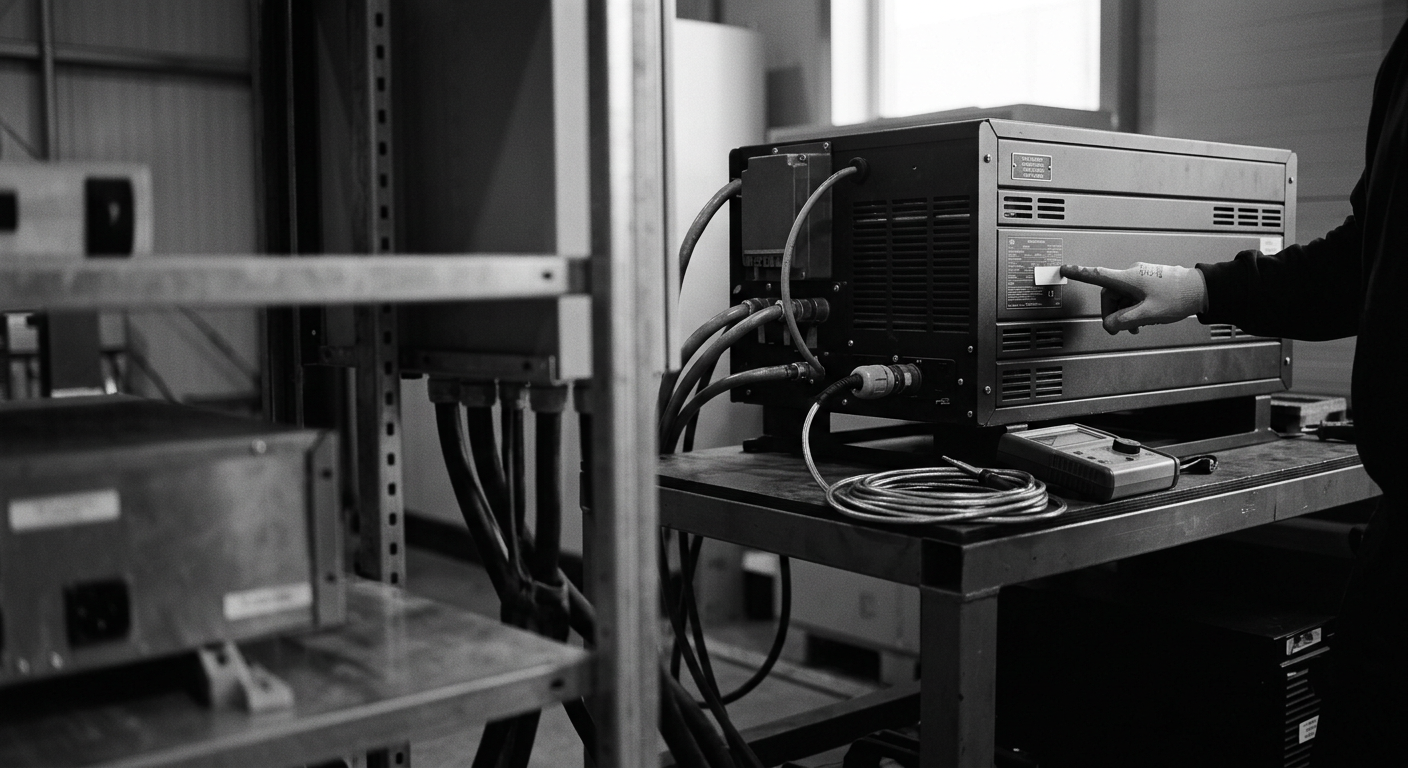
The Trump administration on July 29, 2026 announced a ban on US imports of next-generation robots and connected power inverters from China, officials said. The restrictions were presented as a national-security step aimed at protecting AI infrastructure and encouraging reshoring of advanced-technology manufacturing.
Officials said reactions from affected parties were still pending. They also indicated that additional implementing details are expected, including potential guidance on exemptions and how the policy will be applied in practice.
What the ban covers
According to officials
According to officials, the new restrictions apply to robotic platforms and associated grid-tied inverters that the administration views as dual-use components for AI and automation systems. The covered items were described as relevant to machine-learning training environments and industrial-control settings. Officials framed the measure as part of a broader effort to keep sensitive hardware from entering US networks. The administration also linked the policy to reducing reliance on foreign supply chains for advanced technology inputs. Who is affected and where pressure may show up Officials said the most immediate commercial effects are expected to fall on manufacturers and distributors that import robotic modules and power-electronics components from Chinese suppliers. Integrators that use those parts inside US facilities could also face near-term operational adjustments as sourcing plans are revisited.
Procurement teams and technology-sector investors are expected to Procurement teams and technology-sector investors are expected to focus on whether existing inventories can continue to be used or sold, and whether any exemptions will apply to shipments already in transit. Officials did not provide specific operational parameters in the announcement, leaving key questions tied to scope, documentation, and compliance steps unresolved.
Enforcement, guidance, and the timeline for clarity Officials said market and policy observers should watch for follow-up instructions from regulators, including how enforcement will be handled at ports and through customs processes. They indicated that trade groups and affected companies are likely to seek clarification on definitions, covered product classes, and any exemption procedures.
The administration signaled that implementing details and any exemption process could be published within two weeks. Officials pointed to August 12, 2026 as the date by which stakeholders should look for further guidance.
Until that guidance is released, uncertainty remains around enforcement mechanics and how broadly the dual-use rationale will be applied across robotics and power-electronics product lines, according to officials.