US arts commission approves gold coin stamped with Donald Trump’s face
The US Commission of Fine Arts approved a gold coin design featuring Donald Trump, sparking debate over depicting living presidents.
Lauren Collins ·
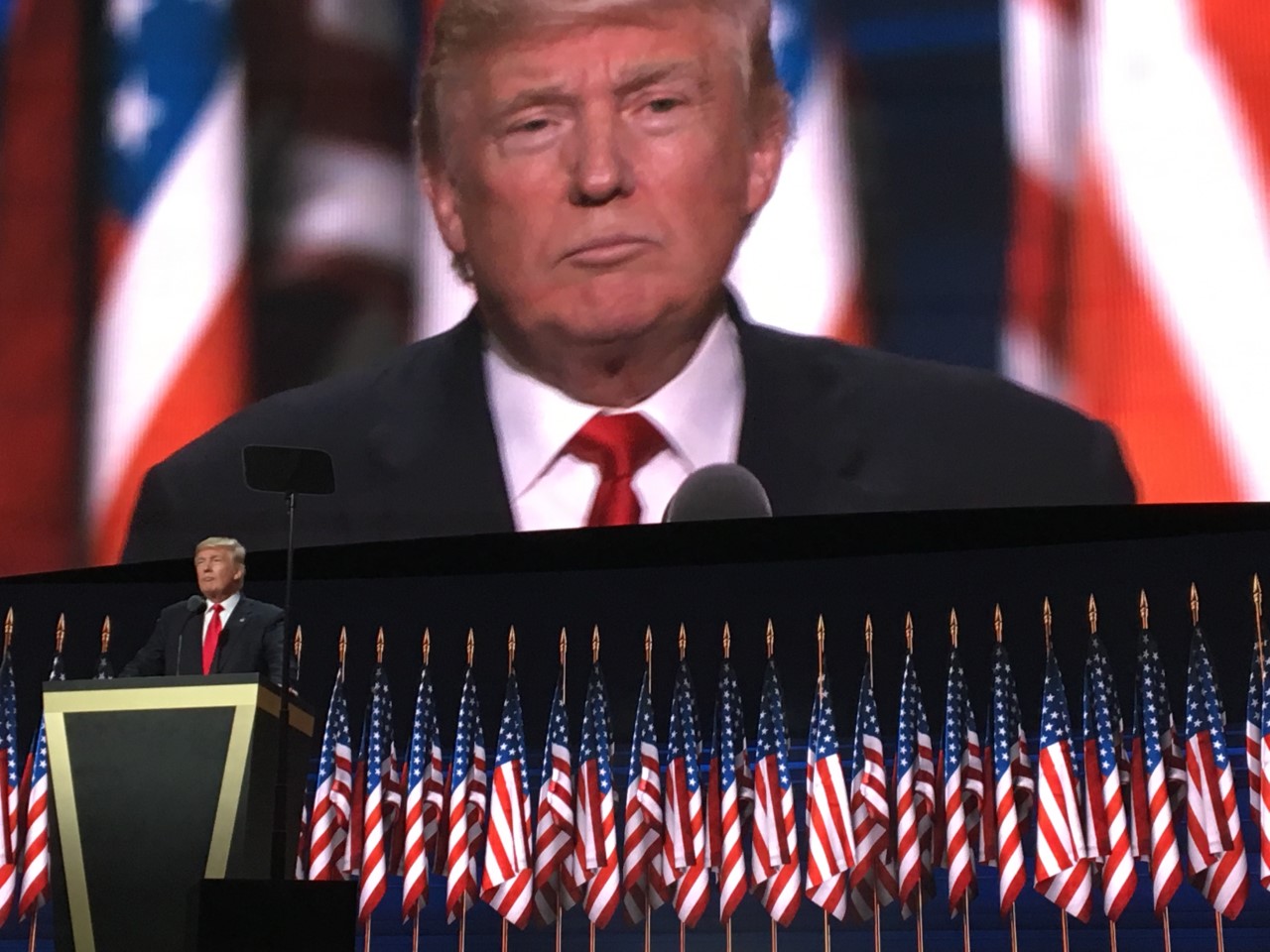
The United States Commission of Fine Arts recently approved a design for a commemorative gold coin featuring a portrait of former President Donald Trump. This decision, made by a federal agency, has sparked debate regarding the depiction of living presidents on U.S. coinage.
The proposed coin is intended to mark the nation's 250th anniversary and will not be part of general circulation. Proponents argue this distinction allows the design to proceed despite federal regulations that typically prohibit images of living presidents on currency.
Controversy Over Presidential Depiction
Critics, including Senator Jeff Merkley, have voiced strong opposition, labeling the initiative as both unlawful and inappropriate. They contend that such depictions are more characteristic of monarchical or dictatorial regimes than a democratic leader.
This is not the first time a Trump-themed coin has faced scrutiny. The Citizens Coinage Advisory Committee, a bipartisan federal panel, previously rejected similar proposals. Despite these objections, the minting process is expected to move forward.
Design Details and Approval
The gold coin's design includes a bald eagle on one side and a portrait of Donald Trump on the other. The presidential image is based on a photograph by Daniel Torok, sourced from the National Portrait Gallery.
According to Chamberlain Harris, an aide to the former president, the administration sought the largest possible coin size, potentially reaching 7.6 centimeters (three inches) in diameter. Megan Sullivan of the U.S. Mint's Office of Design Management confirmed that the design received personal approval from Trump himself.
Historical Context of US Coinage
Historically, U.S. currency has featured deceased presidents or allegorical figures. The tradition of depicting deceased presidents began with Abraham Lincoln on the penny in 1909. This practice aims to prevent the appearance of political endorsement or the veneration of a sitting leader, aligning with democratic principles.
Commemorative coins, while distinct from circulating currency, still adhere to certain guidelines. The debate surrounding this particular coin highlights the tension between historical precedent, artistic freedom, and political symbolism within federal institutions.
Implications for Future Commemorative Issues
The approval of this design could set a precedent for future commemorative issues, potentially influencing how federal agencies interpret regulations concerning presidential imagery. The controversy underscores ongoing discussions about the role of symbolism in national celebrations and the boundaries of executive influence on federal commissions.
The final production and distribution of the coin will likely continue to draw public and political attention, particularly given its association with a former president who remains a prominent figure in U.S. politics.
Implications
Country Impact: The decision sparks debate over federal law and the depiction of living presidents on commemorative items, potentially influencing future interpretations of coinage regulations. It also highlights political divisions regarding national symbolism.
Industry Impact: The U.S. Mint and associated federal arts commissions face scrutiny regarding their approval processes and adherence to historical precedents. This could lead to increased oversight or revised guidelines for commemorative coin designs.
Market Impact: While not a circulating currency, the coin's production could generate interest among collectors of presidential memorabilia. The controversy itself may also influence its perceived value and demand in secondary markets.