Mexican military says 11 killed in raid targeting Sinaloa cartel leader
Mexican authorities captured Sinaloa Cartel leader Omar Oswaldo Torres in Culiacan, resulting in 11 deaths, amid ongoing anti-crime efforts.
Lauren Collins ·
Mexican authorities successfully apprehended Omar Oswaldo Torres, a prominent leader within the Los Mayos faction of the Sinaloa Cartel, during an operation in Culiacan, Sinaloa, on September 19, 2024. The Mexican Navy reported that its personnel encountered armed resistance, leading to a confrontation where 11 individuals, identified as assailants, were killed. The operation also resulted in the seizure of high-powered weaponry and tactical gear.
Torres, known by the alias "El Patas," commands a faction that has been involved in ongoing conflicts with the rival Los Chapitos faction of the Sinaloa Cartel. This recent capture underscores the Mexican government's sustained efforts to dismantle organized crime networks and combat drug trafficking across the nation.
Mexican Anti-Cartel Operations Intensify
This incident is part of a broader series of anti-crime initiatives undertaken by Latin American governments. Earlier in September, Mexican authorities collaborated with Ecuador and Colombia in a joint operation that led to the arrest of Angel Esteban Aguilar, a leader of the Los Lobos criminal organization. Furthermore, a military operation in Jalisco the previous month resulted in the death of Nemesio Oseguera, who headed the Jalisco New Generation Cartel.
These actions reflect a strategy often referred to as a "decapitation strategy," which aims to weaken criminal organizations by targeting their leadership. Proponents of this approach believe it can disrupt operations and reduce the overall influence of cartels.
Regional and International Context
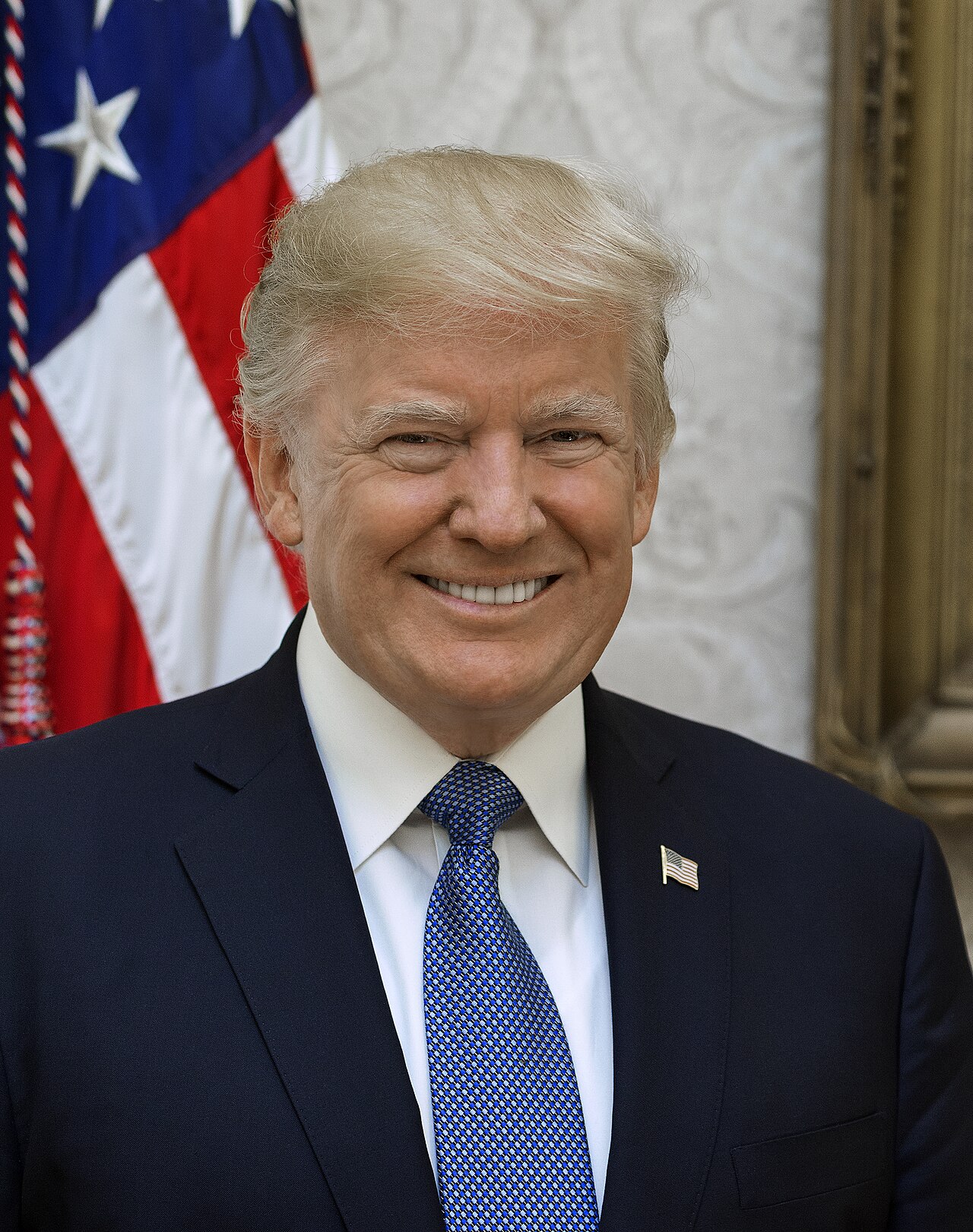
The United States, under President Donald Trump, has consistently emphasized the importance of addressing crime and drug trafficking in the region. President Trump has advocated for aggressive measures, including the potential designation of cartels as "foreign terrorist organizations" and has suggested military action within Mexico, characterizing the country as a central hub for cartel activities.
Conversely, Mexican officials have repeatedly urged the U.S. to address the flow of illegal firearms into Mexico. This concern was recently highlighted by a U.S. Supreme Court decision to dismiss a lawsuit against American gun manufacturers, a ruling that Mexican authorities view as hindering efforts to curb arms trafficking.
Debate Over Decapitation Strategy
While the targeting of cartel leaders can disrupt criminal networks, critics argue that this strategy may inadvertently escalate violence. The creation of power vacuums can lead to internal conflicts among factions vying for control, potentially increasing instability and bloodshed. Furthermore, critics contend that such an approach often fails to address the underlying socio-economic issues, such as corruption and poverty, that contribute to the proliferation of organized crime.
The ongoing struggle against cartels in Mexico remains a complex challenge with significant implications for regional security, economic stability, and international relations. The effectiveness of current strategies continues to be a subject of debate among policymakers and security experts.
Implications
Country Impact: Mexico's ongoing efforts against organized crime may see temporary disruptions to cartel operations, but the long-term impact on violence levels remains uncertain due to potential power vacuums. The government faces continued pressure to address both internal security and cross-border issues like arms trafficking.
Industry Impact: The illicit drug trade and associated criminal enterprises will likely experience shifts in leadership and operational structures. Industries indirectly affected by cartel violence, such as tourism and local commerce, could face continued instability or, conversely, benefit from perceived improvements in security.
Market Impact: While direct market impact is limited, sustained instability or significant cartel disruptions could influence investor confidence in Mexico. The peso's stability and foreign direct investment might be sensitive to perceptions of security and the effectiveness of government anti-crime initiatives.