US and Iran threaten energy and water facilities as investors brace for Monday shock
US-Iran threats on March 22, 2026 spotlight Hormuz risk, with investors watching for potential shocks to oil and broader markets.
Lauren Collins ·
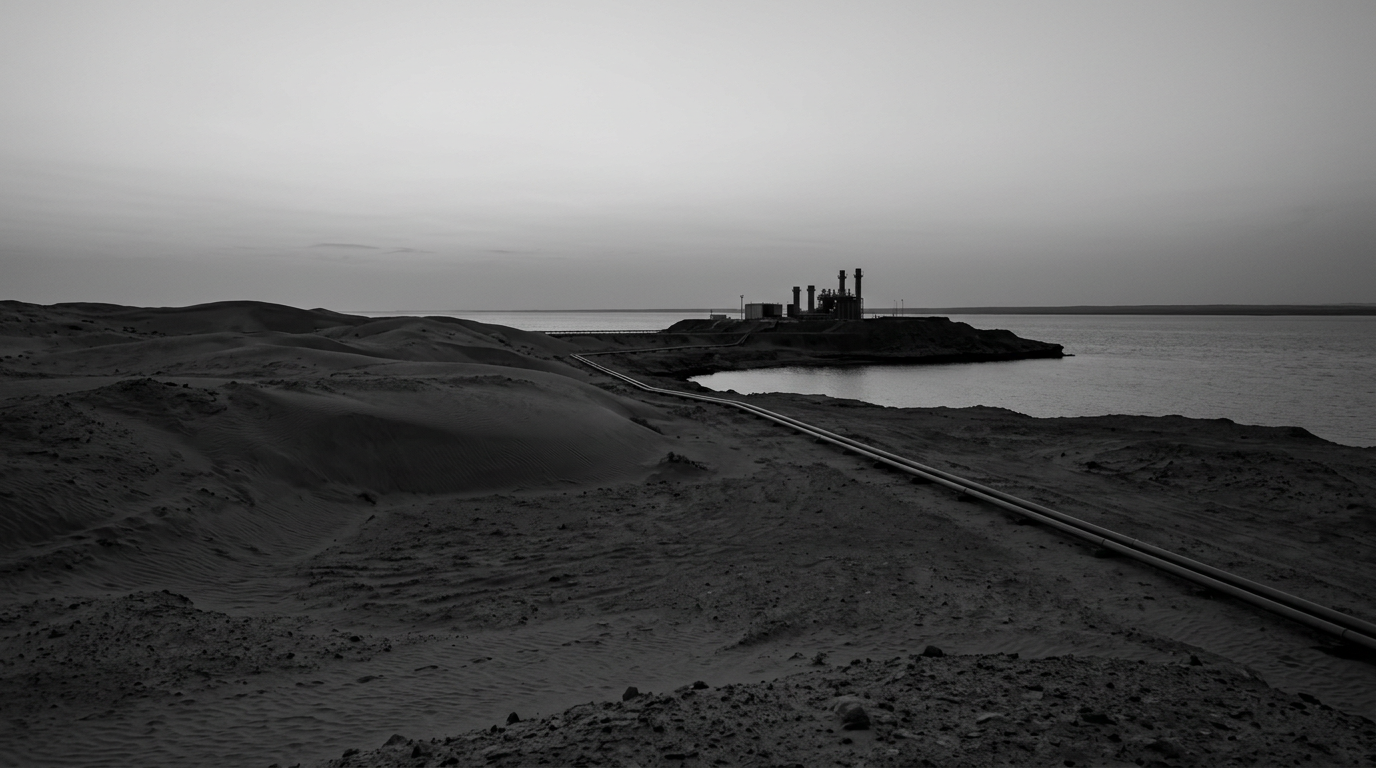
The United States and Iran have escalated rhetoric, threatening each other's critical energy and water infrastructure, sending global markets into a state of alert. The exchange, reported on March 22, 2026, intensifies an already volatile period for commodities and risk assets.
The Strait of Hormuz, a vital maritime chokepoint for oil shipments, remains central to these tensions, with potential disruptions there capable of rapidly impacting international prices.
Direct Threats Issued by Both Nations
U.S. President Donald Trump declared that Iranian energy facilities would be "obliterated" if the Strait of Hormuz is not reopened. This statement directly links the accessibility of the strategic waterway to potential military action against Iran's energy sector.
Tehran swiftly responded, warning of retaliation against U.S. energy and desalination sites. Iran's message expanded the scope of potential targets beyond oil and gas to include water infrastructure, which is crucial for civilian populations in arid regions.
Strait of Hormuz: A Global Chokepoint
The Strait of Hormuz is recognized as a strategic bottleneck for global oil transit. It frequently becomes a flashpoint during periods of heightened U.S.-Iran friction.
Any interruption, whether from blockades, attacks, or increased security risks, could disrupt physical supply chains and elevate insurance costs. Such events would have significant ripple effects on energy-importing economies worldwide.
Reuters described the recent exchange as part of a broader phase of elevated conflict, amplifying investor concerns about regional instability. Markets are now assessing not only the risk of supply disruptions but also the likelihood of direct strikes on infrastructure vital for regional production and essential services.
Implications for Energy, Water, and Geopolitics
Threats targeting energy facilities often lead to increased risk premiums for crude oil and refined products, particularly when linked to a major transit corridor. Furthermore, warnings concerning desalination sites underscore potential humanitarian risks, as water production is critical for population centers in dry environments.
For policymakers and corporations, this development highlights how quickly geopolitical tensions can shift from maritime access to the security of critical infrastructure. It also raises the stakes for regional stability, given that energy and water systems are fundamental to economic activity and public welfare.
Uncertainty Persists Amid Unconfirmed Reports
The current reports do not indicate any operational changes in the Strait of Hormuz, nor do they confirm attacks or damage to any facilities. The precise steps either side might take beyond public statements remain unclear.
Markets will closely monitor commodity prices, regional security developments, and any signs that the situation is moving from threats to active measures. Until clarity emerges regarding access through Hormuz and the security of key sites, elevated uncertainty is expected.
Kapsül Analysis
- What Happened? On March 22, 2026, the U.S. and Iran exchanged threats targeting each other’s critical infrastructure, including energy and water facilities. President Donald Trump vowed to "obliterate" Iranian energy sites if the Strait of Hormuz is not reopened, while Tehran threatened retaliation against U.S. energy and desalination facilities.
- Why It Matters: The Strait of Hormuz is a crucial chokepoint for global oil shipments; any disruption risks immediate impacts on global energy prices. Threats against desalination and water systems introduce potential civilian and humanitarian crises alongside economic risks. Infrastructure-focused threats heighten uncertainty for investors and firms in energy and shipping sectors.
- Market & Political Impact: Markets face potential elevated risk premiums for commodities, especially oil, as investors assess disruption probabilities. Higher energy costs, if realized, could affect inflation and growth expectations, influencing policy decisions. Any disruption in Hormuz would have cross-border effects on energy trade routes and supply-chain reliability.
- What to Watch: Monitor for any confirmed changes in access, security posture, or shipping conditions in the Strait of Hormuz. Observe official follow-up statements that might clarify red lines, timelines, or de-escalation efforts. Watch for signals of infrastructure protection measures around energy and desalination facilities.
- Source Status: Single-source.
- Confidence Level: Medium. The reported statements are specific, but operational conditions and next steps are not confirmed.
- Country Impact: For the United States and Iran, the exchange elevates political and security stakes by linking maritime access and infrastructure safety to public red lines. The mention of desalination sites highlights potential domestic resilience concerns if essential services are affected.
- Industry Impact: Energy producers, shippers, and insurers face increased uncertainty as threats target both production assets and a key transit corridor. Water infrastructure operators and contractors may also face heightened risk scrutiny due to the explicit mention of desalination facilities.
- Market Impact: Global markets will likely focus on oil and related commodities due to the Strait of Hormuz's central role in international shipments. Even without confirmed disruption, the rhetoric could increase risk premiums and volatility as investors reassess geopolitical tail risks.