Trump threatens attacks on Iranian power plants if Tehran fails to open the Strait of Hormuz
Donald Trump threatened Iranian power plants on March 21, 2026, linking action to Strait of Hormuz access amid regional tensions.
Lauren Collins ·
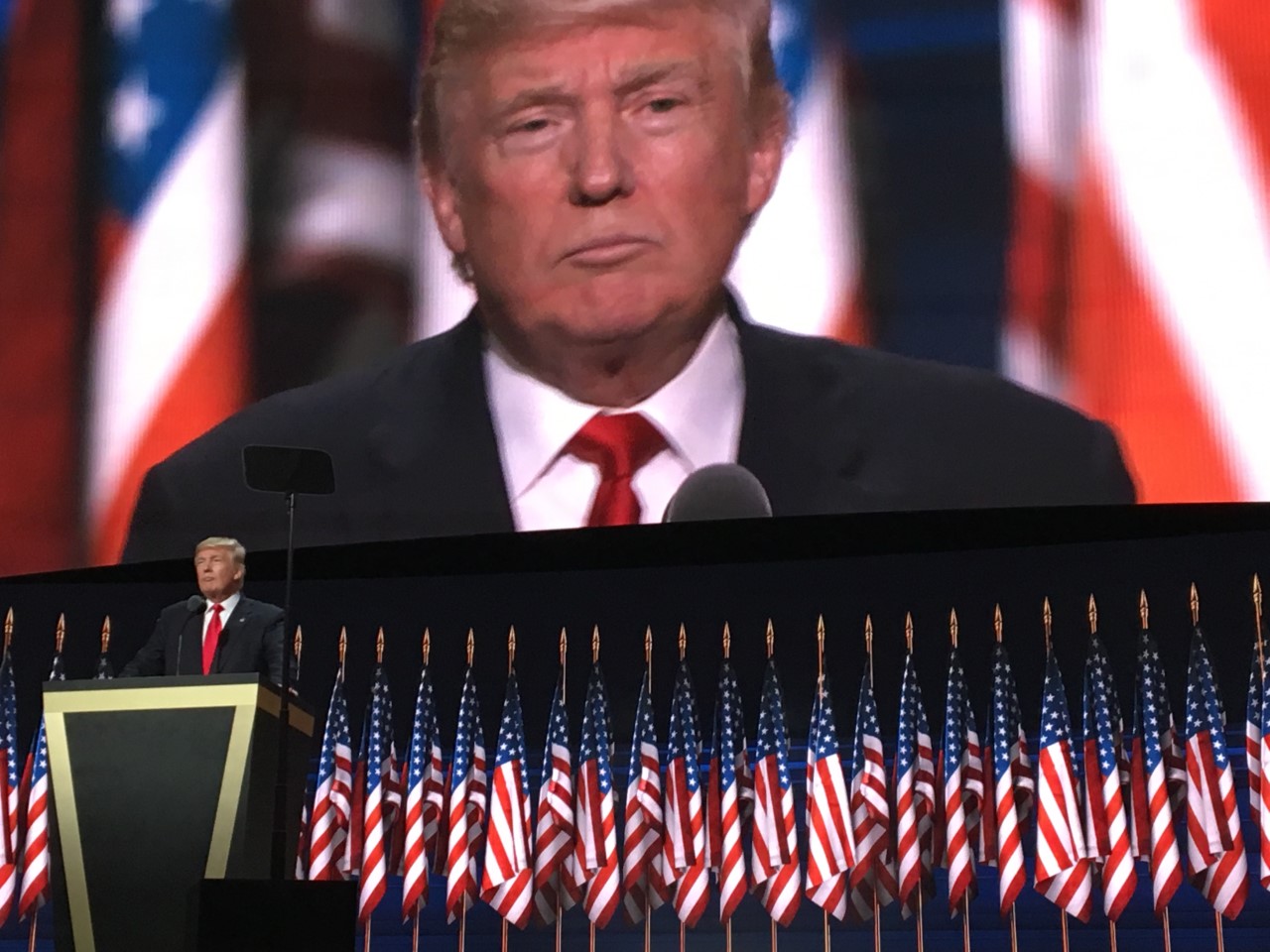
Former U.S. President Donald Trump has issued a warning regarding potential military action against Iranian power infrastructure. The statement, made on March 21, 2026, suggests a significant escalation in rhetoric concerning the long-standing geopolitical friction between the United States and Iran. This development follows recent Iranian military actions in the vicinity of an Israeli nuclear research facility.
Escalating Regional Dynamics
Trump's remarks specifically linked any potential U.S. response to Iran's actions concerning the Strait of Hormuz. He indicated that if Tehran were to impede maritime traffic through this critical chokepoint, it could provoke a severe reaction targeting Iranian power generation capabilities. The Strait of Hormuz is a vital global shipping lane for oil and gas.
This threat emerges against a backdrop of heightened instability across the Middle East. Recent Iranian strikes near Israel's Dimona nuclear research center have further exacerbated regional anxieties, drawing international attention to the potential for broader conflict. The precise nature and intent of these Iranian actions remain subjects of intense scrutiny by international observers.
Historical Context of Tensions
The relationship between the United States and Iran has been characterized by periods of intense hostility, particularly since the 1979 Iranian Revolution. Key flashpoints have included Iran's nuclear program, its regional influence, and its interactions with international shipping. The Strait of Hormuz, through which approximately one-fifth of the world's oil supply passes, has frequently been a focal point of these tensions.
Previous U.S. administrations have also engaged in confrontational rhetoric and actions concerning Iran, including economic sanctions and military posturing. Trump's current statement aligns with a more assertive foreign policy stance he has historically adopted towards Tehran, emphasizing a willingness to consider direct military options.
Implications for Global Energy and Security
The prospect of attacks on Iranian infrastructure carries significant implications for global energy markets. Any disruption to Iran's energy sector or the Strait of Hormuz could lead to substantial increases in oil prices and create widespread economic instability. International shipping and trade routes would also face severe risks.
Furthermore, such actions could trigger a broader regional conflict, drawing in other major powers and non-state actors. The international community is closely monitoring these developments, with diplomatic efforts often focused on de-escalation and maintaining stability in the Persian Gulf. The potential for miscalculation on either side remains a critical concern for global security analysts.
Outlook on Future Actions
Observers are now watching for further statements from both U.S. and Iranian officials, as well as any shifts in military deployments or diplomatic engagements. The immediate future will likely involve intense diplomatic maneuvering aimed at preventing an escalation, while both sides assess the credibility and implications of these recent threats. The stability of the Middle East hinges on careful navigation of these complex geopolitical dynamics.
Implications
Country Impact: The United States and Iran face heightened diplomatic and military tensions, potentially leading to direct confrontation. Regional allies and adversaries would likely be drawn into any escalating conflict, impacting their security postures and economic stability.
Industry Impact: The global energy sector, particularly oil and gas, would experience significant volatility. Disruptions to shipping lanes like the Strait of Hormuz could lead to supply chain issues and increased costs for various industries reliant on international trade.
Market Impact: Global financial markets, including equities, bonds, and commodities, would likely react negatively to increased geopolitical risk. Oil prices would surge, and investor confidence could decline, leading to broader economic uncertainty.